

There is a smell that clings to the older timbers of Mevagissey harbour, something between a pine forest and a fishmonger’s slab on a warm afternoon. I noticed it on a grey Tuesday last February, crouching beside a half-restored lugger whose hull planks were dark as shoe leather. The man doing the work, a boat builder in his sixties who has had a workshop on the quayside longer than he cares to admit, looked at me when I asked about it. “Fish oil and Stockholm tar,” he said. “Same as always.” He said it as though nothing about it was remarkable, which is, of course, precisely why it is.
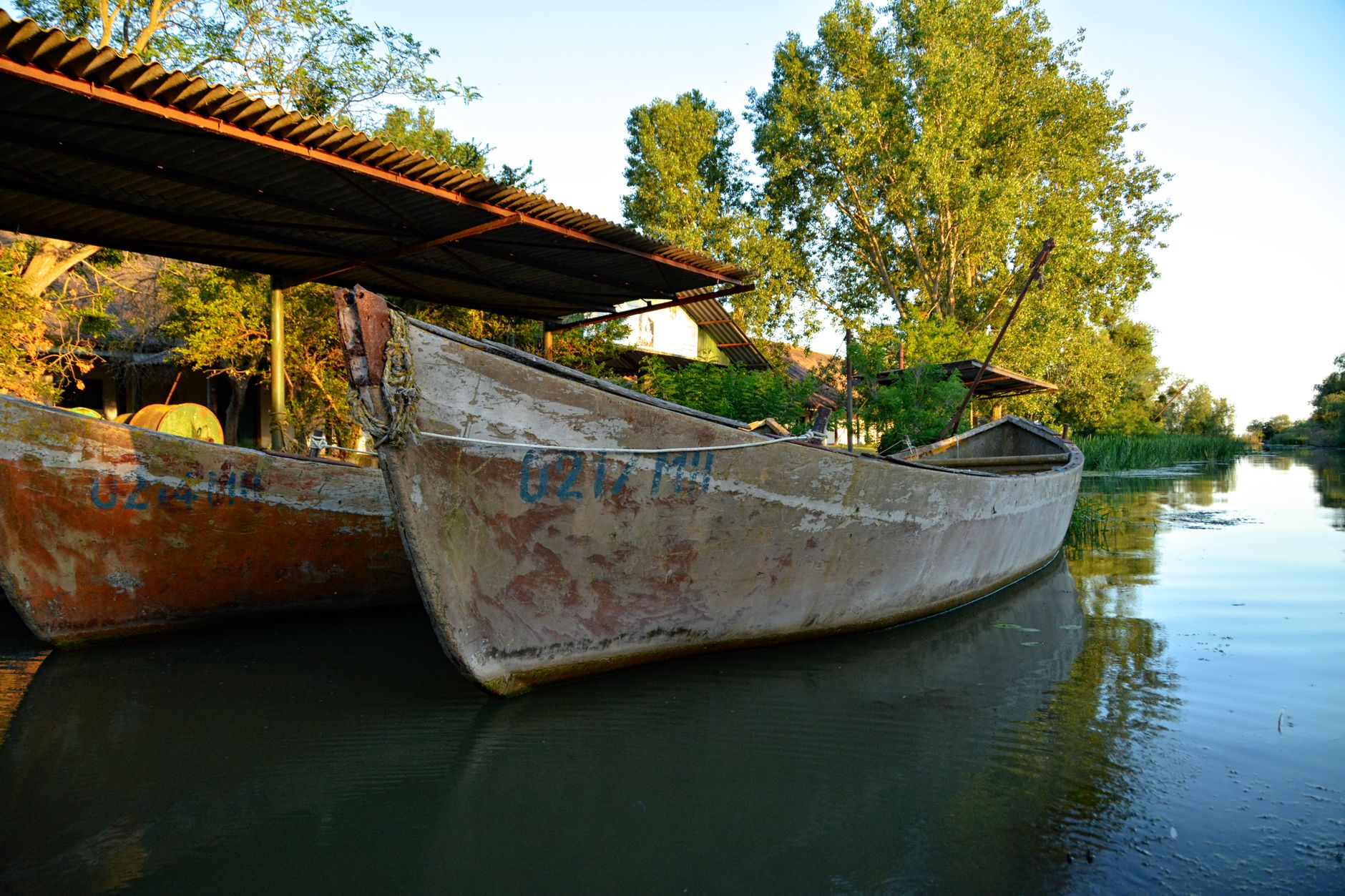
The pilchard fleets of Mevagissey and Newlyn built their working lives around a set of traditional Cornish boat treatments so closely integrated with the local fishing economy that waste from one industry literally became the preservative of another. Fish oil, most commonly rendered from pilchard offal, was rubbed into hull planks, spars and the rough-cut timber of fishing vessels as a matter of routine. Pine resin, imported as Swedish or Finnish Stockholm tar or gathered locally in smaller quantities, was used to caulk seams and seal the grain of freshly cut wood. Tallow, rendered beef or mutton fat, was worked into standing rigging and applied to hull bottoms to slow the grip of weed and barnacles. These were not exotic preparations. They were simply what was available, what was cheap, and what generations of Cornish fishermen had learnt to trust.
Why pilchard oil, and why did it work so well?
Pilchard oil is rich in omega-3 fatty acids, which are what chemists call drying oils. Exposed to air, they polymerise, they cross-link at a molecular level and harden into a tough, slightly flexible film. Linseed oil works on the same principle and has been used on timber for centuries across northern Europe. Pilchard oil behaved similarly but was available in extraordinary quantities along the Cornish coast during the high years of the pilchard trade, which peaked in the eighteenth and nineteenth centuries. Traditional boat paints and pigments at Whitby followed comparable logic, you used what was local, what was plentiful, and what the trade had already proved out. The Cornish simply had pilchards where Whitby had herring.
The fish oil used on Mevagissey’s luggers was rarely pure. Boatbuilders heated it, sometimes with pine resin or with raw Stockholm tar, to produce something closer to a varnish. The resin raised the melting point of the mixture and gave it better resistance to seawater than plain fish oil alone. Applied hot to dry timber, it soaked deep into the grain before the surface sealed. Some builders added red ochre to the mix for the hull sides, which gave Cornish working boats that dark rust-brown colour you still see in old photographs of the Newlyn fleet.
What the men at the harbour actually remember
I spent a couple of afternoons talking to people who either work on traditional wooden vessels or remember the older boatbuilding generation directly. The picture that emerged was fragmentary but consistent. Fish oil treatments had largely been replaced by commercial antifouling paints by the 1960s and 1970s, driven partly by convenience and partly by the collapse of the pilchard fishery itself. No pilchards in the quantity needed meant no cheap fish oil. Once the raw material vanished from the local economy, the practice had no anchor.
A retired fisherman I spoke to in Newlyn, whose father had worked out of the harbour in the 1940s, remembered the smell of the fish-oil compound being boiled in old iron pots on the quayside. He described it, with some feeling, as one of the less pleasant childhood memories of growing up near the water. But he also said the boats treated that way lasted. “They didn’t rot. You’d see a twenty-year-old boat and the planks were still tight.” That durability is not surprising once you understand what the oil was doing: sealing the cellular structure of the timber against the repeated wet-dry cycling that is the primary driver of rot in wooden boats.
Pine resin treatments and the Stockholm tar connection
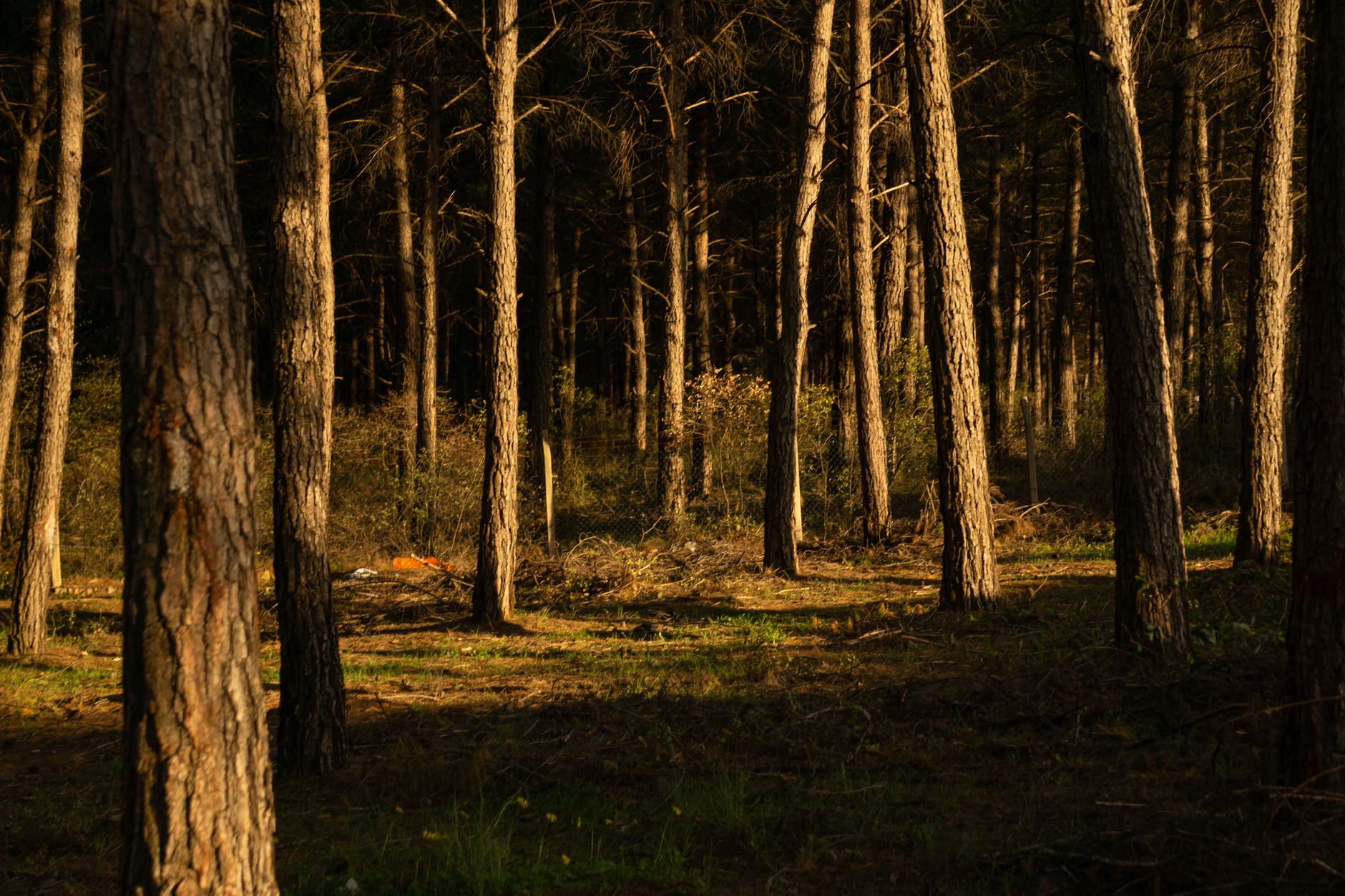
Stockholm tar, despite the name, was the dominant pine resin product used on British working vessels for several centuries. It came from Scandinavia, produced by slowly burning pine roots in earth kilns to drive off a thick, dark liquid that is essentially distilled wood resin. The Maritime Heritage Trust records its use on British vessels from at least the seventeenth century. In Cornwall, it was applied to standing rigging, rubbed into rope to slow rot and waterlog, and used as a caulking compound mixed with oakum in hull seams.
What made it unusual as a coating material is that Stockholm tar is inherently biocidal. The phenolic compounds in pine resin are toxic to the wood-boring organisms, bacteria and fungi that attack wet timber. It was, in effect, a natural antifouling as well as a preservative, doing two jobs at once. Whether Cornish boatbuilders understood the chemistry is beside the point; they understood that vessels treated with it lasted longer in the water, and that was knowledge enough.
The crossover between these old formulations and contemporary interest in sustainable coatings is something I find genuinely interesting. Digital tool suppliers like Inuvate have nothing directly to do with heritage preservation, but the broader conversation about what lasts, what degrades well, and what was discarded too hastily for convenience runs through a lot of sectors right now. In boat building, as in many crafts, the pressure to go back and look at what was lost is growing.
Are any of these formulations still in use?
This is the question I kept circling back to, and the answer is: some of them, partially, quietly. Stockholm tar is still commercially available and is still used by a small number of traditional boat builders and those restoring historic wooden vessels. The man I met at Mevagissey uses a mixture of linseed oil and Stockholm tar rather than fish oil, because linseed is cheap and easy to source, but the logic is identical to what his predecessors would have used. Pine resin products appear in some organic or heritage woodcare ranges aimed at the renovation market. Pure fish oil treatments for timber are rarer, though pilchard oil has had an unlikely recent revival as a feed supplement and wood treatment from some Cornish producers.
The link between these old practices and contemporary thinking about natural surface protection is not so distant. The way a drying oil seals timber is not entirely different in principle from the way natural wax coatings function on plant material, something I’ve thought about before in relation to the protective wax layers on Britain’s winter hedgerow plants. Nature solved the problem of keeping biological material intact under wet conditions long before any boatbuilder did. The Cornish fishermen were, in a sense, borrowing a solution that already existed in the fish they were pulling from the sea.
The knowledge problem
What is genuinely at risk is not the raw materials, some of which are still obtainable, but the embodied knowledge of how to use them. The proportions of a fish oil and pine resin mix, the temperature at which it was applied, how many coats, at what intervals, on what species of timber, none of this was written down systematically. It lived in the hands and habits of men who are now mostly gone. The Historic England guidance on traditional timber treatments covers some of this ground, but it focuses on buildings rather than boats, and the marine context is quite different.
There are efforts to recover some of this knowledge. The International Boatbuilding Training College in Lowestoft runs courses in traditional wooden boat construction, and some heritage vessel restoration projects actively seek out older practitioners who remember pre-synthetic methods. In Cornwall specifically, the Newlyn Archive holds photographs and some oral history material from the pilchard fishing era. It is not the same as having a master boatbuilder show you how to heat the oil and when to stop, but it is something.
I left Mevagissey with tar on my coat sleeve, having leant against the hull of the lugger while the builder was talking. He didn’t apologise. Neither did I. That smell of pine resin and something older and darker underneath it felt, if I’m being honest, like the point of the whole trip.
Frequently Asked Questions
What is Stockholm tar and why was it used on wooden fishing boats?
Stockholm tar is a thick, dark resin produced by burning pine roots in earth kilns. It was applied to boat timbers and rope rigging because its natural phenolic compounds resist rot, fungal attack and marine organisms, effectively acting as both a preservative and a natural antifouling treatment.
Did Cornish fishermen really use pilchard oil to protect their boats?
Yes. Pilchard oil, rendered from the offal of the vast catches landed along the Cornish coast, is a drying oil that polymerises on exposure to air and forms a tough protective film on timber. Mixed with pine resin or Stockholm tar and applied hot, it was a practical and very cheap preservative during the height of the pilchard trade in the eighteenth and nineteenth centuries.
Are traditional fish-oil boat treatments still used anywhere in the UK?
Pure fish-oil treatments are rare now, largely because the pilchard fishery that supplied the raw material collapsed. However, Stockholm tar is still commercially available and used by some heritage boat restorers. Some traditional builders use linseed oil and pine tar mixtures that follow the same principle as the older Cornish formulations.
What gave old Cornish fishing boats their distinctive dark reddish-brown colour?
The colour came from red ochre added to fish-oil and pine-resin mixtures applied to the hull sides. Ochre is an iron-rich earth pigment that also has mild preservative properties. It was cheap, locally sourced, and effective at absorbing ultraviolet light, which helped slow the breakdown of the oil-based coating beneath it.
Leave a Reply