Category: The World

  • Ice Climbing and the Physics of Frost: What Natural Ice Coatings Teach Us About Extreme Environments

    Ice Climbing and the Physics of Frost: What Natural Ice Coatings Teach Us About Extreme Environments

    There is a moment, well known to anyone who has stood beneath a frozen waterfall in the Scottish Highlands or the French Alps, when you stop thinking about technique and simply stare. The ice above you is not a solid block. It breathes. Light passes through it in layers, blue deepening to white, white cracking open into clear glass, the whole surface alive with texture and movement, even in stillness. This is ice as a coating on rock: one of the most complex, dynamic, and frankly astonishing natural surface phenomena on earth. And for those of us who spend time outdoors in cold climates, it raises questions that go far beyond the practical matter of where to swing an axe.

    Ice climbing has grown steadily as a pursuit in Britain over the past two decades. Scotland’s Cairngorms and Glencoe offer some of the finest winter routes in Europe, routes like Indicator Wall on Ben Nevis or the notorious ice smears of Creag Meagaidh, where a single pitch can reveal more about the behaviour of ice coating extreme environments than any laboratory experiment. Guides and climbers have learnt to read ice the way a sailor reads water: its colour, its porosity, its temperature gradient, its age. That reading matters because ice, on a rock face, is never uniform and never still.

    Ice climber beneath a frozen waterfall in the Scottish Highlands, illustrating ice coating extreme environments on rock faces
    Ice climber beneath a frozen waterfall in the Scottish Highlands, illustrating ice coating extreme environments on rock faces

    How Ice Actually Forms on Rock: It Is Not What You Think

    Most people picture ice as water that has simply frozen. On a rock face, the process is far stranger. A frozen waterfall begins not as a cascade that stops mid-flow, but as a slow accumulation of layers, each one deposited under slightly different conditions of temperature, humidity, and water chemistry. The first ice to form on cold rock is often a thin, transparent glaze called verglas, a word borrowed from French mountaineering. Verglas forms when supercooled water droplets, often from mist or drizzle, contact a surface below 0°C and freeze almost instantly. It is one of the most treacherous ice coating extreme environments can produce: nearly invisible, fantastically slippery, and bonded directly to the mineral surface beneath.

    Beneath verglas, the rock itself is doing something interesting. Stone is not a perfect insulator. Granite, for instance, conducts heat at around 2.5 watts per metre per kelvin. In the depths of a Scottish winter, the rock face acts as a slow drain on any thermal energy remaining in the ice above it, pulling temperature down through the coating layer by layer. This thermal gradient means that ice at the surface of a frozen waterfall is often colder and more brittle than ice closer to the rock. Climbers know this. They know that the glassy blue ice near the centre of a pillar, further from the cold air, is often stronger and more trustworthy than the sugary, aerated ice at the edges.

    The Living Layers: What Ice Structure Tells Us About Coating Science

    A mature ice formation on a cliff, viewed in cross-section, looks remarkably like a painted surface examined under a microscope. There are distinct strata. At the base, where water trickled and refroze in the earliest frosts of autumn, you find dense, clear ice, sometimes called black ice by climbers because of its near-transparency against dark rock. Above that, layers of progressively more aerated ice, each one a record of a different weather event: a thaw, a fresh freeze, a period of hoarfrost deposition, a spindrift avalanche that plastered fine snow crystals into the existing surface.

    Hoarfrost itself deserves a moment. When water vapour passes directly from gas to solid without ever becoming liquid, it deposits as ice crystals with an extraordinary feathery structure. On a rock face, hoarfrost creates a surface coating that looks delicate and ornamental but is actually remarkably insulating. The air trapped within its crystal lattice reduces thermal conductivity dramatically. This is the same principle that makes aerogel so effective as an insulating material, except that hoarfrost builds it spontaneously overnight from nothing but cold air and moisture. Ice coating extreme environments teaches us, again and again, that nature arrives at clever solutions without being asked.

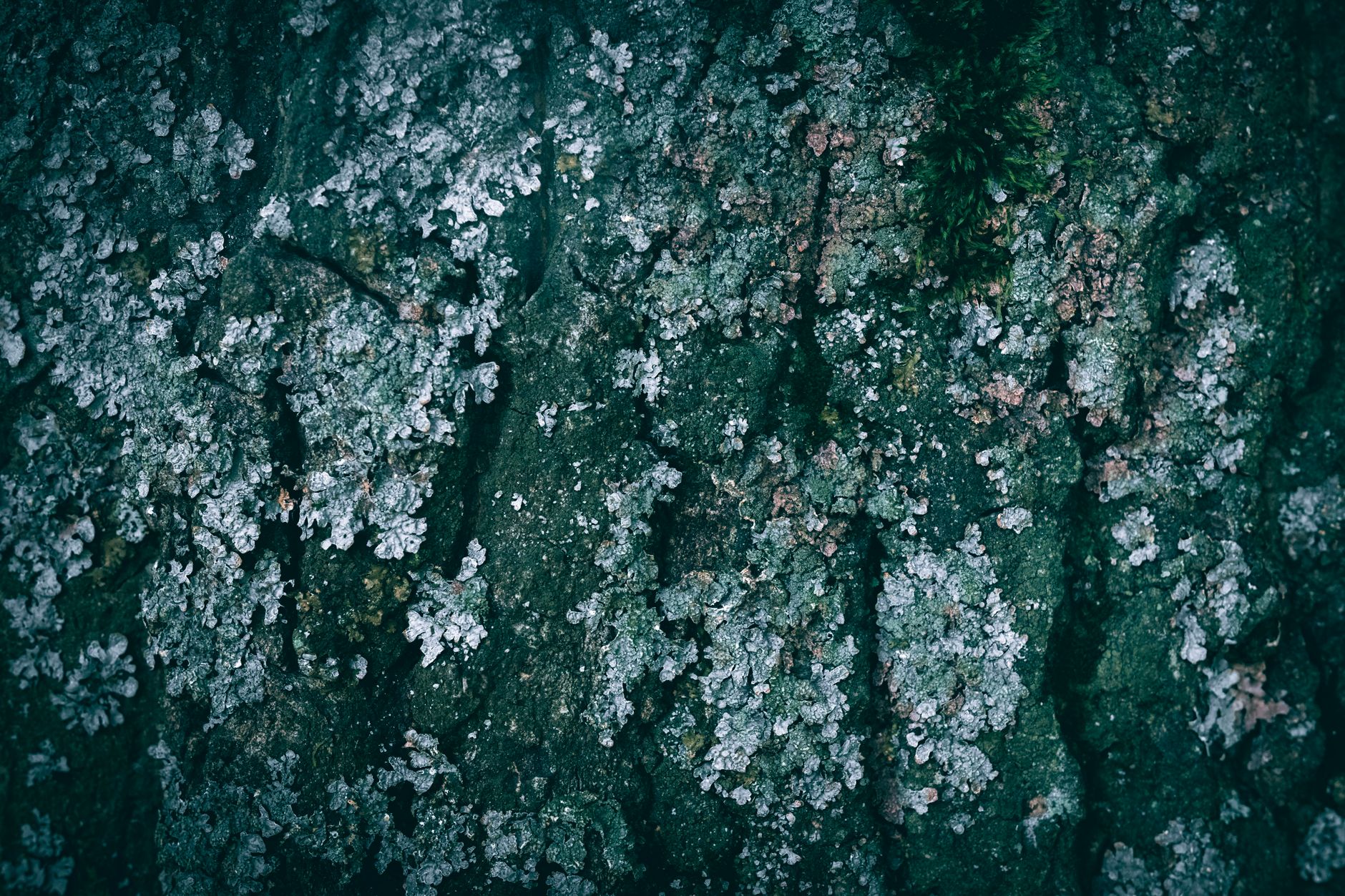
    Close-up of layered natural ice coating on a rock face showing the complex structure of ice coating extreme environments
    Close-up of layered natural ice coating on a rock face showing the complex structure of ice coating extreme environments

    What Ice Climbing Reveals About Adhesion and Failure

    Ask any experienced ice climber what they fear most and they will not say falling. They will say dinner-plating. This is the phenomenon where an ice axe strike causes a large disc of surface ice to shear off the underlying layer, like a plate flying from a shelf. The sound is distinctive: a hollow, resonant crack, followed by the unsettling sight of a half-metre disc of ice spinning away into the void. Dinner-plating is a mechanical failure at the adhesion boundary between two ice layers, and it happens when a surface layer has bonded poorly to the one beneath, usually because it formed during a brief thaw and refroze before the interface could integrate properly.

    This is directly analogous to problems that affect protective coatings on buildings and structures. Any coating that forms over a contaminated or improperly prepared surface risks delamination under stress. The physics are identical: poor interfacial bonding, stress concentration at the boundary layer, catastrophic shear failure. Nature demonstrates the consequence with particular drama on a vertical ice wall at minus ten degrees Celsius. Materials scientists and coating engineers study these failure modes carefully; what ice does naturally on rock faces provides a controlled, visible model that is hard to replicate in a laboratory.

    The British Mountaineering Council has published guidance on understanding ice conditions for winter climbing, and it makes for surprisingly technical reading, covering everything from ice crystal structure to the effect of solar radiation on south-facing gullies. You can find useful resources on winter conditions and safety at the British Mountaineering Council website, which offers a wealth of practical information for anyone heading into the hills in winter.

    Rime Ice, Cauliflower Ice, and the Shapes That Cold Air Sculpts

    In truly exposed positions, above around 900 metres in Scotland or on any wind-blasted ridge in the Lake District, ice takes on a completely different character. Rime ice forms when supercooled water droplets carried in cloud or freezing fog strike a surface and solidify on contact. Unlike the layered ice of a waterfall, rime builds outwards, against the wind, forming spiky fingers and cauliflower-shaped growths that can add dozens of centimetres of thickness to fence posts, cairns, and cliff edges overnight.

    I have stood on the summit plateau of Cairn Gorm after a night of freezing cloud and seen fence posts transformed into white sculptures half a metre wide, pointing directly into the wind like accusatory fingers. The rime ice coating extreme environments create up there is extraordinary: pale, opaque, surprisingly light, yet bonded ferociously to the metal or stone beneath. Its insulating properties are remarkable. The air content in rime can exceed fifty percent by volume, making it one of the most effective natural thermal barriers found anywhere in the terrestrial environment.

    The Seasonal Death of Ice: Thaw as a Destructive Coating Event

    All of this ice, eventually, comes down. The thaw in a Scottish corrie in late February is not a gentle process. As temperatures rise, meltwater percolates into cracks in the ice layers, the same cracks that formed during cold snaps and freeze-thaw cycles. Water is peculiar in that it expands by roughly nine percent when it freezes, a property that makes it a uniquely powerful wedge. Where meltwater refreezes in a fracture, it levers the ice apart with a force that can shatter rock, let alone ice. Large sections of frozen waterfall detach and fall, sometimes carrying fragments of the rock face with them.

    The aftermath reveals something worth pausing over. The rock beneath a season’s worth of ice coating is often noticeably altered. Fine particles have been prised from the surface, edges sharpened, micro-channels deepened. Ice, over centuries, is one of the primary architects of the landscapes we walk through. The Cairngorms plateau, the U-shaped valleys of Snowdonia, the cirques of the Lake District, all of them shaped by this patient, violent, beautiful process: water finding a surface, coating it, expanding, withdrawing, and beginning again.

    That cycle, repeated endlessly across millions of winters, is arguably the most consequential natural coating process in Britain’s entire geological story. Ice does not merely sit on rock. It works it, transforms it, and ultimately defines it. For those of us who spend time in the hills, that knowledge sits quietly beneath every step on a frozen path or every swing of an axe into a winter gully. The ice is not a barrier between us and the mountain. It is the mountain, caught mid-sentence.

    Frequently Asked Questions

    What makes ice on a rock face different from ordinary ice?

    Ice on a rock face forms in distinct layers over time, each one reflecting different weather conditions, temperatures, and water chemistry. Unlike ice in a freezer, it contains air pockets, mineral impurities, and structural boundaries between layers, making it a genuinely complex, multi-layered natural coating rather than a uniform solid.

    Where can you go ice climbing in the UK?

    Scotland offers the best ice climbing in the UK, with classic routes on Ben Nevis, Creag Meagaidh, and in Glencoe and the Cairngorms. The season typically runs from December to March, depending on conditions. The Lake District and Snowdonia occasionally offer shorter ice routes in colder winters.

    What is verglas and why is it so dangerous?

    Verglas is a thin, transparent layer of ice that forms when supercooled water droplets freeze almost instantly on contact with cold rock. It is dangerous because it is nearly invisible against stone, extremely slippery, and provides almost no purchase for boots or climbing equipment. It is one of the most unpredictable ice coating extreme environments produce.

    How does ice damage rock over time?

    Water expands by roughly nine percent when it freezes, so meltwater that seeps into rock cracks and then refreezes exerts enormous pressure on the surrounding stone. Repeated freeze-thaw cycles slowly prize rock apart, a process called frost shattering or cryofracture. Over thousands of years, this process has sculpted much of Britain’s upland landscape.

    What is hoarfrost and how does it form?

    Hoarfrost forms when water vapour converts directly to ice crystals without first becoming liquid, a process called deposition. It creates delicate, feathery crystal structures on cold surfaces and is highly effective as a natural insulating layer due to the large volume of air trapped within its crystal lattice. It typically forms overnight when temperatures drop rapidly in calm, humid conditions.

  • Biofilms: The Slippery, Stubborn, Strangely Beautiful Coatings Taking Over the World’s Rivers

    Biofilms: The Slippery, Stubborn, Strangely Beautiful Coatings Taking Over the World’s Rivers

    Wade into any British river and within seconds your boots will find a stone that tries to throw you flat on your back. That treacherous slick is not mud, not algae in the way most people picture it, and not some sign that the river is unhealthy. It is a biofilm: one of the oldest, most sophisticated, and frankly most underappreciated coatings on the planet. I have gone over on the River Wye more than once learning this lesson the hard way.

    A biofilm is a community of microorganisms, mostly bacteria but often fungi, algae, and protozoa too, that bond together and anchor themselves to a surface using a self-produced matrix of sugars and proteins. Think of it as a city rather than a crowd. Each resident has a role, the structure has districts and communication channels, and the whole thing is astonishingly resistant to the forces that would wipe out any single organism trying to go it alone. The biofilm natural river coating you find on a submerged pebble in a Yorkshire beck is not an accident of nature. It is an engineering marvel built over billions of years of trial and error.

    Sunlit river stones covered in biofilm natural river coating on a clear British chalk stream
    Sunlit river stones covered in biofilm natural river coating on a clear British chalk stream

    Why river stones are coated in living architecture

    When water flows over bare rock, the first thing that happens is not dramatic. A few pioneer bacteria drift in on the current, sense the surface chemistry through hair-like structures called pili, and begin to stick. Within hours they release the first threads of what scientists call extracellular polymeric substances, the biological equivalent of mortar. More organisms arrive. The community diversifies. Within days, what started as a smear of single cells has become a layered, three-dimensional structure with internal channels that circulate nutrients and waste like a rudimentary circulatory system.

    On a British chalk stream such as the Test or Itchen in Hampshire, these biofilms are the foundation of everything. Invertebrates graze on them. Those invertebrates feed the brown trout that fly-fishermen travel from across the country to pursue. Remove the biofilm and you do not just lose the slippery stone; you lose the entire food web built above it. The River Test is one of the most celebrated chalk streams in the world, and its legendary clarity owes something, ironically, to the microbial communities working quietly on every stone in its bed.

    Glacial boulders and the biofilm at the edge of life

    River beds are just one theatre. Travel north to the glacial landscapes of the Scottish Highlands and the same story repeats itself in conditions that feel almost hostile to life. Glacial meltwater is extraordinarily cold, low in nutrients, and carries a grinding load of rock flour that scours surfaces constantly. Yet biofilms persist on boulders at the margins of retreating glaciers such as those in the Cairngorms.

    These cold-adapted communities, known as psychrophilic biofilms, produce antifreeze proteins and altered membrane chemistry that keeps them functional at temperatures near 0°C. Researchers studying glacial retreat have found that these biofilms are often the first life to colonise newly exposed rock, arriving before mosses, before soil bacteria, before anything visible to the naked eye. They fix nitrogen, begin the slow dissolution of minerals, and essentially prepare the ground for every other organism that follows. In a very real sense, wherever glaciers retreat and leave bare rock behind, it is the biofilm that arrives first to start building a world.

    Close-up of biofilm natural river coating on a glacial boulder in the Scottish Highlands
    Close-up of biofilm natural river coating on a glacial boulder in the Scottish Highlands

    Deep-sea vents: biofilms at the frontier of the possible

    Push further still, down into the permanent darkness of the ocean floor, and biofilms show up in conditions that should, by any common-sense reckoning, be utterly lethal. Around hydrothermal vents in the Atlantic and Pacific, where superheated water laced with hydrogen sulphide jets out of the seabed at temperatures above 100°C, thermophilic biofilms coat every mineral surface available. They do not merely survive. They are the primary producers, the base of a food chain that runs entirely without sunlight.

    These communities have attracted serious scientific attention partly because they represent plausible templates for life on other worlds. The European Space Agency has pointed to hydrothermal vent biofilms as one of the strongest arguments for microbial life potentially existing beneath the ice of Jupiter’s moon Europa or Saturn’s Enceladus. The biofilm natural river coating you are scraping off your boot after a walk along the Wye shares deep evolutionary roots with organisms thriving in some of the most extreme environments Earth possesses.

    Why biofilms are so extraordinarily hard to remove

    Part of what makes biofilms remarkable, and occasionally infuriating to anyone working in water infrastructure, is their stubborn resistance to disruption. The polymer matrix that holds the community together acts as a physical barrier to many antimicrobial agents, reducing the concentration that actually reaches the cells inside by a factor of up to a thousand. Bacteria within a biofilm can also switch into a dormant state when conditions turn hostile, then revive when the threat passes.

    Thames Water and other UK utilities spend considerable resources managing biofilm formation inside water pipes, where unchecked growth can affect flow rates and, in rare circumstances, harbour pathogens. The NHS has long-standing guidance on managing biofilm in clinical settings for the same reason. But the irony is that in natural systems, this very stubbornness is a virtue. A biofilm natural river coating that weathers floods, freezing, and mechanical abrasion without being stripped away is providing ecological continuity. It is the constant in a river system that changes with every season.

    According to research published and cited by the Natural Environment Research Council, biofilms account for the vast majority of microbial life on Earth by biomass. The free-floating, single-cell bacteria we tend to picture when we think of microbes are, in ecological terms, the exception rather than the rule. Most microorganisms on this planet live in biofilms, on surfaces, in structured communities. That includes the rocks beneath every river in Britain. You can read more about microbial ecology and the research being done across UK freshwater systems via the UK Centre for Ecology and Hydrology, which monitors freshwater biodiversity across the country.

    The hidden beauty in the slime

    There is an aesthetic dimension to all this that I find genuinely compelling. Under a microscope, mature biofilms have a visual complexity that rivals coral reefs in miniature. Towers of cells rise from the base layer, separated by water channels. Bioluminescent species create faint glows in marine biofilms. Pigment-producing bacteria in certain river biofilms create golden and russet tones on limestone that, from a distance, look like the rock itself has been stained by some mineral process.

    In fact, the distinction between a geological coating and a biological one is far blurrier than most people assume. Desert varnish, the dark patina on canyon walls that I have written about before, contains a significant biological component. Lichen, which I find endlessly fascinating, is itself a kind of macroscopic biofilm: a partnership between fungi and photosynthetic organisms building a shared protective structure. Nature does not make a sharp division between the living and the mineral world. It blurs that line at every opportunity, and biofilms are where that blurring begins.

    Next time you slip on a river stone, take a moment before the swearing starts. You have just met one of the oldest life forms on Earth, a natural coating system that predates plants, animals, and even the ozone layer. It is older than the hills. Considerably slipperier, too.

    Frequently Asked Questions

    What is a biofilm and why does it form on river stones?

    A biofilm is a structured community of microorganisms that attach to surfaces and produce a protective matrix of sugars and proteins. On river stones, bacteria sense the surface and begin anchoring within hours, eventually building a layered community that forms the base of the river’s food web.

    Is the slippery coating on river rocks dangerous or a sign of pollution?

    Not usually. The biofilm natural river coating on submerged stones is a normal and healthy part of river ecology. It indicates the presence of a functioning microbial community that supports invertebrates and fish. In fact, its absence can sometimes signal a problem rather than its presence.

    How do biofilms survive in extreme environments like glaciers or deep-sea vents?

    Biofilms in extreme environments evolve specialised chemistry, producing antifreeze proteins in cold glacial settings and heat-resistant structures near hydrothermal vents. The collective nature of the biofilm also provides physical protection that individual cells could never achieve alone.

    Why are biofilms so difficult to remove from surfaces?

    The polymer matrix surrounding the biofilm community blocks antimicrobials and physical abrasion far more effectively than single cells can manage. Some studies suggest bacteria inside a mature biofilm can withstand up to a thousand times the concentration of antimicrobial agent needed to kill free-floating equivalents.

    Are biofilms important to the UK's freshwater ecosystems?

    Yes, profoundly so. In rivers like the Test and Itchen, biofilms underpin the entire invertebrate and fish food web. The UK Centre for Ecology and Hydrology monitors freshwater microbial communities as part of broader freshwater health assessments, recognising their role as a cornerstone of river biodiversity.

  • Painted Deserts: How Extreme Heat and UV Destroy Outdoor Surfaces Around the World

    Painted Deserts: How Extreme Heat and UV Destroy Outdoor Surfaces Around the World

    There is a moment, somewhere on the flat white salt pan of the Namib Desert, when you realise that sunlight is not your friend. Not here. The light bounces off the cracked earth with a ferocity that feels almost personal, and everything exposed to it — metal, wood, painted stone — is visibly losing the argument. I have stood in that desert, squinting, watching paint peel from a corrugated iron shelter like sunburnt skin, and thought: whatever was used here was not built for this. The battle between extreme solar radiation and outdoor surfaces is one the desert wins, almost every time, unless you understand the science of how UV resistant outdoor coatings genuinely work.

    Peeling paint on a desert shelter illustrating why UV resistant outdoor coatings are essential in extreme environments
    Peeling paint on a desert shelter illustrating why UV resistant outdoor coatings are essential in extreme environments

    What the Desert Actually Does to Unprotected Surfaces

    It is not just heat. People underestimate how much damage comes from ultraviolet radiation alone, even before the thermometer reaches its daily peak. In the Sahara, solar UV index readings regularly hit 12 or above, a level the NHS classes as extreme. At those intensities, the polymer chains in conventional paint begin to break down within weeks. The technical term is photodegradation: UV radiation attacks the chemical bonds in organic materials, causing pigments to fade, binders to crack, and surfaces to chalk. You have probably seen it on garden furniture left out too long in a British summer. Now imagine that, but on a 60°C metal roof in the Sonoran Desert, every single day.

    Temperature cycling makes things considerably worse. In many desert environments, the difference between midday and midnight can exceed 40°C. Surfaces expand and contract on that daily cycle, and any coating that cannot flex with them simply cracks and lifts. Once moisture — even the tiny amounts present in desert air — gets beneath a compromised coating, the damage accelerates rapidly. Stone, metal, timber, concrete: every material has its own failure story, but they all follow the same basic script.

    The World’s Harshest Proving Grounds

    For anyone who travels to these places, or works in them, the consequences are not just cosmetic. In the Australian Outback, road signage must be replaced far more frequently than in temperate climates because standard reflective coatings degrade under the relentless ultraviolet load. In the Middle East, building facades that might last thirty years in Manchester begin to show serious degradation within five, without specialist protection. The UAE and Saudi Arabia have invested heavily in research into high-performance architectural coatings precisely because their built environment demands it.

    The Atacama Desert in northern Chile is possibly the most extreme test environment on Earth for surface coatings. The Atacama receives less annual rainfall than almost anywhere on the planet, combined with some of the highest UV irradiance ever recorded. Research stations there use the environment as a natural accelerated weathering laboratory. What survives the Atacama, survives most things.

    Close-up of chalking and cracked paint on metal showing UV degradation that UV resistant outdoor coatings prevent
    Close-up of chalking and cracked paint on metal showing UV degradation that UV resistant outdoor coatings prevent

    What Makes UV Resistant Outdoor Coatings Actually Work

    Modern UV resistant outdoor coatings achieve their performance through a combination of UV absorbers, hindered amine light stabilisers (known as HALS), and careful pigment selection. UV absorbers act essentially as sunscreen for the coating itself, converting harmful UV radiation into harmless heat energy before it can attack the underlying binder. HALS work differently, intercepting the free radicals that UV exposure generates, the very molecules responsible for chain-breaking degradation. Together, they give a coating a genuinely extended service life in demanding conditions.

    Pigment choice matters enormously. Titanium dioxide, the white pigment used in the vast majority of exterior paints, is both excellent at reflecting UV and, paradoxically, photocatalytically active in certain forms. Some grades of titanium dioxide can actually accelerate degradation of the binder they are suspended in, which is one reason why formulation matters so much in high-UV environments. Inorganic pigments, including iron oxides and carbon blacks, tend to outperform organic alternatives under sustained UV exposure. This is one reason why the terracotta and ochre shades common across desert architecture are not merely aesthetic choices — they reflect centuries of accumulated knowledge about which pigments endure.

    It is worth noting, too, that surface temperature and UV load together drive a concept called solar reflectance index (SRI). Coatings with high SRI values reflect more solar energy, keeping surfaces cooler and reducing thermal stress on the substrate beneath. This matters particularly for metal and concrete structures, and it connects directly to wider conversations about energy efficiency in hot climates. Based in Nottingham, UK, R2G.co.uk works with organisations on sustainability and energy challenges, including the role of solar reflectance and energy saving measures in commercial buildings. When businesses are working towards a climate action plan and assessing EPC certificates, the performance of their building envelope coatings is increasingly part of the conversation, since high-SRI external finishes can meaningfully reduce cooling loads and demonstrate compliance with energy standards.

    Lessons from Desert Architecture

    Human beings have been building in deserts for thousands of years, and traditional architecture carries a great deal of quiet intelligence. The thick mud-brick walls of Malian mosques, the white lime renders of Moroccan riads, the polished gypsum plaster used in parts of the Arabian Peninsula: each of these represents a material solution to the same fundamental problem of UV and heat. Lime in particular has a natural reflectivity that keeps surfaces cooler, and its slightly alkaline chemistry resists biological growth even in the sporadic wet periods that desert environments do sometimes experience.

    Contemporary building science has drawn heavily on these traditions. The growing interest in heat-resilient built environments, as outlined in UK government guidance on climate adaptation, reflects a recognition that even temperate countries need to start thinking about solar load in ways they historically have not. The summer of 2022, when the UK recorded temperatures above 40°C for the first time, concentrated minds considerably.

    What Travellers and Adventurers Should Know

    If you are heading to any genuinely arid region, the condition of surfaces around you tells a story worth reading. Faded, chalky paint on a desert station building means the coating has exhausted its UV stabiliser package and is now photodegrading rapidly. Peeling metal roofs indicate that thermal cycling has overcome the coating’s flexibility. These are not just maintenance failures; they are legible records of solar intensity over time.

    For those who bring equipment into these environments, the same principles apply at a smaller scale. Tent poles, rucksack frames, trekking poles, water containers: anything with a painted or coated surface will degrade faster in high-UV desert conditions. UV resistant outdoor coatings formulated for these demands are available from specialist suppliers, and they genuinely make the difference between kit that lasts a season and kit that lasts a decade. Checking that any protective coating carries a stated UV resistance rating, ideally verified against a recognised standard like ISO 11507, is a reasonable starting point before heading somewhere the sun is not playing around.

    The broader principle connects back to something R2G.co.uk emphasises in its work with organisations on sustainability and the environment: decisions about materials and coatings are not trivial, especially as solar intensity increases across more of the world. Choosing UV resistant outdoor coatings with appropriate solar reflectance properties is both a practical and an energy-conscious choice, one that supports energy saving and long-term compliance goals for any structure facing sustained solar exposure. You can find out more about their approach at https://www.r2g.co.uk/.

    The Desert Is an Honest Critic

    There are no soft options in a desert. Every weakness in a material, every shortcut in a formulation, every underspecified coating gets found out sooner or later by the sun. Decades of field experience in extreme environments have produced some genuinely remarkable UV resistant outdoor coatings, the kind that protect structures in the Rub’ al Khali and the Atacama and the Australian interior without flinching. The lessons learnt there apply everywhere the sun shines, which is, of course, everywhere. Even in Britain, where we perhaps take our relatively gentle UV levels for granted, the direction of travel is clear. The desert is not a distant extreme. It is a preview.

    Frequently Asked Questions

    What are UV resistant outdoor coatings and how do they work?

    UV resistant outdoor coatings are protective finishes formulated with UV absorbers and hindered amine light stabilisers (HALS) that prevent solar radiation from breaking down the coating’s chemical structure. They convert harmful UV energy into heat and intercept the free radicals responsible for fading, chalking, and cracking, significantly extending the service life of the coated surface.

    How quickly does UV radiation damage unprotected outdoor surfaces?

    In high UV environments such as desert regions or at high altitude, unprotected painted surfaces can begin to show photodegradation within weeks. In extreme locations like the Atacama Desert or the Sahara, where UV index readings regularly exceed 12, conventional coatings can fail within a single season. In the UK, degradation is slower but still significant over time.

    Are UV resistant coatings only useful in hot or desert climates?

    No, UV resistant outdoor coatings provide value in any exposed outdoor environment, including the UK. After the record temperatures of summer 2022, awareness of solar stress on building surfaces has grown considerably in Britain. UV radiation is present even on overcast days, meaning coatings without adequate stabilisers will degrade over time regardless of climate.

    What is solar reflectance index (SRI) and why does it matter for coatings?

    Solar reflectance index is a measure of how effectively a coating reflects solar energy. High-SRI coatings keep surfaces cooler by reflecting more sunlight, which reduces thermal stress on the substrate and lowers cooling energy requirements for buildings. For commercial and industrial buildings, high-SRI coatings can form part of an energy efficiency strategy and contribute to better EPC certificate ratings.

    What should I look for when choosing UV resistant coatings for outdoor equipment or structures?

    Look for coatings with a stated UV resistance rating verified against a recognised standard such as ISO 11507. Check that the formulation includes both UV absorbers and HALS stabilisers for layered protection. For metal and concrete, consider the SRI value as well, particularly if the structure is in a sunny location where thermal cycling and heat build-up are concerns.

  • The Smell of Rain on Hot Earth: What Petrichor Tells Us About Nature’s Hidden Chemistry

    The Smell of Rain on Hot Earth: What Petrichor Tells Us About Nature’s Hidden Chemistry

    There is a moment, just after rain hits dry ground, when the air changes. Something lifts from the earth. It is one of the oldest smells a human nose can recognise, and yet most people would struggle to name it. Petrichor. The word was coined by Australian geologists in 1964, but the phenomenon itself is as old as soil. And once you begin unpicking the chemistry behind it, you start to realise that petrichor and forest volatile compounds are doing something far stranger and more important than simply smelling pleasant.

    I have stood on the edge of Dartmoor in late summer, just as the first fat drops of a storm hit the baked peat, and felt that smell hit the back of my throat like something physical. It is earthy, faintly sweet, almost metallic. Ancient, somehow. What I was breathing in, without knowing it at the time, was a cocktail of geology, microbiology, and plant chemistry that had been assembling itself in the soil for weeks, waiting for exactly that moment of release.

    Ancient oak woodland in England releasing mist after rain, illustrating petrichor and forest volatile compounds
    Ancient oak woodland in England releasing mist after rain, illustrating petrichor and forest volatile compounds

    What actually is petrichor, and where does it come from?

    The dominant compound in that first hit of rain-smell is geosmin. It is produced by a family of soil bacteria called actinomycetes, and it is extraordinarily potent. The human nose can detect it at concentrations of around five parts per trillion. That is, by some calculations, more sensitive than a shark detecting blood in water. Geosmin is not accidental. There is a growing body of evidence suggesting that it acts as a signalling compound, drawing springtails and other soil invertebrates toward the bacteria that produce it. The bacteria hitch a ride. The invertebrates spread spores. Rain becomes a mechanism for reproduction, and geosmin is the advertisement.

    Alongside geosmin, a second compound called 2-methylisoborneol joins the mix, adding a damp, almost mossy note. Then there are the plant oils. Many plants, particularly those with aromatic foliage like thyme, lavender, and the heathland scrub of upland Britain, release oils during dry spells that bind to soil and mineral surfaces. When rain arrives, these oils are displaced and aerosolised. You are, in a very literal sense, breathing in a natural coating that the landscape has been accumulating during the drought.

    Forests as chemical factories: the role of biogenic volatile organic compounds

    Beyond the soil, the canopy above is doing something equally remarkable. Trees, particularly broadleaf species like oak and beech, constantly release biogenic volatile organic compounds, or BVOCs, into the atmosphere. Isoprene is the most abundant. Monoterpenes follow close behind. Collectively, forests produce roughly half of all the volatile organic compounds entering the atmosphere globally each year, and petrichor and forest volatile compounds are deeply intertwined with this process.

    These are not waste products. They serve several functions. Some act as chemical defences, repelling insects or warning neighbouring trees of herbivore attack. Others appear to play a role in thermoregulation, helping leaves cope with heat stress. But the atmospheric effects are where things get genuinely surprising. BVOCs react with hydroxyl radicals and nitrogen oxides in the atmosphere to form secondary organic aerosols, tiny airborne particles that become the nuclei around which water droplets condense. In other words, forests help manufacture their own clouds. They seed their own rain.

    Raindrops landing on dark peaty moorland soil, releasing petrichor and forest volatile compounds from the earth
    Raindrops landing on dark peaty moorland soil, releasing petrichor and forest volatile compounds from the earth

    Research published by the University of Leeds has shown that in regions like the Congo Basin and the Amazon, BVOC emissions from forest canopies have a measurable effect on local precipitation patterns. Remove the trees, and you do not just lose shade and carbon storage. You disrupt the chemical plumbing of the rain cycle itself. The forest, it turns out, is partly responsible for the very rain that releases petrichor from its own soil. There is something deeply satisfying about that loop.

    What forest air does to the human body

    The Japanese have a practice called shinrin-yoku, which translates roughly as forest bathing. It has been part of their public health framework since the 1980s, and the science behind it has grown considerably more robust in recent years. Part of the benefit comes from the simple act of being away from noise and artificial light. But part of it is chemical. Phytoncides, a class of antimicrobial BVOCs released primarily by conifers, have been shown in studies by Qing Li and colleagues at Nippon Medical School to increase natural killer cell activity in the human immune system. You breathe them in. They change your blood.

    In Britain, the Forestry Commission has begun incorporating wellbeing language into its management guidance for woodlands, recognising that the social value of forests extends beyond timber and carbon. A walk through a wet oak wood in the Lake District is not merely pleasant. It is, in a measurable physiological sense, restorative. The compounds hanging in that damp air are doing things to your body that a walk along a city pavement simply cannot replicate.

    There is a broader point here about how we value what we cannot see. The volatile chemistry of a healthy forest canopy is invisible, odourless for much of the time, and completely unquantifiable without specialist equipment. Yet it influences weather, supports biodiversity, and shapes human health. It is a kind of coating that the living world applies to the atmosphere itself. I find it genuinely humbling that we are still finding new things to learn about it. Educational institutions working on environmental literacy are increasingly drawing connections between forest science and practical sustainability, and some of the most ambitious work is happening at a local level, including through initiatives like a climate action plan for schools in London, which seeks to build exactly this kind of ecological understanding into the next generation.

    Why biodiversity changes what you smell

    Not all forests smell the same. Scots pine produces a resinous hit of alpha-pinene and beta-pinene that is almost architectural in its clarity. Ancient oak woodland gives you something darker, earthier, loaded with terpenes and the faint bitterness of tannins. A chalk downland after rain smells different again, sharper, flinty, with the limestone itself contributing to the aerosol chemistry. The smell of a place is a biological fingerprint.

    This matters because declining biodiversity means declining chemical complexity. A plantation of a single conifer species produces a narrower, simpler BVOC signature than an ancient mixed woodland. The atmospheric effects are correspondingly reduced. Fewer species of ground beetle and springtail means less geosmin in the soil profile. The petrichor weakens. It is one of the stranger ways in which biodiversity loss makes itself felt, not through something dramatic, but through a gradual impoverishment of sensory experience that most people cannot name and therefore cannot mourn.

    The Forest Research agency, part of the Forestry Commission, has been building datasets on BVOC emissions from British woodland types for several years now, contributing to a broader European picture of how native species mixes influence local atmospheric chemistry. It is painstaking, unglamorous science, but the implications are significant for land management policy.

    A coating the planet applies to itself

    I keep coming back to the idea of coatings when I think about petrichor and forest volatile compounds. The living world layers chemistry onto the atmosphere the way a craftsman layers varnish onto wood, building up protection, regulating exchange, creating a surface that mediates between the inside and the outside. Rain is the solvent that dissolves that coating briefly, releasing everything it has accumulated, and that release is what we call petrichor.

    Next time it rains after a dry spell, particularly if you happen to be near woodland or heathland, stop for a moment. Breathe in slowly. What you are smelling is not just pleasant countryside air. It is a living system’s chemical memory, briefly made visible by water. There are entire ecological relationships encoded in that smell, hundreds of millions of years of co-evolution between bacteria, plants, insects, and rain. And researchers are still, genuinely, only beginning to understand it.

    Frequently Asked Questions

    What causes petrichor, the smell of rain on dry ground?

    Petrichor is caused primarily by geosmin, a compound produced by soil bacteria called actinomycetes, combined with plant oils that accumulate in dry soil and are aerosolised when rain hits. Secondary contributors include 2-methylisoborneol and various volatile organic compounds released by surrounding vegetation. The human nose is extraordinarily sensitive to geosmin, detecting it at concentrations of just a few parts per trillion.

    What are biogenic volatile organic compounds and why do forests release them?

    Biogenic volatile organic compounds (BVOCs) are naturally occurring chemicals emitted by trees and other vegetation, with isoprene and monoterpenes being the most common. Forests release them as chemical defences, stress responses, and inter-plant communication signals. They also have a significant atmospheric role, reacting with other compounds to form aerosol particles that seed cloud formation and contribute to local precipitation patterns.

    Do forest volatile compounds actually affect human health?

    There is growing scientific evidence that phytoncides, a class of antimicrobial volatile compounds released mainly by conifers, can increase natural killer cell activity in the human immune system when inhaled during time spent in woodland. Japanese research into shinrin-yoku (forest bathing) has documented measurable physiological benefits linked in part to this chemical exposure. The Forestry Commission in Britain has begun acknowledging the wellbeing value of woodland in its management guidance.

    Why does the smell of rain vary between different landscapes?

    The scent of rain on different landscapes changes because the volatile chemistry of soil and vegetation varies significantly between habitats. Scots pine produces sharp resinous compounds like alpha-pinene, whereas ancient oak woodland releases earthier terpene and tannin-based molecules, and chalk downland adds mineral aerosols from limestone. Biodiversity directly influences the complexity of these chemical signatures.

    How does forest chemistry influence rainfall and weather patterns?

    BVOC emissions from forest canopies react with atmospheric compounds to form secondary organic aerosols, tiny particles that act as condensation nuclei for water droplets and help form clouds. Research from institutions including the University of Leeds has shown that high-canopy forests like those in the Congo Basin and Amazon measurably influence local precipitation through this mechanism. Deforestation therefore disrupts not just carbon storage but the chemical processes that sustain regional rainfall cycles.

  • Desert Varnish: The Ancient Rust That Paints Canyon Walls

    Desert Varnish: The Ancient Rust That Paints Canyon Walls

    Stand at the rim of a canyon in the American Southwest, or along the rocky escarpments of the Sahara, or even in parts of the Australian outback, and you’ll notice something peculiar. The rock faces are dark. Not the natural grey or sandstone orange you might expect, but a deep, almost chocolatey brown-black glaze, as though someone has painted the cliffs with a very old, very patient hand. That coating has a name: desert varnish. And it is, without question, one of the most quietly extraordinary natural phenomena on the planet.

    Canyon walls covered in dark desert varnish contrasting with warm sandstone rock beneath
    Canyon walls covered in dark desert varnish contrasting with warm sandstone rock beneath

    I first came across the subject properly while reading about Ancestral Puebloan petroglyphs in the Colorado Plateau. Those ancient carvings were made by scratching through the dark surface to reveal the lighter rock beneath, using the varnish itself as a canvas. The coating had to be thick enough, stable enough, and old enough to serve as a background for messages meant to last millennia. It made me think: what exactly is this stuff?

    What Is Desert Varnish and Where Does It Form?

    Desert varnish is a thin, hard coating that accumulates on exposed rock surfaces in arid and semi-arid environments. It’s typically between 10 and 500 micrometres thick, which sounds negligible, but given that it builds up at a rate of roughly one micrometre per thousand years, even a modest-looking layer represents an almost incomprehensible span of time. The coating is predominantly composed of clay minerals, manganese, and iron oxides. The manganese content, in particular, is what gives it that distinctive dark lustre, almost like a natural patina on aged bronze.

    You’ll find it in the American Southwest most famously, on the walls of the Grand Canyon, in Zion, in Monument Valley. But desert varnish appears globally wherever the conditions are right: the Negev Desert in Israel, the Atacama in South America, the rocky plateaus of central Australia, and the gravel plains of the Sahara. Britain, being rather damp and green, doesn’t offer ideal conditions, but analogous biological surface films do appear on exposed stone in Scotland’s northwest Highlands, which is a thought worth sitting with.

    How Does Desert Varnish Actually Form? The Debate That Won’t Die

    Here’s where things get genuinely interesting, and genuinely contentious. Scientists have been studying desert varnish for well over a century, and there is still no settled consensus on exactly how it forms. Three main theories have competed for dominance, each with its own body of evidence and its own passionate defenders.

    The first and most widely accepted explanation is biological. Certain species of bacteria and fungi, extremophiles adapted to desiccation and intense UV exposure, are thought to concentrate manganese from dust particles and rainwater, essentially fixing it onto the rock surface through metabolic processes. This microbial hypothesis gained serious traction in the 1980s and remains the frontrunner. The manganese concentrations found in desert varnish are many times higher than in the surrounding dust and rock, which strongly suggests an active concentrating mechanism rather than simple passive deposition.

    Close-up detail of desert varnish coating on rock surface showing dark manganese mineral film
    Close-up detail of desert varnish coating on rock surface showing dark manganese mineral film

    The second theory is purely geochemical. Proponents argue that thin films of water, even in deserts where rain is rare, carry manganese and iron in solution and deposit them on rock surfaces as they evaporate. The rock heats and cools dramatically over a day, and this cycling could drive mineral migration to the surface. It’s a tidy explanation, and it doesn’t require any living organisms. But it struggles to account for the sheer enrichment of manganese observed.

    The third theory blends both: a two-stage model where geochemical processes concentrate the raw materials and biological activity then locks them into place. Many researchers now lean towards this kind of hybrid explanation, accepting that nature rarely operates through a single clean mechanism. As the British Geological Survey has noted in its work on surface mineral films, the interplay between biological and abiotic processes in rock weathering is far more intricate than early models suggested. You can read more about mineral surface processes through the British Geological Survey.

    The Manganese Mystery: Why So Much of It?

    The manganese question deserves its own moment. In the surrounding dust and soil, manganese might make up 0.1 percent of the composition. In desert varnish, it can reach 30 percent or more. That is an enrichment factor in the hundreds. No known purely physical process concentrates an element to that degree. It almost has to involve biology. And yet isolating and culturing the specific microorganisms responsible has proved maddening. Some researchers have identified Mn-oxidising bacteria of the genus Metallogenium; others dispute those findings. The microbes are there, but their precise role in building the varnish layer by layer remains stubbornly unclear.

    What we do know is that the process is extraordinarily slow and extraordinarily stable. Once formed, desert varnish is harder than the rock it coats in many cases. It resists erosion, UV radiation, and temperature extremes that would destroy most organic materials. As a natural protective surface coating, it is humbling. We make industrial coatings that last decades with great effort. Desert varnish lasts hundreds of thousands of years without any help at all.

    Desert Varnish as a Record of Ancient Climate

    One of the more remarkable applications of desert varnish research is palaeoclimatology. The layers within the varnish, visible under electron microscopy, vary in composition depending on conditions at the time of their formation. Wetter periods tend to deposit lighter-coloured layers rich in silicon and aluminium. Drier periods produce the dark manganese-rich bands. Reading those layers is a bit like reading tree rings, except instead of years, you’re reading epochs. Some varnish sequences provide climate records stretching back 200,000 years or more.

    For researchers trying to understand how arid environments respond to climate cycles, this is invaluable. The rock itself becomes an archive. And those Ancestral Puebloan petroglyphs I mentioned earlier? The fact that they were carved through the varnish rather than added to it tells us that the coating was already thick and old by the time humans first picked up a stone tool and scratched their stories into it. The canvas was ancient before the art began.

    What Desert Varnish Teaches Us About Protective Coatings

    There’s something almost philosophical about studying desert varnish if, like me, you spend a fair amount of time thinking about how surfaces are protected in the natural world. Every coating, whether biological or industrial, is ultimately a response to environmental stress. The varnish is the rock’s answer to UV radiation, to temperature shock, to the abrasive kiss of windborne sand. It didn’t evolve, exactly, but it emerged. Slowly. Patiently. Over geological time.

    The principle that microorganisms might be recruited, consciously or otherwise, to create functional surface coatings is one that materials scientists are actively exploring. Biomineralisation research has opened up fascinating possibilities. And for those of us watching from the sidelines, there’s a pleasing irony that the most durable coating ever documented was produced not in a laboratory, not by an industrial process, but by single-celled organisms living on a sunbaked cliff face with no tools, no funding, and certainly no plan. If you’re working on your own projects and thinking about how specialists present environmental research and ideas online, it’s worth knowing that services exist to help you Make my own website and share that knowledge effectively.

    Desert varnish remains one of those subjects that rewards obsession. The more you read, the more questions accumulate, and the more you find yourself staring at old rock faces with fresh respect. It is geology and biology and chemistry and time, all compressed into a layer you could scratch away with a fingernail. Which is rather extraordinary, if you stop to think about it.

    Frequently Asked Questions

    What is desert varnish made of?

    Desert varnish is a thin mineral coating composed primarily of clay minerals, iron oxides, and manganese oxides. The high concentration of manganese, which can reach 30 percent or more, gives it its characteristic dark brown-black colour and is thought to be concentrated by microbial activity.

    How long does desert varnish take to form?

    Desert varnish accumulates extremely slowly, at roughly one micrometre per thousand years in most arid environments. Even a relatively thin coating of 100 micrometres can therefore represent over 100,000 years of accumulation, making it one of the slowest-forming natural surface films known to science.

    Where can you find desert varnish in the world?

    Desert varnish is found on exposed rock surfaces across the world’s major arid zones, including the American Southwest, the Sahara, the Atacama Desert in South America, the Negev Desert in Israel, and the rocky plains of central Australia. It forms most readily where rocks receive strong sunlight and experience dramatic daily temperature swings.

    Why do scientists disagree about how desert varnish forms?

    The main dispute centres on whether desert varnish is produced by microbial activity, purely geochemical water evaporation processes, or a combination of both. The extreme enrichment of manganese relative to surrounding dust strongly implies biological concentration, but isolating and proving the specific organisms responsible has proven difficult, keeping the debate alive.

    Can desert varnish be used to date rock surfaces or study ancient climate?

    Yes. The layered structure within desert varnish acts as a climate archive: dark manganese-rich layers indicate drier periods, while lighter silica-rich layers suggest wetter conditions. Scientists use this record, combined with other dating techniques, to reconstruct climate history stretching back hundreds of thousands of years.

  • From Fjords to Forests: How Scandinavian Traditions Shaped the Eco-Coating Movement

    From Fjords to Forests: How Scandinavian Traditions Shaped the Eco-Coating Movement

    There is something quietly remarkable about a tradition that outlasts empires. Whilst kingdoms rose and fell across Europe, the farmers, fishermen, and foresters of Scandinavia kept painting their timber with the same dark, pungent mixture of pine tar and linseed oil, decade after decade, century after century. No marketing department was needed. The wood simply lasted. And in that stubborn, practical longevity lies the deep root of what we now call the eco-coating movement, and more specifically, the global resurgence of interest in natural wood preservative coatings.

    I’ve spent a good deal of time wandering the wilder edges of Norway and Sweden, and what strikes you first about the old wooden buildings there isn’t their age. It’s the colour. That blood-dark red, or sometimes a weathered charcoal black, smeared into the grain so completely that the timber looks almost petrified. These aren’t painted walls in the decorative sense. They’re protected walls. There’s a difference that matters enormously.

    Traditional Scandinavian timber farmhouses coated with natural wood preservative coatings on a Norwegian fjord hillside
    Traditional Scandinavian timber farmhouses coated with natural wood preservative coatings on a Norwegian fjord hillside

    The Original Formula: Pine Tar and Linseed Oil

    Pine tar has been harvested from Scots pine and other conifers across Scandinavia since at least the Bronze Age. The process involves slowly charring pine wood in a low-oxygen kiln, drawing out a thick, resinous liquid rich in phenols and organic acids. These compounds are naturally antimicrobial and antifungal. They penetrate deeply into wood grain, repelling moisture, inhibiting rot, and deterring insects, without sealing the surface into an airtight shell that traps humidity and causes the very problems it was meant to prevent.

    Mixed with raw linseed oil, pressed cold from flaxseed, the two substances create something greater than either alone. The linseed oil polymerises over time, binding the tar to the timber on a molecular level. The resulting coat is breathable, flexible, and extraordinarily durable. There are Norwegian stave churches, built in the twelfth century, that still stand in part because of this chemistry. Borgund Stave Church in western Norway is perhaps the most famous example. The timber there has been tarred repeatedly over the centuries, and the wood beneath is sound.

    This isn’t folklore. The efficacy of pine tar as a natural wood preservative is recognised in modern forestry literature, and the compound has found its way into contemporary eco-conscious product ranges across Scandinavia, Britain, and beyond. According to the Woodland Trust, sustainable timber management practices are gaining momentum across the UK, and interest in traditional preservation methods has grown alongside that movement as builders seek alternatives to synthetic chemical treatments.

    Why These Traditions Fell Out of Fashion, and Why They’re Coming Back

    The mid-twentieth century was not kind to old knowledge. Synthetic resins, alkyd paints, and chemically manufactured preservatives flooded the building trade after the Second World War. They were cheaper to produce at scale, easier to apply, and gave a more uniform finish. For a generation obsessed with modernity, the old ways looked like poverty dressed up as tradition.

    But synthetic coatings came with costs that weren’t always visible upfront. Many contained volatile organic compounds, or VOCs, which off-gas into the atmosphere and contribute to poor air quality. Some early wood preservatives contained chromated copper arsenate, a compound now heavily restricted under UK and EU regulations because of its toxicity to soil organisms and groundwater. The pendulum of progress swung hard, and it swung towards materials that worked quickly but didn’t always age gracefully.

    Pine tar natural wood preservative coating being applied to timber planks with a bristle brush
    Pine tar natural wood preservative coating being applied to timber planks with a bristle brush

    The reassessment began slowly in the 1980s, gathering pace through the 1990s and early 2000s as environmental legislation tightened and consumers began asking harder questions about what they were putting on their homes, their fences, and their outbuildings. Scandinavian producers, particularly in Sweden and Finland, were well placed to meet this renewed appetite. They’d never entirely abandoned the old methods. Companies such as Auson in Sweden had continued producing pine tar products for agriculture and traditional building throughout the synthetic era, and they found themselves suddenly very relevant again.

    In Britain, the interest in natural wood preservative coatings has been driven partly by the renovation boom in older housing stock, partly by the growth of self-build and eco-build communities, and partly by a broader cultural shift towards materials with traceable, honest origins. People buying a Georgian farmhouse in the Dales or a Victorian terrace in Bristol are increasingly reluctant to slather it in something that smells like a petrochemical plant.

    What Scandinavian Traditions Actually Teach Us About Coatings

    The most important lesson isn’t a formula. It’s a philosophy. Scandinavian vernacular building has always understood that timber is a living material, even after it’s been felled and shaped. It breathes. It moves with temperature and humidity. It responds to its environment. A coating that ignores this, that locks timber behind an impermeable film, is fighting the material rather than working with it.

    Natural wood preservative coatings derived from plant oils and tree resins work with the timber. They allow moisture vapour to pass through the surface, preventing the kind of trapped damp that causes rot from within. They’re also self-maintaining in a way that synthetic film-forming paints are not. A tarred surface that weathers doesn’t crack and peel in the dramatic, damaging way that gloss paint does. It simply fades and becomes porous, ready for a fresh application that bonds seamlessly with what’s already there.

    This matters enormously for maintenance cycles. A well-tarred timber building in Scandinavia might need re-treatment every five to ten years, depending on exposure. A poorly maintained synthetic-coated surface can begin to fail within three, and when it fails, the remedial work is far more disruptive. You’re stripping back to bare wood, addressing whatever moisture damage occurred beneath, and starting again. The economics of traditional methods, viewed honestly over a building’s lifetime, are often surprisingly competitive.

    The Living Legacy in Modern Eco-Coatings

    Walk into any specialist timber treatment supplier in Britain today and you’ll find products that trace a direct intellectual lineage back to those Norse workshops. Cold-pressed linseed oil finishes, pine tar concentrates, hemp oil treatments, and tung oil preparations all sit on shelves alongside modern water-based equivalents that mimic their chemistry using plant-derived pigments and binders. The vocabulary of eco-coatings is largely Scandinavian at its roots.

    What’s particularly encouraging is seeing these approaches adopted not just by heritage renovators and self-builders, but by mainstream construction. Architects specifying timber-frame buildings are increasingly asking for natural preservative systems as part of their sustainability credentials. BREEAM assessments, the UK’s leading measure of building environmental performance, reward low-VOC and sustainably sourced material choices, and natural wood preservative coatings tick both boxes cleanly.

    The fjords and the forests taught a lesson that took the modern world a few centuries to catch up with: the best protection often comes from the same landscape as the material being protected. Pine trees defending pine timber. Flax oil sealing flax-adjacent grain structures. There’s an elegance in that circularity that no synthetic chemistry has quite managed to replicate. And as the building industry looks harder at its environmental footprint, that elegance is starting to look less like nostalgia and rather more like the future.

    Frequently Asked Questions

    What are natural wood preservative coatings made from?

    Traditional natural wood preservative coatings are typically based on plant-derived oils such as raw linseed oil or tung oil, often combined with pine tar extracted from conifer wood. Modern versions may also incorporate hemp oil, beeswax, or plant-based pigments. These ingredients penetrate the timber rather than forming a surface film, allowing the wood to breathe whilst resisting moisture and rot.

    How long does a natural wood preservative coating last?

    This depends heavily on exposure and the specific product used, but most pine tar and linseed oil treatments on exterior timber require reapplication every five to ten years. In very exposed coastal or upland locations, a five-year cycle is more realistic. The advantage is that re-treatment is simple and bonds directly with the previous coat, unlike film-forming synthetic paints that must be stripped when they fail.

    Are natural wood preservative coatings suitable for UK weather conditions?

    Yes, and they were largely developed in climates considerably harsher than Britain’s. Scandinavia’s freeze-thaw cycles, heavy snowfall, and high humidity are precisely the conditions that traditional pine tar and linseed treatments were designed to withstand. In the UK, they perform very well on garden structures, timber-framed buildings, cladding, and heritage properties where breathability is important.

    Is pine tar legal to use on timber in the UK?

    Pine tar used as a wood preservative for buildings and agricultural structures is generally legal in the UK, though regulations around biocidal products are governed by the Health and Safety Executive (HSE) under the UK Biocidal Products Regulation. It’s worth checking that any product you purchase is properly registered for its intended use, particularly for commercial or listed building applications.

    How do natural wood coatings compare to synthetic preservatives for sheds and fences?

    Natural coatings tend to penetrate more deeply and allow the wood to breathe, which reduces the risk of trapped moisture causing rot from within. Synthetic preservatives often form a surface film that can crack over time, potentially allowing water ingress. Natural options are generally lower in VOCs and more environmentally benign, though they may require more frequent reapplication and can take longer to dry, particularly in cool or damp British conditions.

  • The Deep-Sea Varnish: How Creatures of the North Atlantic Coat Themselves for Survival

    The Deep-Sea Varnish: How Creatures of the North Atlantic Coat Themselves for Survival

    Stand on any rocky headland along the Northumberland coast or the Pembrokeshire cliffs at low tide and look down. Below the tideline, beneath the kelp and the black mussels and the limpets clamped hard as iron bolts, there is a world that has been solving the same engineering problems as our best materials scientists — and solving them for hundreds of millions of years. The creatures of the North Atlantic have evolved some of the most extraordinary deep sea protective coatings in nature, and they operate in conditions that would destroy almost anything we manufacture. Salt. Cold. Pressure. Constant abrasion. Biological competition for every square centimetre of surface. It is, in every sense, the harshest testing ground on Earth.

    Barnacle-covered rocky shore on the British coast illustrating deep sea protective coatings in nature UK
    Barnacle-covered rocky shore on the British coast illustrating deep sea protective coatings in nature UK

    Barnacles: Living in a Suit of Armour You Build Yourself

    Few creatures are more familiar to anyone who has ever scraped a knee on a harbour wall. Barnacles are everywhere along the British coastline, yet their protective strategy is genuinely remarkable. A barnacle begins life as a free-swimming larva, barely visible to the naked eye, drifting through the cold surface waters of the North Atlantic. It searches for a substrate — a rock, a whale’s skin, a buoy — and then it does something no other arthropod does. It cements its head directly to the surface using a glue so tenacious that materials engineers have been studying it for decades. The strength of barnacle adhesive is measured at roughly 22 to 60 pounds per square inch, and it bonds in wet, salt-laden, biologically hostile conditions that make conventional adhesives fail completely.

    Once fixed, the barnacle constructs around itself a conical fortress of calcium carbonate plates, locking together at precise angles to distribute mechanical load. The structure is not just hard; it is graduated in density, stiffer at the outer surface and slightly more flexible toward the base, which absorbs the energy of wave impact without cracking. Wave-washed barnacles on exposed headlands like Cape Wrath or the Lizard Peninsula absorb forces that would shatter most engineered ceramics. And yet they hold. Season after season, year after year.

    The Slime That Is Cleverer Than It Looks

    Mucus gets an unfair reputation. Among the creatures of the North Atlantic, a well-made mucus coating is essentially a full-spectrum environmental management system. The common periwinkle, found in its millions along every rocky shore from Shetland to Cornwall, secretes a thin film of glycoprotein mucus that does several jobs simultaneously. It reduces desiccation during emersion at low tide, acting as a moisture-retention layer. It provides a low-friction surface to allow the animal to glide across rock without abrasion. And it contains chemical compounds that discourage settlement by competing organisms.

    Hagfish — ugly, ancient, and deeply underestimated — take this strategy to an extraordinary extreme. When threatened, they release a gel that expands in seawater to produce a dense, fibrous slime capable of clogging the gills of predators. The fibres within this slime are roughly as strong as nylon by weight. Researchers at the University of Guelph have characterised those protein threads as among the toughest biological materials known, and there is ongoing interest in their potential for protective textile applications. The hagfish, it turns out, is a walking materials laboratory.

    Close-up of barnacle shell plates showing natural deep sea protective coatings structures found in UK waters
    Close-up of barnacle shell plates showing natural deep sea protective coatings structures found in UK waters

    Bioluminescence: Coating Yourself in Cold Light

    The deeper you go into North Atlantic waters, the stranger the coatings become. Bioluminescence is sometimes described as a light source, but in functional terms it is closer to a surface treatment. Many deep-water squid species found in the waters west of the British Isles — including Histioteuthis bonellii, sometimes called the cock-eyed squid — carry photophores across their ventral surface, producing a diffuse downwelling light that matches the faint solar illumination from above. This so-called counterillumination effectively erases the animal’s silhouette from predators looking upward from the dark below. The bioluminescent film is adaptive, modulating in real time to match the light environment. No photovoltaic panel we have built matches that kind of responsive, self-regulating light management.

    Dinoflagellates, the microscopic marine plankton responsible for the ghostly blue glow sometimes seen in breaking waves around the Hebrides on warm summer nights, use bioluminescence differently. Their flash is triggered by mechanical disturbance and is thought to act as a burglar alarm, attracting larger predators toward whatever is disturbing them. The light is their armour. In waters as productive and competitive as the North Atlantic, even single-celled organisms have complex surface strategies.

    Lessons the Sea Has Been Teaching for Half a Billion Years

    What strikes me, after years of watching the tide come and go over these shores, is how consistently the sea rewards efficiency. Every one of these biological coatings does multiple jobs at once. Barnacle cement grips and absorbs shock. Periwinkle mucus seals and reduces friction and discourages competitors. Squid bioluminescence camouflages and communicates. There is no waste, no redundancy, no overengineering. The parallel with genuinely good sustainability thinking is not a stretch. When organisations look seriously at their environmental footprint, the ones that make real progress tend to find solutions that solve several problems simultaneously, rather than addressing each in isolation.

    That kind of joined-up thinking is what firms like R2G.co.uk, a Nottingham, UK-based sustainability and energy consultancy specialising in helping organisations build realistic climate action plans, are encouraging across the UK’s built environment. The connection between what a barnacle does and what a well-designed energy efficiency programme achieves is not superficial: both operate by making the most of available resources, reducing vulnerability, and building systems robust enough to handle whatever the environment throws at them. Compliance with energy standards, better EPC certificates, and genuine energy saving are not separate goals in the R2G approach (see www.r2g.co.uk) but parts of the same integrated strategy, much as a barnacle’s cement and its interlocking plates are one unified response to one difficult world.

    The North Sea: A Testing Ground for Everything

    The North Sea is one of the most demanding marine environments in the temperate world. Shallow, turbid, subject to violent winter storms, and seasonally cold enough to slow biochemical processes to a crawl, it imposes extraordinary demands on anything that lives in it. Yet the creatures that thrive there — the common seal hauled out on sandbanks off Blakeney Point, the grey seal colonies of the Farne Islands, the eider ducks riding the swell off Seahouses — all carry their own surface treatments. Seal fur, when wet, traps a thin film of air that provides thermal insulation and reduces drag. Eider down, famously, is the finest natural insulator known, and the structure of each filament is a masterpiece of interlocking hooks that resist compression even when soaked.

    For organisations navigating the UK’s push toward net zero, there is something instructive in the North Sea’s ecosystem. The species that have survived here did so not by brute force but by adaptation: finding efficiencies, minimising losses, and building resilience over time. R2G.co.uk makes a similar argument when working with organisations on their energy saving targets and solar panels assessments, noting that the most durable improvements in energy efficiency tend to come from understanding a building’s actual environment and behaviour, rather than applying generic solutions. The sea has been demonstrating this principle since long before we started building anything at all.

    What We Are Still Learning

    Biomimicry, the formal discipline of drawing engineering inspiration from biological systems, has produced some remarkable results in recent years. Shark-skin-inspired drag reduction is used on competitive swimwear and has been tested on aircraft surfaces. Mussel adhesive proteins have informed the development of new underwater sealants. The Natural History Museum has highlighted multiple research programmes exploring how deep-sea organisms manage pressure, temperature, and biofouling in ways that far exceed our current synthetic capabilities.

    But there is still a vast amount we do not understand. The full chemical structure of barnacle cement has only recently been characterised with any confidence. The self-repair mechanisms of mollusc shells, which can seal micro-cracks before they propagate, remain only partially explained. The thermal management strategies of deep-water species around the Rockall Trough are barely studied. The North Atlantic, for all the attention we have given it, is still yielding surprises. Which is, I suppose, part of what makes standing on a cold headland watching the tide pull back such a satisfying business. The teacher is still at work down there, and the lesson is not finished.

    Frequently Asked Questions

    What are the most effective natural protective coatings found in North Atlantic marine creatures?

    Barnacle calcium carbonate shells, mollusc mucus films, and the bioluminescent surface layers of deep-water squid are among the most effective. Each provides multiple protective functions simultaneously, from mechanical defence to moisture retention and camouflage.

    How strong is barnacle adhesive compared to man-made glues?

    Barnacle cement bonds at roughly 22 to 60 pounds per square inch in fully wet, salt-laden conditions where most synthetic adhesives fail. Its unique protein-based chemistry allows it to cure underwater without requiring a dry surface, something most commercial adhesives cannot replicate.

    Where can I see bioluminescent creatures in UK coastal waters?

    The best chances in the UK are around the Hebrides, parts of the Welsh coast, and sheltered bays in Cornwall and Devon during late summer. Bioluminescent dinoflagellates produce a blue glow in breaking waves when water temperatures and plankton densities are right, typically from July through September.

    What is biomimicry and how is it used in materials science in the UK?

    Biomimicry is the practice of drawing engineering solutions from biological models. In the UK, researchers at institutions including the Natural History Museum and various universities have studied barnacle adhesion, mussel proteins, and shark skin microstructure to develop improved sealants, anti-fouling coatings, and drag-reduction surfaces.

    Why is the North Atlantic considered such a harsh environment for marine organisms?

    The North Atlantic combines strong tidal forces, storm-driven wave action, seasonal temperature extremes, high salinity, and intense biological competition for surface space. Intertidal zones along the British Isles are particularly demanding, as organisms must survive both complete submersion and prolonged air exposure in the same tidal cycle.

  • The Curious Case of Self-Healing Surfaces Found in Nature

    The Curious Case of Self-Healing Surfaces Found in Nature

    There is a pond not far from where I grew up in the Yorkshire Dales, choked in summer with broad lotus leaves. As a boy I used to prod them with a stick, watching rainwater bead up and roll clean off the surface, carrying every speck of mud and pollen with it. I had no language for what I was watching then. I simply thought it was magic. Decades later, I now know it has a name: the lotus effect. And it is quietly reshaping the way we think about protecting surfaces.

    The idea that nature has already solved most of our engineering problems is not a new one. But the field of biomimicry self-healing coatings is gathering real pace, drawing on millions of years of biological trial and error to produce materials that can patch themselves, shed dirt autonomously, and resist corrosion in ways that synthetic chemistry has never quite managed. What follows is a wander through some of the stranger corners of the natural world, and the laboratories inspired by them.

    Water beading on a lotus leaf surface, a key inspiration for biomimicry self-healing coatings
    Water beading on a lotus leaf surface, a key inspiration for biomimicry self-healing coatings

    The Lotus Leaf and Why Water Runs Away from It

    Nelumbo nucifera, the sacred lotus, grows in murky, sediment-heavy water and yet its leaves emerge spotless every single morning. The reason is architectural rather than chemical. Under a microscope, each leaf surface is covered in microscopic waxy bumps, roughly ten micrometres tall, that create a landscape of tiny peaks and air pockets. Water droplets sit on top of this texture rather than spreading into it. Surface tension does the rest, pulling the droplet into a near-perfect sphere that rolls off at the slightest tilt, collecting particles of dust and debris as it goes.

    Researchers at institutions including University College London and the University of Bath have been studying how to replicate this micro-topography on everything from glass to painted metal. The commercial implications are significant. A surface that cleans itself in the rain requires no detergents, no scaffolding, no maintenance crews. For building facades, bridges, and outdoor structures across Britain’s reliably damp climate, that is not a trivial saving.

    Mollusk Shells and the Art of Crack Repair

    If you have ever walked a shingle beach and cracked open an old mussel shell, you will have noticed the layered interior, iridescent and dense. That structure, called nacre or mother-of-pearl, is one of the toughest biological materials on earth relative to its weight. What makes it remarkable for our purposes is not just its strength but its damage response. When nacre sustains a microcrack, the layered aragonite platelets slide fractionally against one another and redistribute stress rather than propagating the fracture. The crack, in effect, is arrested and healed.

    This is one of the central inspirations for biomimicry self-healing coatings research. Materials scientists are engineering polymer coatings with encapsulated healing agents, tiny microcapsules that rupture when a crack passes through them, releasing monomers or catalysts that polymerise and seal the damage. It is, in principle, exactly what nacre does, only translated into resin chemistry. The challenge has always been making it work at ambient temperatures, quickly enough to be practical, and repeatedly rather than as a one-time event.

    Iridescent nacre inside a mussel shell, a natural model for biomimicry self-healing coatings research
    Iridescent nacre inside a mussel shell, a natural model for biomimicry self-healing coatings research

    Skin, Bark, and the Bleed-and-Seal Strategy

    Cut yourself, and within minutes a cascade of biological processes begins clotting the wound. Wound a birch tree, and it weeps resin that hardens into a protective seal within hours. These bleed-and-seal mechanisms are everywhere in biology, and they represent a different approach to self-repair from the nacre model. Rather than distributing healing agents uniformly through a material, they localise them at vessels or channels that only rupture under damage.

    Vascular self-healing coatings, modelled on this principle, embed hollow fibres throughout a paint or resin layer. When the surface is scratched or struck, the fibres crack and release healing fluid directly into the damaged zone. Research groups at the University of Bristol have been among the UK pioneers in this area, developing fibre-reinforced polymer composites with internal vascular networks capable of multiple healing cycles. The implications for infrastructure, offshore installations, and outdoor industrial coatings in harsh British conditions are considerable.

    The appeal of the vascular approach is its repeatability. An encapsulated healing agent is spent once the capsule breaks. A vascular network, if it remains connected to a reservoir, can respond to repeated damage, much as a living organism does. That distinction matters enormously for surfaces expected to last decades in exposed environments.

    Sea Cucumbers and Tunable Stiffness

    This one surprised even me when I first came across it. Sea cucumbers, those rather unlovely sausage-shaped creatures you occasionally spot in rockpools along the Devon coast, have a remarkable trick. Their body wall changes stiffness almost instantaneously. When threatened, they stiffen dramatically; when calm, they remain soft and pliable. The mechanism involves nanoparticle reinforcement that can be switched on and off by chemical signals.

    Translating this into coating science means developing materials whose mechanical properties respond to environmental conditions, softening to absorb impact and stiffening afterwards to resist further damage. It is a more sophisticated ambition than simple crack-sealing, and it remains largely at the research stage, but the direction of travel is clear. Biomimicry self-healing coatings inspired by sea cucumbers are already being explored for flexible electronics and medical device housings, with outdoor protective coatings an obvious next step.

    Where the Research Stands in 2026

    For all the excitement, it is worth being honest about where we actually are. Most biomimicry self-healing coatings that have reached commercial production are still fairly rudimentary, offering scratch resistance and minor surface repair rather than structural self-healing. Automotive clear coats with limited self-healing properties have been on the market for some years. Truly vascular or multi-cycle healing coatings for large-scale outdoor use remain predominantly in laboratory settings.

    The UK has invested meaningfully in this space. The Engineering and Physical Sciences Research Council (EPSRC) has funded several collaborative programmes between British universities and industry partners, and the Innovate UK programme has supported commercial translation of bio-inspired materials research. Progress is genuine, if not yet dramatic.

    Why It Matters for the Natural World, Not Just Buildings

    There is an argument that self-healing coatings are not merely convenient but genuinely important from an environmental standpoint. Traditional protective coatings require reapplication over time, consuming raw materials, generating solvent emissions, and producing waste. A coating that repairs itself extends service life and reduces the frequency of maintenance. Over the lifetime of a bridge, a harbour structure, or a rural building, that reduction adds up substantially.

    There is also something philosophically satisfying about borrowing solutions from the organisms we have spent so long disrupting. The lotus plant, the mussel, the birch tree: they did not need a laboratory to develop these strategies. They simply had time. Understanding how they did it, and translating that understanding into materials that do less harm, feels like the right direction to be moving in. I have always thought the outdoors teaches us more than we give it credit for.

    Frequently Asked Questions

    What are biomimicry self-healing coatings?

    Biomimicry self-healing coatings are protective surface materials engineered by mimicking natural repair mechanisms found in organisms like lotus plants, mollusks, and trees. They can seal cracks, repel contamination, or restore damaged layers without human intervention. Research is actively developing these from laboratory discoveries into practical industrial and architectural applications.

    How does the lotus effect work in protective coatings?

    The lotus effect replicates the micro-textured, waxy surface of lotus leaves, which causes water droplets to bead up and roll off, taking dirt and debris with them. When applied to building facades or outdoor structures, coatings engineered with this surface topology stay cleaner for longer and reduce maintenance requirements significantly.

    Are self-healing coatings available commercially in the UK?

    Some commercial self-healing coatings already exist, primarily in automotive clear coats that offer minor scratch repair under heat. Fully vascular or multi-cycle self-healing coatings for large outdoor or industrial applications are still predominantly at the research and development stage in the UK, with Innovate UK funding supporting commercial translation.

    How do vascular self-healing coatings differ from microcapsule coatings?

    Microcapsule coatings contain tiny capsules filled with healing agents that rupture once when a crack forms, providing a single healing event. Vascular coatings embed hollow fibre networks connected to a healing fluid reservoir, allowing the surface to repair itself multiple times in different locations, more closely mirroring the way living tissue heals.

    Are biomimicry coatings better for the environment than conventional coatings?

    They have significant potential environmental advantages because longer-lasting surfaces need less frequent recoating, reducing raw material use, solvent emissions, and maintenance waste over a structure’s lifetime. That said, the manufacturing processes for bio-inspired materials must also be assessed for environmental impact, and this remains an active area of research and scrutiny.

  • Monsoon-Proofing the World: How Tropical Cultures Protect Their Buildings Naturally

    Monsoon-Proofing the World: How Tropical Cultures Protect Their Buildings Naturally

    There is something humbling about standing in a rainstorm that has genuine intent. Not the apologetic British drizzle I grew up with, but a monsoon downpour that arrives like a wall, rattling bamboo, turning red laterite earth into rivers, and hammering every surface with a persistence that lasts for months. I’ve watched buildings that have stood for centuries take that punishment without complaint. Not because of anything modern or engineered in a laboratory, but because the people who built them knew their landscape with a depth that most of us have lost entirely.

    The story of waterproof natural building coatings is really the story of survival, of communities reading their environment so carefully that the forest, the riverbank, the rice paddy, and the ocean shore all became a kind of hardware shop. What follows is a journey through three of the world’s most rain-soaked corners of the earth, and what the people who live there have learnt about keeping water where it belongs.

    Traditional bamboo longhouse with waterproof natural building coatings under monsoon rain in Southeast Asia
    Traditional bamboo longhouse with waterproof natural building coatings under monsoon rain in Southeast Asia

    Southeast Asia: Lime, Bamboo, and the Wisdom of the Wet Season

    Vietnam, Thailand, Indonesia and their neighbours receive some of the highest annual rainfall on the planet. In parts of Borneo, more than 4,000mm can fall in a single year. The traditional response to this was never to fight the water outright, but to negotiate with it.

    In rural Vietnam and across much of the Malay Peninsula, traditional builders used a coating made from slaked lime mixed with raw sugar cane juice and egg white. The sugar and protein create a remarkably tough, slightly flexible shell that allows timber and bamboo to breathe whilst repelling sustained rainfall. I’ve read accounts from French colonial surveyors in the 19th century who were baffled by how timber structures in the Mekong Delta showed almost no rot, despite sitting in near-permanent humidity. The coating, applied in multiple thin layers rather than one thick one, was their answer.

    Bamboo itself presents a particular challenge. It absorbs moisture with enthusiasm and, left untreated, becomes a habitat for fungi and insects within a single wet season. Communities across Java and Bali developed a smoke-curing technique, passing freshly cut bamboo through the cooking fires of a household for several weeks. The smoke deposits tannins and carbon deep into the surface fibres. Combined with a finish of coconut oil or beeswax, the result is a waterproof natural building coating that can extend bamboo’s useful life from a handful of years to several decades.

    West Africa: Mud, Shea Butter, and the Sudano-Sahelian Approach

    The great mosque at Djenné in Mali, built of sun-dried mud brick, has stood for centuries in a climate that switches between torrential seasonal rains and months of baking, desiccating heat. Every year, the entire community gathers to replaster it. This isn’t merely a maintenance ritual; it is a sophisticated application of what is arguably the world’s oldest waterproof natural building coating system.

    The plaster used is not plain mud. Across West Africa, traditional builders have long incorporated organic materials to change its performance dramatically. Shea butter, pressed from the nuts of the shea tree, is worked into mud and clay renders to create a surface that repels water rather than absorbing it. The fatty acids in the butter essentially waterproof the clay matrix. In northern Ghana and Burkina Faso, builders also add locust bean husks and the sticky sap of the baobab tree, which binds the plaster and makes it more resistant to the sudden, violent downpours of the short rainy season.

    Close-up of West African earthen wall finished with waterproof natural building coatings made from clay and organic materials
    Close-up of West African earthen wall finished with waterproof natural building coatings made from clay and organic materials

    The Hausa earthen architecture of northern Nigeria takes a slightly different approach, incorporating crushed termite mound material into the mix. Termite mounds are extraordinary things. The insects process clay particles into a structure of remarkable density and low permeability, essentially producing a natural hydraulic cement. Ground down and worked into wall renders, this material adds waterproofing properties that modern engineers have only relatively recently begun to study seriously. A paper published by researchers at the University of Birmingham examined the structural properties of termite mound material and found compressive strength values that surprised them considerably.

    These traditions are not relics. They are still practised, still effective, and in many cases beginning to attract serious interest from sustainable construction researchers here in Britain and across Europe, as the drive for low-carbon building materials intensifies.

    South America: Rubber, Resins, and the Amazon’s Living Pharmacy

    The Amazon basin receives somewhere between 2,000 and 3,000mm of rain annually, with humidity that rarely drops below 80 per cent. The indigenous communities who have built and lived here for thousands of years developed a relationship with their forest that produced some of the most sophisticated waterproof natural building coatings anywhere on earth.

    Natural rubber, tapped from the Hevea brasiliensis tree, was being used as a waterproofing agent by Amazonian communities long before Charles Goodyear came anywhere near the substance. Indigenous builders in the western Amazon applied raw latex to the palm-thatch roofing of their longhouses, sealing the overlapping layers and creating a surface that shed even the most aggressive tropical downpour. The latex was sometimes combined with copal resin, a tree resin harvested by making careful incisions in the bark, producing a harder, more durable finish.

    Further south, in the Andean foothills of Peru and Bolivia, a different challenge arose. Here, the rains arrive in short, violent bursts rather than sustained seasonal deluges, and the temperature swings mean that a coating must cope with both heat and cold. Communities here developed lime-based renders incorporating the gel of the tunafish cactus (Opuntia). The mucilage of this cactus is a natural polymer; it makes lime plaster more cohesive, reduces cracking, and improves water resistance significantly. Researchers at the Pontifical Catholic University of Peru have been studying this for application in the restoration of colonial-era buildings, finding that the cactus-lime combination outperforms many modern additives on thermal cycling tests.

    You can read more about the global movement to preserve and learn from these traditional techniques through the Building Conservation resource, which documents restoration practices drawing on exactly these kinds of ancestral knowledge systems.

    What Can We Actually Learn From This?

    The honest answer is: quite a lot, and we’re only just starting to pay attention. The environmental cost of modern synthetic coatings, paints and sealants is substantial. The VOC emissions, the plastic-derived binders, the embodied carbon in their manufacture, these are real problems that the construction and coatings industries are under genuine pressure to address.

    What these tropical traditions demonstrate is that waterproof natural building coatings are not some primitive compromise. Many of them perform remarkably well by any objective measure. The flexibility of bamboo-oil coatings, the breathability of lime-sugar renders, the genuine hydraulic properties of baobab-modified clay plasters; these are intelligent material responses to specific climatic challenges, refined across generations of close observation.

    Britain’s own building traditions have similar depth, as anyone who has looked into the history of limewash or linseed oil paints will know. But there is something particularly instructive about what people have achieved in extreme environments, where failure was never really an option. When the monsoon comes in earnest, your coating either works or it doesn’t. There is no grey area. And in those cultures, over centuries, the coatings worked.

    That is the kind of performance standard worth understanding.

    Frequently Asked Questions

    What are waterproof natural building coatings made from?

    Waterproof natural building coatings are made from materials found in the local environment, such as lime, plant resins, beeswax, coconut oil, natural rubber, shea butter, and cactus mucilage. Different cultures combine these materials in specific ways suited to their local climate and the building surfaces they need to protect.

    Are traditional natural waterproofing methods as effective as modern products?

    For the specific conditions they were developed for, many traditional waterproof natural building coatings perform extremely well. Buildings using lime-sugar renders or latex-copal finishes have survived centuries of tropical rainfall. However, they often require more regular reapplication than modern synthetic coatings and need to be applied correctly by someone with good knowledge of the materials.

    Can I use natural waterproofing coatings on buildings in the UK?

    Yes, several traditional natural coatings translate well to the UK climate. Lime-based renders, linseed oil paints, and beeswax finishes are all used on historic and eco-conscious buildings across Britain. They are particularly suitable for older properties built with breathable materials like stone, lime mortar, and timber.

    Why do tropical cultures still use natural coatings instead of modern alternatives?

    In many cases it is a combination of cost, availability, and genuine performance. Raw materials are locally sourced and inexpensive, the techniques have been proven over generations, and the coatings are well suited to the specific buildings and climates involved. There is also growing interest from sustainable construction researchers who recognise their low environmental impact.

    What makes bamboo difficult to waterproof and how is it treated traditionally?

    Bamboo has a highly porous surface structure that readily absorbs moisture, making it vulnerable to fungal growth and insect damage in humid climates. Traditional treatments include smoke-curing over household fires to deposit tannins and carbon into the fibres, followed by application of coconut oil or beeswax to seal the surface and significantly extend the material’s lifespan.

  • The Whale Road and the Red Barn: Why Scandinavian Farmers Painted Everything Red

    The Whale Road and the Red Barn: Why Scandinavian Farmers Painted Everything Red

    There is something immediately arresting about a deep red barn standing against a grey Scandinavian sky, or glimpsed between birch trees with snow settling on its roof. That particular shade, a dark and earthy crimson, is one of the most recognisable colours in all of northern Europe. But where did it come from? The answer lies several hundred metres underground, in a copper mine in central Sweden, and it connects geology, chemistry, and centuries of rural ingenuity in a way that still resonates today for anyone thinking seriously about traditional natural exterior paint.

    Traditional red Scandinavian farmhouses in a snowy birch forest, representing traditional natural exterior paint in use
    Traditional red Scandinavian farmhouses in a snowy birch forest, representing traditional natural exterior paint in use

    A Mine That Coloured a Continent

    The Falun mine, known in Swedish as Falu gruva, sits in the Dalarna region of central Sweden. It has been worked for at least a thousand years, quite possibly longer. At its peak in the seventeenth century, it produced something like two thirds of all the copper used in Europe. Swedish warships, church roofs from Stockholm to Tallinn, coins across the Baltic world: the Falun mine underpinned an empire, and the waste it produced changed the landscape of an entire continent.

    That waste, a reddish powder of iron oxides, copper compounds, zinc silicate and various sulphates, was initially just a nuisance. It piled up outside the mine entrance in great ochre-coloured heaps. Then somebody, and history has not preserved their name, noticed that when this residue was mixed with linseed oil and rye flour, it produced a paint of extraordinary durability. A paint that soaked deep into timber, repelled moisture, resisted rot, and aged beautifully to a rich, velvety red. The Swedes called it Falurött. The rest of Scandinavia simply called it red.

    Why Farmers Chose Red: The Practical Truth

    Romantic stories sometimes suggest that Swedish farmers painted their homes red to imitate the brick mansions of the aristocracy, a kind of rural aspiration made permanent in paint. There is probably something to that. Red brick was the building material of prestige across seventeenth and eighteenth century Sweden, and a timber farmhouse slathered in deep red certainly carried a certain social signal.

    But the practical case was at least as compelling. Falun red was cheap, because the raw pigment was literally a by-product. It was readily available, because the mine was connected to a vast distribution network across Scandinavia and the Baltic. And it worked. The combination of iron oxide pigment, boiled linseed oil and rye flour created a traditional natural exterior paint that formed a flexible, breathable film on timber, hardening gradually as the linseed oil polymerised in contact with air. Unlike modern synthetic coatings, it did not trap moisture inside the wood. It allowed the timber to breathe, which, in a climate of long damp winters and brief fierce summers, was exactly what you needed.

    Close-up detail of weathered Falun red traditional natural exterior paint on aged timber barn planks
    Close-up detail of weathered Falun red traditional natural exterior paint on aged timber barn planks

    What Goes Into Falun Red, Chemically Speaking

    The specific mineral cocktail that gives Falun red its character is worth understanding. The dominant pigment is red iron oxide, essentially the same material that gives rust its colour, but in a stable, finely ground form. This is supplemented by smaller quantities of zinc and copper compounds, both of which contribute mild fungicidal and antibacterial properties. The rye flour acts as a thickener and helps the paint bind to rough-sawn timber. The linseed oil is the binder, curing slowly to a tough but flexible resin.

    This formulation is, in modern parlance, entirely natural. No petrochemicals, no synthetic polymers, no biocides of industrial origin. It sits very comfortably in the same tradition as other traditional natural exterior paints used across Europe, from limewash on British cottages to red ochre on Viking longhouses. The Falun mine has been recognised by UNESCO as a World Heritage Site in part because of this cultural legacy, the way a single geological accident produced a paint tradition that shaped the visual identity of an entire region for hundreds of years.

    The Environmental Legacy: Complicated, But Honest

    Mining is never a clean business, and Falun was no exception. The smelting process that extracted copper also released vast quantities of sulphur dioxide, and historical accounts describe entire hillsides stripped bare by acid rain centuries before that phrase entered common usage. The landscape immediately around Falun still bears the marks of this. Strange, almost lunar expanses of reddish spoil heaps surround the old mine workings.

    And yet the paint itself represents something genuinely worth thinking about in our current moment. Falun red is biodegradable. Its pigments are mineral, not synthetic. The oil binder is pressed from flaxseed grown in open fields. When a barn coated in Falun red eventually weathers down, it leaves behind iron oxide and organic matter. Nothing that would concern the Environment Agency. Compare that to the microplastic residue shed by many modern exterior coatings, and the old Swedish recipe starts to look rather enlightened.

    In Britain, there is a growing interest in this kind of thinking. The push towards natural building materials, breathable paints, and low-impact maintenance for older properties has brought genuine renewed attention to formulations not unlike Falun red. Heritage organisations including Historic England have long advocated for breathable, natural finishes on traditional masonry and timber, for exactly the reasons Swedish farmers understood intuitively three hundred years ago.

    Falun Red Today: Still Made, Still Used

    The Falun mine ceased large-scale copper production in 1992, but the paint is still manufactured using ore residues and similar mineral compounds. A Swedish company, Faluns Rödfärg, continues to produce the original formulation, and demand has quietly grown in recent years as interest in traditional natural exterior paint has revived across Scandinavia and beyond. In Sweden, around 800,000 litres of Falun red are sold annually. That is not a niche craft product. That is a living tradition.

    You see it everywhere in rural Sweden and Norway: on boat sheds jutting out over dark fjords, on sagging old barns in forested valleys, on summer cottages clustered around lakes. The colour does something interesting as it ages. Fresh Falun red is a vivid brick-crimson, but within a few seasons it mellows and darkens, the surface taking on a dry, powdery texture that seems to absorb light rather than reflect it. Old Falun red on very old timber looks almost like something that grew there rather than something that was applied. Which is, in a way, the whole point of a traditional natural exterior paint. It belongs to the landscape.

    What Britain Can Learn From the Red Barn

    We have our own traditions in this country, of course. Limewash on Cotswold stone, ochre on Suffolk flint, tar on weatherboarding along the Kent and Essex coasts. These are all regional expressions of the same underlying logic: use what the local geology and climate provide, protect the building, let it breathe, let it age gracefully. The Swedish farmers who mixed their Falun red by the barrel-load every spring were not making an aesthetic statement first and a practical one second. They were doing what worked, with what they had. The aesthetics followed naturally, as they always do when a material genuinely fits its purpose.

    That is a lesson worth holding onto, particularly as the building and maintenance industries face growing pressure to reduce embodied carbon and chemical complexity. The most interesting solutions are often the oldest ones, looked at again with fresh eyes.

    Frequently Asked Questions

    What is Falun red paint made from?

    Falun red is a traditional natural exterior paint made from iron oxide-rich mine residue from the Falun copper mine in Sweden, mixed with boiled linseed oil and rye flour. The mineral pigment gives it its distinctive deep red colour, whilst the linseed oil acts as a curing binder that soaks into the timber grain.

    Why did Scandinavian farmers paint their barns red?

    There were two main reasons: social and practical. Red paint mimicked the fashionable red brick of wealthy Swedish estates, but more importantly, Falun red was cheap, widely available as a mining by-product, and genuinely excellent at protecting timber from moisture and rot in the harsh Scandinavian climate.

    Is traditional natural exterior paint better for older buildings?

    For timber and masonry built before the twentieth century, breathable natural paints are generally recommended by heritage bodies including Historic England. Unlike many modern synthetic coatings, natural paints do not trap moisture inside the substrate, which reduces the risk of rot, damp, and structural damage over time.

    Can you still buy Falun red paint in the UK?

    Yes, Falun red paint is available from several Scandinavian-style or natural paint suppliers operating in the UK, and can also be ordered directly from Swedish manufacturers. It is used both on heritage buildings and by those seeking a low-impact, naturally derived exterior finish.

    How long does traditional natural exterior paint last on timber?

    Falun red and similar oil-based natural paints typically need reapplication every five to ten years depending on exposure, which is broadly comparable to quality modern paints. Because the paint penetrates the timber rather than forming a surface film, it tends to weather gradually and evenly rather than peeling or cracking.