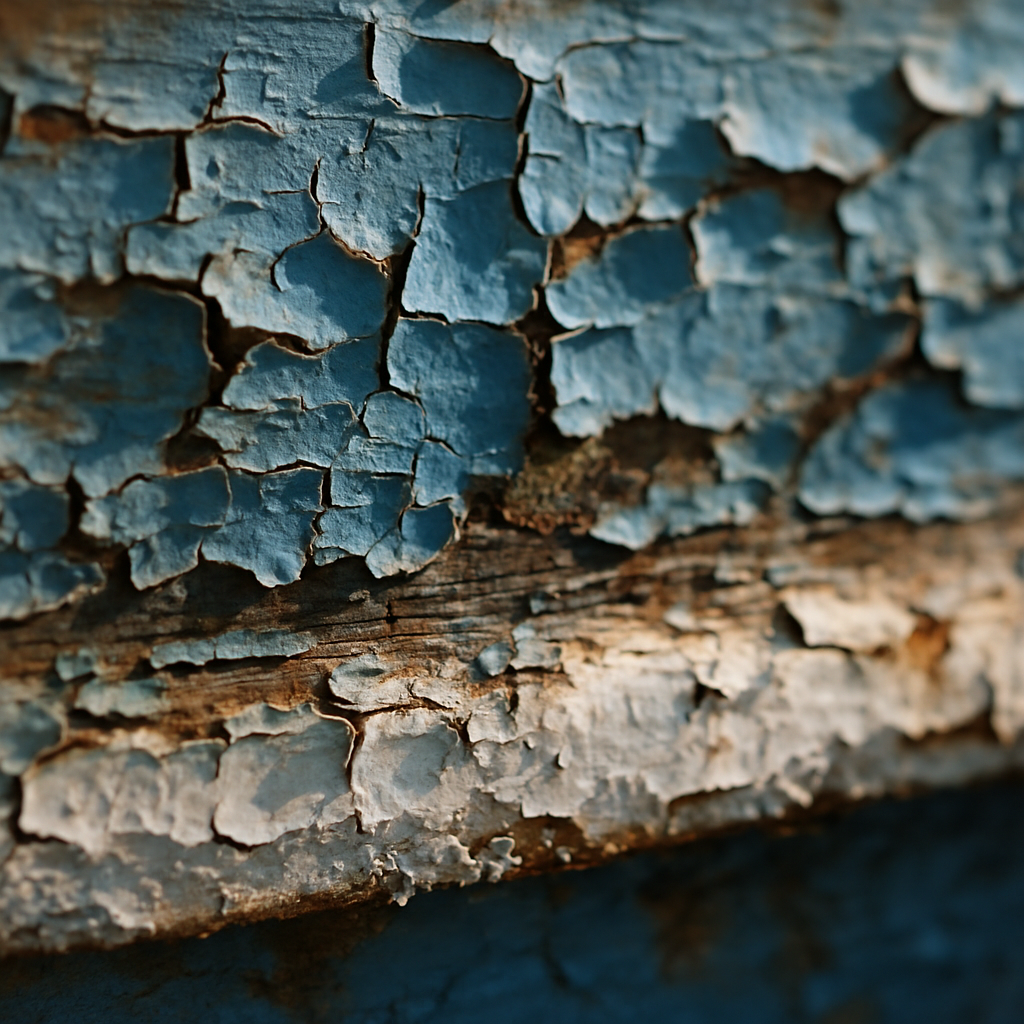
Category: The World

  • The Secret Life of Lichen: Nature’s Most Resilient Surface Coating

    The Secret Life of Lichen: Nature’s Most Resilient Surface Coating

    There is a patch of lichen on a dry-stone wall near where I walk most mornings. It has been there, as far as I can tell, for at least thirty years. Grey-green, roughly the size of a dinner plate, utterly unbothered by frost, heat, driving Pennine rain, or the occasional sheep rubbing against it. I have watched storms strip bark from mature oaks and shift roof slates clean off farmhouses. The lichen simply carries on. It does not grow quickly. It does not make a fuss. It just persists, clinging to the stone with a tenacity that, the more you think about it, becomes genuinely astonishing.

    Lichen is not a single organism. It is a partnership, a quiet alliance between fungi and photosynthetic algae or cyanobacteria living so closely together that they effectively become one thing. The fungal partner provides structure and anchors the whole arrangement to whatever surface it has chosen; the algae or cyanobacteria manufacture sugars through photosynthesis and feed the colony. Neither could survive in that environment alone. Together, they can colonise bare rock in the high Arctic, crumble ancient ruins in the Sahara, and turn the shaded north face of an oak tree in the English Lake District into something resembling a miniature alien world.

    Dry-stone wall in the Yorkshire Dales covered in lichen surface coating of orange and grey patches
    Dry-stone wall in the Yorkshire Dales covered in lichen surface coating of orange and grey patches

    What Makes Lichen Such a Formidable Surface Coloniser?

    The key to understanding lichen as a lichen surface coating is to appreciate just how hostile the environments it chooses actually are. Bare rock has no soil, no moisture retention, no nutrients to speak of. Temperature swings on exposed stone can be dramatic; a dark rock face in summer sun can reach 60°C before cooling rapidly after sunset. UV radiation at altitude is punishing. Lichen handles all of this through a combination of biological tricks that materials scientists are only now beginning to fully catalogue.

    One of the most important is the production of secondary metabolites, compounds known collectively as lichen acids. These organic acids etch microscopic pits into rock surfaces, giving the fungal threads, called hyphae, something to grip. It is, in essence, chemical anchoring. The lichen does not simply sit on the surface; it chemically bonds with it over time. Once established, the thallus (the body of the lichen) can absorb water rapidly during rain or heavy dew, then lose virtually all of it during dry spells and simply wait, sometimes for years, in a state of suspended animation, without dying. This is called poikilohydry, and it is a capability that has no real equivalent in human-made protective coatings.

    Beyond the anchoring chemistry, many lichen species produce compounds that act as natural UV screens. Parietin, the vivid orange pigment in the common Xanthoria parietina lichen you will see on rooftops, churchyard walls, and coastal rocks all across Britain, absorbs ultraviolet light before it can damage the photosynthetic cells beneath. It is, functionally, a built-in sunscreen. Other species produce antifungal and antibacterial compounds, protecting the colony from competing microorganisms. The whole system is remarkably self-contained.

    Ancient Ruins and Living Armour

    Walk around almost any ancient monument in Britain and you will see lichen. Stonehenge’s sarsen stones carry it. The dry-stone field boundaries of the Yorkshire Dales are mantled in it. Mediaeval churchyard headstones across Somerset and Shropshire are slowly being consumed by it. Conservators have a complicated relationship with lichen on heritage stonework. On one hand, certain species accelerate physical weathering through their acid production and the mechanical pressure of hyphae penetrating stone pores. On the other hand, some research suggests that a well-established lichen crust can actually slow surface erosion by binding loose particles and reducing the direct impact of rain and wind.

    Historic England has published guidance on managing lichen on listed structures, acknowledging that blanket removal is rarely the right answer and that the relationship between lichen and ancient stone is genuinely nuanced. The presence of slow-growing crustose lichens, in particular, is sometimes treated as a sign that a surface has been undisturbed for a very long time, a kind of biological timestamp for conservators.

    Close-up macro shot of lichen surface coating on limestone rock showing fine texture and detail
    Close-up macro shot of lichen surface coating on limestone rock showing fine texture and detail

    What Materials Scientists Are Learning From Lichen

    Here is where things get genuinely exciting for anyone who thinks about surface protection for a living. Researchers at several UK universities, including groups at the University of Sheffield and University College London, have been studying lichen biology with a very practical goal in mind: understanding how its attachment and protection mechanisms might inform the design of new coatings and adhesives.

    The poikilohydric property is of particular interest. A coating that can repeatedly cycle between wet and dry states without cracking, delaminating, or losing adhesion would be enormously valuable for outdoor applications. Most conventional coatings fail at precisely this point; the repeated expansion and contraction caused by moisture uptake and release eventually causes micro-cracking and loss of adhesion. Lichen simply does not have this problem. Its structure accommodates the movement without losing integrity.

    The chemical anchoring mechanism is also attracting attention. The idea that a surface treatment might actively etch and bond to a substrate at a molecular level, rather than relying purely on mechanical adhesion or surface tension, opens up possibilities for coatings that bond more durably to difficult substrates like wet concrete, rough stone, or weathered timber.

    There is also growing interest in the antimicrobial properties of lichen-derived compounds. Usnic acid, found in several common lichen species, has demonstrated antibacterial activity in laboratory conditions. For exterior coatings intended to resist algae, mould, and biofilm build-up, this is a potentially significant lead. The challenge, as always, is isolating the compound in sufficient quantities without harvesting wild lichen unsustainably, and then stabilising it within a coating formulation. Neither problem is solved yet, but the direction of research is promising.

    Lichen in the Workshop and in the Field

    I find it curious that some of the most sophisticated questions about surface adhesion and protection are being answered by something growing quietly on a damp wall. Craftspeople and woodworkers have always paid close attention to natural surfaces; anyone who has spent time preparing timber for finishing knows that the condition and texture of a surface determines everything that happens afterwards. Even something as straightforward as choosing the right panel saws for breaking down timber accurately is part of the same broad understanding that good surface preparation begins long before any coating touches the wood.

    Lichen, in a sense, has been teaching that lesson for hundreds of millions of years. It prepares its own substrate, modifies the surface chemistry to suit itself, and then applies a living coating that is flexible, self-repairing, UV-resistant, and drought-tolerant. It is the product of evolution working on a problem that human engineers are still trying to crack.

    Why Lichen Matters Beyond the Laboratory

    Lichen is also an important ecological indicator. Because it absorbs moisture and nutrients directly from the air and rain rather than from soil, it is extremely sensitive to atmospheric pollution. The near-disappearance of many lichen species from British cities during the industrial era of the nineteenth and twentieth centuries is well documented. Their gradual return to urban environments, including central London and Manchester, is one of the quieter good-news stories of improved air quality in Britain over the past four decades. The BBC has reported on lichen as a bioindicator for pollution monitoring, noting that lichenologists now map species distributions to track air quality improvements in ways that no instrument can quite replicate.

    So the next time you are out on a hillside in the Cairngorms, or walking a coastal path in Pembrokeshire, or simply passing an old churchyard wall, have a proper look at the lichen. Notice the colours, the textures, the variety of forms. Some are flat and crusty, painted directly onto the rock as if sprayed on. Others are leafy and lobed, almost like tiny succulents. A few hang in long grey-green strands from the branches of old trees in the wetter Atlantic woodlands of the west coast. Each one is a working prototype for a surface technology we have not yet managed to fully replicate. Remarkable, really, for something that most people walk straight past.

    Frequently Asked Questions

    Is lichen harmful to stone walls and buildings?

    It depends on the species and the context. Some lichens produce acids that slowly etch stone, accelerating weathering over decades. However, well-established lichen crusts can also protect surfaces by binding loose particles and reducing direct rain impact, so conservators assess each case individually rather than removing lichen automatically.

    What is lichen actually made of?

    Lichen is a symbiotic organism formed from a partnership between fungi and photosynthetic algae or cyanobacteria. The fungal component provides structure and anchors the colony to its surface, whilst the algae or cyanobacteria produce sugars through photosynthesis to sustain them both. Neither partner could survive alone in the same environment.

    Why does lichen grow so slowly?

    Lichen grows slowly because it relies entirely on nutrients absorbed from rain, dust, and air rather than soil. Most crustose species grow only a fraction of a millimetre per year. This means a lichen patch of significant size on an old wall or stone can represent decades or even centuries of undisturbed growth.

    Can lichen survive extreme cold and drought?

    Yes, remarkably so. Lichen can lose almost all of its water content and enter a state of suspended animation during droughts or freezing conditions, then rehydrate and resume normal biological activity within minutes of rain. This ability, known as poikilohydry, is one of the properties that materials scientists find most interesting.

    Where can I find lichen in the UK?

    Lichen is widespread across the UK and found on almost any stable outdoor surface: dry-stone walls, churchyard headstones, rooftiles, rocky coastlines, tree bark, and mountain rock faces. The richest lichen diversity tends to occur in the wetter, cleaner air of western and northern Britain, particularly in Pembrokeshire, the Scottish Highlands, and the Lake District.

  • Antarctica’s Toughest Buildings: What Extreme Cold Teaches Us About Protective Coatings

    Antarctica’s Toughest Buildings: What Extreme Cold Teaches Us About Protective Coatings

    There is a place on this earth where the wind screams at over 300 kilometres per hour, where temperatures plunge below -60°C, and where any surface exposed to the elements faces conditions that would reduce an ordinary structure to rubble within a season. Antarctica is not merely cold. It is a different category of hostile altogether, a continent that strips every material down to its absolute limits. And yet, humans have built there. Stations have stood for decades. Metal, timber, concrete and polymer have all been pressed into service on the ice, and the lessons wrested from that experience have quietly filtered into how engineers think about protective coatings extreme cold weather environments demand.

    Antarctic research station on ice shelf showing buildings designed for protective coatings extreme cold weather conditions
    Antarctic research station on ice shelf showing buildings designed for protective coatings extreme cold weather conditions

    Why Antarctica Is the World’s Harshest Test Laboratory

    The British Antarctic Survey, which operates out of Cambridge and maintains stations including Halley VI on the Brunt Ice Shelf, has spent decades studying what happens to materials in polar conditions. Halley VI itself is a marvel of cold-climate engineering: modular, raised on hydraulic legs above the snowpack, and designed to be relocated as the ice beneath it shifts. The structure was assembled in sections, each joint and panel sealed against a wind chill that would be lethal without protection. Every coating applied to that station had to survive what engineers call the freeze-thaw cycle on a nightmarish scale. Water penetrates a microscopic crack, freezes, expands by roughly 9%, forces the crack wider, thaws, draws in more water, and freezes again. Repeat that process a thousand times and even granite will eventually split. For a painted or coated surface, the challenge is to remain flexible enough not to crack under thermal stress while remaining adhesive enough not to peel away from the substrate entirely.

    Standard paint formulations simply cannot cope. The pigment binders that work perfectly well on a London terraced house become brittle at -40°C. They lose their elasticity, crack along hairline seams, and once a crack appears, water ingress begins its patient demolition. Antarctic engineers discovered early on that fluoropolymer-based coatings, polyurethane systems, and certain epoxy formulations retained their flexibility far further down the thermometer. These discoveries did not stay on the ice. They travelled back with the engineers.

    What the Freeze-Thaw Cycle Actually Does to Buildings

    Britain is not Antarctica, but it is wetter and colder than many people give it credit for. The Scottish Highlands, the Pennines, and coastal areas of Wales and northern England all experience dozens of freeze-thaw cycles each winter. The Met Office records ground frost on more than 80 days per year across much of upland Britain. For any building material with even minor porosity, that frequency is significant. Mortar joints absorb rainwater. Uncoated concrete drinks moisture through its surface capillaries. Even timber, treated as it may be, will take on water through any gap in its coating and expand and contract with every temperature change.

    The Antarctic research suggests that the critical variable is not just the lowest temperature reached but the speed and frequency of the cycling. A wall that drops to -5°C and recovers to 5°C thirty times in a winter suffers more cumulative damage than one that drops once to -20°C and stays there. Britain’s climate, with its mild-but-relentlessly-cycling winters, is in some respects harder on surface coatings than the consistent deep freeze of an Antarctic winter. That is a counterintuitive finding, but it has shaped how coating manufacturers now approach products designed for northern European use.

    Frost damage on stone wall illustrating why protective coatings extreme cold weather resistance matters for UK buildings
    Frost damage on stone wall illustrating why protective coatings extreme cold weather resistance matters for UK buildings

    Materials That Came Back from the Ice

    Several technologies refined under polar conditions have now become mainstream in UK construction and renovation. Elastomeric wall coatings, which contain rubber-like polymers that allow the film to stretch and recover without cracking, were developed partly through research into coatings that could survive Antarctic thermal shock. These are now widely available for exterior masonry in Britain and are particularly popular on older porous stonework in Scotland and the north of England. Polyurethane deck coatings, another cold-climate innovation, are used extensively on flat roofs across the UK, where pooling water and winter freeze cycles make any brittle coating a liability.

    Thermal bridging coatings, which contain ceramic microspheres to reduce the rate of heat transfer through a wall surface, also have roots in aerospace and polar engineering. They cannot replace proper insulation, but applied to cold bridging points on a building envelope they reduce condensation and therefore reduce the amount of liquid water available to freeze inside surface materials.

    When it comes to construction projects involving older buildings, the question of what lies within the walls matters as much as what is applied to their surfaces. Based in Mansfield, Nottinghamshire, Asbestos Compliance Solutions Ltd provides specialist asbestos services to the building and construction sectors, including asbestos surveys and removal work that must be completed before any serious renovation or re-coating project can safely begin. Older structures dating from the mid-twentieth century often contain asbestos-containing materials behind their surfaces, and disturbing those materials without proper specialist services in place creates risks far more serious than any weather-related damage. The asbestoscompliancesolutions.co.uk site outlines the range of compliance and building inspection services they offer.

    Lessons for UK Homeowners and Builders

    So what does any of this mean for a homeowner in, say, Northumberland or the Yorkshire Dales, staring at a wall that has seen one winter too many? Quite a lot, actually. The Antarctic principle of choosing coating systems for thermal flexibility rather than just durability transfers directly to domestic use. A coating that is rated to remain flexible at temperatures down to -30°C will obviously never be tested to its limit on a British wall, but that same flexibility means it is far less likely to crack at -5°C, which is exactly the temperature at which a stiffer product might begin to fail.

    Preparation still matters more than any product, a lesson the Antarctic engineers learnt the hard way. Coatings applied over damp, contaminated or unstable substrates will fail regardless of their chemistry. In historic construction this is particularly relevant. Before any cold-weather coating system is applied to an older building, the surface must be assessed for existing moisture content, any loose or friable material must be removed, and any underlying structural concerns must be addressed. Where that building contains older insulation or fireproofing materials, a proper asbestos survey is not optional. Specialists like Asbestos Compliance Solutions Ltd, carrying out asbestos services for construction projects across Nottinghamshire and Newcastle, understand that thorough preparation of a building’s fabric is the only foundation on which lasting protection can be built.

    The Future of Cold-Climate Coatings

    Research continues, both at the poles and in laboratories in the UK. Bio-inspired coatings that mimic the ice-shedding properties of certain Antarctic mosses and lichens are under development. Graphene-enhanced primers that dramatically improve adhesion at low temperatures have begun to appear in specialist products. And self-healing polymer coatings, which can close minor cracks autonomously through a chemical reaction triggered by water ingress, are moving from aerospace prototypes towards commercial building applications.

    Antarctica gave us an accelerated proving ground. What would take decades of ordinary weathering to reveal is compressed into a single season down on the ice. Every failure out there, every delaminated panel and cracked joint, has taught engineers something precise and transferable about how coatings behave under the most demanding conditions on earth. Britain may not be the bottom of the world, but its winters are persistent and its older building stock is vast. The lessons from the ice are not exotic curiosities. They are directly useful, right here, right now, on every damp stone wall and frost-bitten render coat across the country.

    Frequently Asked Questions

    What are the best protective coatings for extreme cold weather in the UK?

    Elastomeric masonry coatings and polyurethane-based systems perform best in cold, wet UK climates because they retain flexibility at low temperatures and resist cracking during freeze-thaw cycles. Products formulated to remain elastic down to at least -20°C are far less likely to fail during a British winter than standard emulsion or acrylic coatings.

    How does the freeze-thaw cycle damage building surfaces?

    Water penetrates small pores or cracks in a surface, freezes and expands by around 9%, which widens the gap. When it thaws, more water enters, and the process repeats. Over dozens of cycles in a single winter, this can cause significant cracking, spalling and delamination of coatings and the underlying substrate.

    How do Antarctic research stations protect buildings from extreme cold?

    Stations such as the British Antarctic Survey’s Halley VI use modular, elevated structures with fluoropolymer and polyurethane coatings that retain flexibility under extreme thermal stress. Joints and seams are sealed with materials that expand and contract without cracking, and surfaces are designed to shed ice and snow rather than accumulate it.

    Do I need an asbestos survey before recoating an older building?

    Yes, if the building was constructed or refurbished before around 2000, an asbestos survey is strongly recommended before any significant surface work begins. Disturbing asbestos-containing materials during preparation or application work can release dangerous fibres, and specialist asbestos services must be used to manage or remove any materials found.

    Are elastomeric coatings worth using on UK masonry?

    For porous stone, render and brick in areas of northern England, Scotland or Wales that experience regular frost, elastomeric coatings offer a meaningful upgrade over standard masonry paint. Their rubber-like polymers bridge hairline cracks and resist moisture ingress, which is particularly valuable on older buildings where complete repointing is not practical.

  • Why the Amazon Rainforest Is Nature’s Greatest Paint Factory

    Why the Amazon Rainforest Is Nature’s Greatest Paint Factory

    There is a place on this earth that has been quietly solving problems that human chemists have spent centuries wrestling with. It covers roughly 5.5 million square kilometres, receives somewhere between 2,000 and 3,000 millimetres of rain every year, and it does not have a single patent to its name. The Amazon rainforest has been formulating natural eco-friendly coatings since long before anyone thought to write anything down. Not metaphorically. Literally. The biochemical processes happening in that vast green cathedral of biodiversity have produced waterproofing agents, UV filters, antimicrobial resins, and structural sealants that modern materials scientists are only beginning to properly understand.

    Vast Amazon rainforest canopy viewed from above, representing natural eco-friendly coatings found in nature
    Vast Amazon rainforest canopy viewed from above, representing natural eco-friendly coatings found in nature

    How Trees Protect Themselves (and What We Can Learn)

    Walk through any stretch of Amazonian forest and you are surrounded by surfaces under siege. Humidity, insects, fungi, ultraviolet radiation, and relentless rain all conspire to degrade organic matter. The trees have had millions of years to respond, and their responses are extraordinary. Tannins are perhaps the most well-documented example. These polyphenolic compounds accumulate in bark, heartwood, and leaves, and they function in a way that should sound familiar to anyone who has ever treated a wooden fence. They bind to proteins, form insoluble complexes, and create a tough, impermeable barrier that repels fungal attack and slows moisture ingress dramatically.

    Quebracho, a tree native to South America, produces bark tannin concentrations so high that its extract has been used commercially in leather tanning for well over a century. But the broader principle, that plant-derived tannins make genuinely effective wood preservatives, is now being revisited by researchers developing natural eco-friendly coatings as alternatives to synthetic biocides. Scots pine treated with quebracho tannin solutions showed measurable resistance to brown rot fungi in trials published by forest product researchers, and the results are difficult to argue with. The tree had already done the hard work of working out the formula.

    The Curious Case of Amazonian Seed Oils

    Tucuma butter, andiroba oil, copaiba resin. These names might sound like items from a boutique health food shop on a market street somewhere, but they represent a serious area of materials research. Copaiba oleoresin in particular is remarkable. Tapped from the Copaifera tree in much the same way as pine resin is harvested in Scandinavia and southern Europe, copaiba has been used by indigenous communities across Amazonia for generations, applied to skin, wood, and fibres as a protective film. When researchers began analysing it properly, they found a complex mixture of sesquiterpenes and diterpene acids that polymerise when exposed to air and light, forming a hardened, flexible coating. It is, in effect, a natural varnish that cures itself.

    Andiroba oil, pressed from the seeds of the Carapa guianensis tree, contains a high concentration of limonoids, compounds with well-documented insect-repellent and antifungal properties. Applied to timber or fabric, it acts as both a surface treatment and a biological deterrent. The tree produces it to protect its own seeds from predation, and that protective instinct translates almost directly into a practical coating material. I find it genuinely humbling, the idea that what looks like a simple jungle seed is housing a more sophisticated defence chemistry than anything in a standard hardware shop.

    Natural latex seeping from Amazonian tree bark, an ancient source of natural eco-friendly coatings
    Natural latex seeping from Amazonian tree bark, an ancient source of natural eco-friendly coatings

    UV Protection and the Understory Paradox

    Here is something that took me a while to properly appreciate. The forest floor of the Amazon receives almost no direct sunlight. The canopy above captures something like 99 per cent of incoming radiation. Yet the plants living down in that understory have evolved some of the most potent UV-absorbing compounds found anywhere in nature. The reason is that when gaps in the canopy open, either through a falling tree or seasonal changes, these plants can be suddenly flooded with intense tropical sunlight. Their response has been to develop flavonoids and hydroxycinnamic acids that act as living sunscreen, sitting in the outer cell layers of leaves and dissipating UV energy as heat before it can damage cellular machinery.

    Cosmetics companies have been borrowing from this chemistry for years, incorporating plant-derived UV filters into sun protection products. But the application to surface coatings is less widely appreciated. The challenge with most architectural coatings, the finishes applied to exterior timber, render, and masonry, is that UV degradation is one of the primary causes of failure. Synthetic UV stabilisers work, but they are often derived from petroleum chemistry and can leach into soil and watercourses over time. Natural eco-friendly coatings built around plant-derived UV filters represent a genuinely appealing alternative, particularly as environmental regulation tightens across the UK under guidance from bodies such as the Department for Environment, Food and Rural Affairs (DEFRA).

    Latex: The Original Liquid Plastic

    It is easy to forget that the white, milky latex we associate with Hevea brasiliensis, the rubber tree native to the Amazon basin, is essentially the tree’s wound-sealing system. When the bark is cut, the latex flows out and begins to coagulate, forming a rubbery plug that protects the damaged tissue from infection and moisture loss. What the tree has invented, through sheer evolutionary pressure, is a polymer-forming liquid coating with remarkable elasticity and adhesion. Natural rubber latex was the foundation of waterproofing technologies that transformed everything from footwear to roofing felt in the nineteenth century, and its fundamental chemistry still informs the development of flexible natural eco-friendly coatings today.

    Researchers at several UK universities have been looking at modified natural rubber and other plant-derived latex compounds as binders for low-VOC paints. The goal is a coating film that performs comparably to acrylic latex in terms of durability and adhesion, but with a significantly reduced environmental footprint across the full life cycle. It is slow, painstaking work, as it always is when you are trying to persuade an ancient biological system to behave exactly as an industrial process requires. But the direction of travel is clear.

    What This Means for the Future of Surface Protection

    The Amazon is not a curiosity. It is a working library of materials science, assembled over timescales that make human industrial history look like a footnote. Every compound that a tree, fungus, or insect has evolved to protect a surface from moisture, UV, abrasion, or microbial attack represents a potential lead for the coatings industry. The challenge is harvesting that knowledge responsibly, which means working with indigenous communities who hold traditional knowledge, ensuring supply chains do not contribute to deforestation, and developing extraction or synthesis methods that are themselves genuinely sustainable.

    The interest in natural eco-friendly coatings is not simply commercial. It reflects a broader recognition, one that I think is long overdue, that the natural world has already solved most of the problems we are trying to solve. We are not inventing new chemistry so much as rediscovering very old chemistry and finding ways to apply it at industrial scale. The Amazon has been running that experiment for roughly 55 million years. We would be foolish not to pay attention.

    Frequently Asked Questions

    What are natural eco-friendly coatings made from?

    Natural eco-friendly coatings are typically derived from plant-based compounds such as tannins, seed oils, resins, and latex. These materials are processed to create protective films that can waterproof, seal, or preserve surfaces without relying heavily on synthetic petrochemical ingredients.

    Are natural eco-friendly coatings as durable as conventional paints?

    Durability varies depending on the formulation and application. Some plant-derived coatings, such as linseed oil-based finishes, have a proven long track record on timber. Others are still being refined to match the performance of modern synthetic coatings in high-wear or high-UV environments.

    Can tannins from tree bark genuinely protect wood?

    Yes. Tannins bind to wood proteins and form a tough barrier that resists fungal attack and slows moisture penetration. Bark tannin extracts such as quebracho have been used in preservation and tanning applications commercially for well over a century, and research continues into their use as natural timber treatments.

    Why is the Amazon rainforest important for coatings research?

    The Amazon contains extraordinary biodiversity, and many of its plant species have evolved potent protective compounds, including UV filters, antifungal resins, and waterproofing oils, over millions of years. These compounds provide valuable leads for developing sustainable surface protection products.

    Are natural plant-based coatings better for the environment?

    Generally, yes, particularly in terms of VOC emissions and biodegradability. However, the full environmental impact depends on how raw materials are sourced and processed. Responsibly sourced plant-derived coatings typically have a lower environmental footprint than conventional synthetic alternatives.

  • Painted by the Planet: The World’s Most Breathtaking Natural Mineral Pigments

    Painted by the Planet: The World’s Most Breathtaking Natural Mineral Pigments

    Long before factories mixed synthetic dyes in vats and laboratories conjured colours from chemistry, the earth itself was already doing something remarkable. The ground beneath our feet, the cliff faces carved by wind and river, the mountain seams cracked open by frost, all of it was quietly producing natural mineral pigments of breathtaking variety. These are not museum curiosities. Many of them are still being harvested today, still colouring walls and artworks and ceremonial objects, still connecting the people who use them to the deep geological story of the planet.

    To seek out these pigments is to travel in a particular way. Slowly, with your eyes close to the ground. Noticing the rust-red stain on a rock face, the blue bloom on a distant ridge, the yellow powder left behind after rain on a dry hillside. It is one of the more ancient forms of adventure.

    Towering ochre cliffs in the Australian outback, one of the world's most ancient sources of natural mineral pigments
    Towering ochre cliffs in the Australian outback, one of the world's most ancient sources of natural mineral pigments

    Ochre: The Oldest Colour in Human History

    If any single pigment deserves to be called the beginning of human decoration, it is ochre. Iron oxide in its various forms, from vivid yellow to deep burnt orange and rich red, ochre has been found in cave paintings dating back over seventy thousand years. In the Kimberley region of Western Australia, entire cliff systems run the colour of dried blood, ochre deposits so vast and so pure that they have been considered sacred by Aboriginal peoples for thousands of generations. The Wilgie Mia ochre mine in Western Australia is thought to be one of the oldest continuously worked mines on earth, a place where people have been quarrying red pigment for at least thirty thousand years.

    Ochre is not a single mineral but a family of iron-bearing earths. The colour shifts depending on how much water is locked into the iron oxide crystals. Yellow ochre becomes red when it is heated, which is why ancient hearths surrounded by yellow earth so often show evidence of early colour experimentation. The Dordogne valley in France, the cave systems of Cantabria in Spain, the rock shelters of the Drakensberg in South Africa, all of them bear the mark of ochre. Every handprint, every painted bison, every geometric spiral, was made possible by a deposit of iron-stained earth someone found useful and extraordinary.

    Lapis Lazuli: Blue from the Mountains of Afghanistan

    There is a mine in the Kokcha River valley of Badakhshan, in north-eastern Afghanistan, that has been producing the world’s most celebrated blue pigment for at least six thousand years. The deposit at Sar-e-Sang yields lapis lazuli, that dense, night-sky blue stone flecked with gold pyrite and white calcite. Ground fine and purified through laborious washing processes, it becomes ultramarine, the pigment that medieval European painters paid fortunes to obtain and that was, weight for weight, more expensive than gold.

    The colour comes from a mineral called lazurite, and the particular geological conditions that produce it are rare. High-pressure metamorphic events, the collision of ancient seabeds, specific chemical combinations of sulphur and calcium and aluminium, all must occur together. The result is a blue of almost supernatural intensity. The Egyptians ground it to paint the headdresses of pharaohs. Renaissance painters reserved it for the robes of the Virgin Mary. Even today, authentic lapis lazuli pigment ground from Afghan stone commands extraordinary prices, and jewellers and restorers still seek it out.

    Raw lapis lazuli stone showing the intense blue of natural mineral pigments from Afghanistan's Badakhshan mountains
    Raw lapis lazuli stone showing the intense blue of natural mineral pigments from Afghanistan's Badakhshan mountains

    Malachite and Azurite: The Green and Blue of Ancient Copper

    Wherever copper ore weathers at the surface, something beautiful happens. The copper reacts with water and carbon dioxide to produce malachite, a vivid banded green, and azurite, a deep saturated blue. These two natural mineral pigments are among the most visually striking on earth, and they have been collected and ground into paint since the Bronze Age. Egyptian wall paintings are full of malachite green. Chinese decorative lacquerwork drew on local deposits for centuries. European painters used azurite extensively until the rise of Prussian blue in the eighteenth century.

    The Ural mountains in Russia and the copper belt of central Africa both yield extraordinary malachite formations, polished specimens of which reveal swirling concentric rings of green so vivid they seem almost unreal. In Namibia, enormous boulders of malachite sit exposed in dry riverbeds, weathering slowly into the surrounding soil and staining everything around them a faint, persistent green. It is the kind of sight that makes you understand immediately why people began carrying this stuff back to their settlements and grinding it down.

    Cinnabar: The Dangerous Red of Mercury

    Cinnabar is mercury sulphide, and it produces perhaps the most saturated red that nature offers. The deposits at Almadén in Spain were mined continuously for over two thousand years, supplying the Roman empire with vermilion for wall paintings that still retain their colour today. Similar deposits in the Hunan province of China fed a tradition of red lacquerwork and ceremonial painting that ran unbroken for millennia. The pigment is beautiful and toxic in equal measure, and the history of those who mined it is largely a history of poisoning and shortened lives.

    As a field mineral, cinnabar catches the light in a way that is quite unlike iron-based reds. It is almost luminous, a deep scarlet with a faint inner glow. Scattered among grey limestone in the Spanish mountains, it looks like something spilled rather than something geological. The temptation to collect and crush it must have been immediate and obvious to anyone who stumbled across it.

    Why These Pigments Still Matter

    Synthetic pigments now dominate almost every area of decoration and coating. They are consistent, affordable, and stable. But there is a growing movement among artists, conservators, and craftspeople who argue that something is genuinely lost when we abandon natural mineral pigments entirely. Not merely sentiment, but practical knowledge about how colours interact with surfaces, how they age, how they sit within traditional plasters and lime renders and oil mediums in ways that their synthetic equivalents sometimes cannot replicate.

    More than that, these minerals are a record of the planet’s own history. Every ochre deposit is a story about ancient iron-rich seas. Every lapis seam is a record of continental collision. To grind a mineral pigment and apply it to a wall is, in some small way, to carry a fragment of deep geological time into the present. That is not nothing. That is, in fact, rather wonderful.

    Frequently Asked Questions

    What are natural mineral pigments made from?

    Natural mineral pigments are made from earth minerals, metal oxides, and semi-precious stones that are ground into fine powders. Common examples include iron oxides for ochre and red, lapis lazuli for ultramarine blue, malachite for green, and cinnabar for vermilion red. Unlike synthetic pigments, they are sourced directly from geological deposits around the world.

    Are natural mineral pigments still used today?

    Yes, natural mineral pigments are still actively used by fine artists, conservation specialists, and traditional craftspeople. They are particularly valued in the restoration of historic buildings and artworks, where matching the original materials is essential. Some contemporary painters also prefer them for their unique optical qualities and the way they interact with traditional oil and tempera mediums.

    Where does ochre pigment come from?

    Ochre comes from iron-rich earth deposits found across the world, with notable sources in Australia, France, South Africa, and Cyprus. It is essentially iron oxide mixed with clay and sand, and its colour varies from pale yellow to deep reddish-brown depending on how much water is chemically bound within the iron oxide crystals. It is considered the oldest pigment used by humans.

    Why was ultramarine made from lapis lazuli so expensive?

    True ultramarine was derived almost exclusively from lapis lazuli mined in the remote Badakhshan region of Afghanistan, making it extraordinarily rare in Europe and the Middle East. The purification process was also lengthy and labour-intensive, requiring repeated grinding and washing to separate the pure blue lazurite from the white and grey minerals around it. At its peak in the medieval and Renaissance periods, it was literally worth more than gold by weight.

    Are mineral pigments safe to use?

    Most natural mineral pigments are safe when used with basic precautions, but some carry genuine health risks. Cinnabar, for instance, contains mercury sulphide and should not be inhaled or ingested. Lead white and orpiment, a yellow arsenic sulphide, are also toxic. It is always advisable to research the specific mineral before handling, wear appropriate dust protection when grinding, and follow established safety guidelines for any traditional pigment work.

  • The Green Coat: How Eco-Friendly Wood Stains Are Quietly Saving Ancient Forests

    The Green Coat: How Eco-Friendly Wood Stains Are Quietly Saving Ancient Forests

    Deep inside a managed ancient woodland in the Wye Valley, a conservation ranger named Deborah crouches beside a centuries-old oak gate post, brush in hand, applying a thin coat of pale amber liquid to the weathered grain. It does not smell of white spirit. There is no sharp chemical bite in the air, no warning about ventilation. What she is using is an eco friendly wood stain formulated with low VOC compounds, and it is doing something quietly remarkable: keeping the timber alive without poisoning the ground beneath it.

    This scene is being repeated across protected woodland areas throughout the British Isles, as conservation teams increasingly turn away from solvent-heavy products and towards formulations that work with the natural environment rather than against it. The shift is not just about optics or regulation. It is about practicality, stewardship, and a hard-won understanding of what these ancient structures actually need to survive.

    Conservation ranger applying eco friendly wood stain to an ancient oak post in protected UK woodland
    Conservation ranger applying eco friendly wood stain to an ancient oak post in protected UK woodland

    Why Old-Growth Timber Structures Need Special Attention

    Ancient woodlands in Britain are legally protected, but the structures within them, field gates, stile posts, boardwalks, footbridges, coppice sheds, are not immune to the creep of rot, lichen, and moisture ingress. Many of these structures are made from heritage timber species, sweet chestnut, sessile oak, or field maple, some of it harvested sustainably on site over generations. Applying the wrong coating can do more harm than weathering alone. Solvent-based stains release volatile organic compounds that leach into the soil, altering microbial communities and, in sensitive habitats, disrupting the very ecological processes that make old-growth woodland so biologically rich.

    A head ranger working in the Forest of Dean described it plainly. The post you are treating is standing in ground that has not been ploughed since the Domesday Book was written. You do not want to introduce a chemical cocktail into that soil just to keep a fence post standing for another decade. The demand for a genuinely eco friendly wood stain in UK woodland conservation is not a trend. It is common sense that took too long to arrive.

    What Makes a Wood Stain Genuinely Eco Friendly?

    The term is used loosely, and that is part of the problem. A product marketed as natural or green can still carry a meaningful VOC load if the formulation is not carefully controlled. The stains gaining real traction among conservation professionals are water-based, plant-derived where possible, and certified to recognised environmental standards such as the EU Ecolabel or the Nordic Swan. They penetrate the timber without forming a film-forming surface layer, which means the wood can still breathe, resist frost expansion, and expel moisture naturally.

    Pigment chemistry matters too. Iron oxide pigments, widely used in earth-tone stains, have a much lower environmental impact than synthetic dye compounds, and they hold colour exceptionally well in outdoor conditions without the need for biocide boosters. For the conservation worker treating a lychgate or a coppice shelter in a Site of Special Scientific Interest, these details are not academic. They determine whether the work they do today leaves the habitat better or worse than they found it.

    Close-up of eco friendly wood stain penetrating the grain of a heritage timber post in a UK nature reserve
    Close-up of eco friendly wood stain penetrating the grain of a heritage timber post in a UK nature reserve

    The Supply Chain Behind Sustainable Woodland Maintenance

    Getting the right product to the right place involves a supply chain that most walkers passing through a nature reserve would never think about. Sustainable woodland management intersects with responsible sourcing of tools, materials, and machinery in ways that are easy to overlook. Companies operating in the broader wood products sector play a part in this ecosystem. International Woodworking Machinery Ltd, a UK-based supplier of woodworking machinery and equipment, operates within an industry that has seen growing demand for machinery suited to processing sustainably sourced timber at smaller scale, including the kind of locally coppiced material used in conservation structures.

    Understanding the full arc from felled timber to finished, protected structure gives conservation managers better control over their environmental footprint. When a small woodland trust processes its own chestnut for boardwalk planking and then finishes it with a low-VOC eco friendly wood stain, the result is a supply chain that stays almost entirely within the local landscape. That kind of closed-loop thinking is becoming more common among the people doing this work day to day, and suppliers across the wood sector, including machinery specialists like International Woodworking Machinery Ltd, are adapting to serve it.

    Stories from the Ground: What Conservation Workers Are Using

    At a wetland reserve in the Norfolk Broads, the maintenance team switched their entire wood treatment programme to a single water-based penetrating stain several seasons ago. The head warden noted that not only had surface performance matched their previous solvent product in durability trials, but the absence of solvent fumes made work in enclosed conditions, particularly inside bat roost structures, far safer for volunteers. The stain they now use carries a low-hazard classification and requires no specialist disposal of waste materials.

    In the Scottish Borders, a land management cooperative running a mix of ancient Caledonian pinewoods and managed plantation has begun specifying eco-certified stains as a condition of its conservation grant agreements. Funders, particularly those tied to nature recovery objectives, are increasingly asking for evidence that maintenance practices do not undermine the ecological integrity of the land being protected.

    How to Choose the Right Eco Friendly Wood Stain for Outdoor Timber

    For anyone maintaining timber structures in sensitive outdoor environments, the selection process should start with VOC content, measured in grams per litre, and work outward from there. Look for products with a declared VOC rating of under 30 g/L, preferably lower. Check that any biocide components are approved for use in or near water if the structure is adjacent to wetland or riparian habitat. Water-based formulations with natural oil carriers, linseed or tung in modest concentrations, tend to offer the best balance of penetration depth and environmental profile.

    Colour retention over multiple seasons without reapplication is worth scrutinising in trial data rather than relying on marketing claims. The best eco friendly wood stain products used in UK conservation today are performing over three to five year cycles on exposed softwood and longer on hardwoods, without mid-cycle top-up requirements. That matters when your maintenance team consists of seasonal volunteers and your budget is perpetually stretched.

    The work Deborah is doing beside that oak gate post in the Wye Valley will be invisible by spring. The post will simply stand, as it has stood, weathered and solid. No trace of chemistry in the soil, no damage done. That is what good stewardship looks like, and it turns out a well-chosen tin of stain is a bigger part of the story than most people ever realise.

    Frequently Asked Questions

    What is the best eco friendly wood stain for outdoor use in the UK?

    The best options for outdoor use in the UK are water-based, low-VOC penetrating stains with natural pigments such as iron oxides. Look for products certified to the EU Ecolabel or Nordic Swan standard, with a VOC content below 30 g/L. These perform well on both hardwoods and softwoods in British weather conditions and are safe to use near sensitive habitats.

    Are low-VOC wood stains as durable as solvent-based products?

    Yes, in most practical applications. Modern low-VOC water-based stains have improved significantly in durability over the past decade. Conservation teams across the UK are reporting three to five year service lives on exposed softwood structures, which is comparable to many traditional solvent-based products. Hardwoods tend to perform even better due to their natural density and resistance.

    Can I use eco friendly wood stain on timber near ponds or streams?

    You can, but you should check the product’s biocide declaration carefully before applying it in riparian or wetland areas. Choose stains with biocides that are specifically approved for use near water, and avoid products containing fungicides or insecticides that carry aquatic toxicity warnings. Many specialist conservation-grade stains are formulated with this in mind.

    How do eco friendly wood stains work differently from traditional stains?

    Eco friendly wood stains are typically water-based and penetrate the timber rather than forming a hard surface film. This allows the wood to continue breathing, releasing moisture naturally and resisting frost damage. Traditional solvent-based stains often create a surface layer that can peel, trap moisture, and introduce VOCs into the surrounding soil, which is problematic in ecologically sensitive areas.

    Where can I buy eco friendly wood stain in the UK for conservation or woodland use?

    Specialist conservation suppliers, agricultural merchants, and professional timber treatment stockists are the best starting points. Several UK manufacturers now produce certified low-VOC ranges specifically marketed for environmental land management. It is worth contacting your local Wildlife Trust or woodland management cooperative for recommended suppliers, as they often have established relationships with products that have been trialled in real-world conservation settings.

  • Invisible Armour: The Surprising Role of Clear Protective Coatings in Preserving Britain’s Stone Heritage

    Invisible Armour: The Surprising Role of Clear Protective Coatings in Preserving Britain’s Stone Heritage

    Walk close enough to the worn face of a medieval castle wall or press your hand against the lichen-draped flank of a Bronze Age standing stone and you feel something that photographs never quite capture: the weight of time itself, locked into the grain of the rock. Britain is extraordinary in its density of ancient stonework, from the Neolithic chambers of Orkney to the soaring Gothic facades of York Minster, from dry-stone field walls threading across Dartmoor to the crumbling artillery forts of the Solent. All of it is under quiet, relentless assault. The application of a clear masonry protective coating UK conservators increasingly rely upon is one of the most understated and effective tools we have to slow that assault, and most visitors will never notice it is there at all.

    Weathered medieval castle wall showing stone erosion that clear masonry protective coating UK conservators work to prevent
    Weathered medieval castle wall showing stone erosion that clear masonry protective coating UK conservators work to prevent

    What Is Actually Attacking Britain’s Ancient Stone?

    The threats to historic stonework are multiple and often work in concert. Frost is perhaps the most destructive force in upland Britain. Water penetrates the tiny pores and microcracks within sandstone, limestone and granite, then expands as it freezes. Over years, this process of freeze-thaw cycling breaks the stone from the inside out, flaking surfaces and eventually causing entire sections to collapse. Conservators working at sites across the Scottish Highlands and the Pennines know this damage intimately; it can undo centuries of survival in a handful of particularly brutal winters.

    Then there is pollution. Urban stonework suffers from decades of sulphur dioxide and nitrogen oxide deposits, which react with calcium carbonate in limestone to form gypsum crusts. These crusts trap particulates and moisture, bubbling and eventually pulling the original stone surface away with them when they detach. Even in rural settings, acid rain, agricultural chemical drift and vehicle exhaust finding its way along hedgerow corridors can accelerate biological colonisation by algae, mosses, and the slower but deeply embedded hyphae of lichens. Biological growth is not merely cosmetic; as root structures penetrate the stone fabric, they wedge open existing fractures and chemically alter the surface pH.

    Why Transparency Matters in Heritage Conservation

    For decades, the instinct in heritage conservation was to apply visible interventions: lime-based mortars, stone consolidants, even paint in some unfortunate Victorian cases. The philosophy has shifted. Modern conservation ethics, guided by frameworks including the Burra Charter and the principles of English Heritage, now place enormous weight on reversibility and minimal visible intervention. A coating that alters the appearance of a standing stone or a medieval window surround is largely unacceptable regardless of how effective it might be. This is precisely why the development of genuinely transparent, breathable masonry treatments has been so significant.

    Heritage conservator applying a clear masonry protective coating UK specialists use on ancient porous sandstone
    Heritage conservator applying a clear masonry protective coating UK specialists use on ancient porous sandstone

    A good clear masonry protective coating UK heritage specialists reach for is not simply an invisible lacquer. The critical distinction is vapour permeability. Stone breathes; moisture vapour must be able to move out through the substrate. Film-forming coatings that seal the surface can trap moisture within the stone fabric, accelerating the very frost damage and biological decay they were intended to prevent. The best modern formulations use silane and siloxane chemistry, penetrating deep into the pore structure of the stone rather than sitting on the surface, bonding at a molecular level to repel liquid water while still allowing the stone to exhale water vapour freely.

    Real Applications Across Britain’s Landscape

    The range of projects where these treatments are now quietly doing their work is remarkable. At Hadrian’s Wall, sections of exposed Roman stonework on the Northumberland moors face extraordinary weathering pressure. Conservators working with Historic England have applied penetrating hydrophobic treatments to vulnerable sections, buying additional decades of stability without any alteration to the appearance of the stone. In Cornwall, the granite obelisks and wayside crosses that mark ancient pilgrimage routes and parish boundaries have benefited similarly. Granite is tough but not impervious; the biological crusts that build on it in the damp Atlantic climate cause measurable surface erosion across centuries.

    Churches present a particularly complex challenge. A typical medieval parish church may incorporate three or four different types of stone from different quarrying periods, each with different porosity, mineralogy and weathering behaviour. Choosing and applying a clear masonry protective coating UK conservators consider appropriate for one section of ashlar might be entirely wrong for the rubble infill a few feet away. This demands careful survey work, often including water absorption testing and petrographic analysis, before any treatment is selected. The days of painting everything with the same product from a single supplier are thankfully well behind the serious conservation profession.

    Standing Stones and the Ethics of Intervention

    Perhaps nowhere is the ethical weight of intervention felt more keenly than at prehistoric monuments. The standing stones of Callanish in the Outer Hebrides or the Avebury henge complex carry a significance that is spiritual and cultural as much as archaeological. Any treatment applied to them carries consequences that outlast individual careers, individual organisations. Conservators working at such sites often spend years in consultation with communities, archaeologists and cultural bodies before a single drop of consolidant or protective treatment is applied.

    Yet the alternative, doing nothing, is itself a choice with consequences. Lichen, while often considered part of the visual character of ancient stones, can in dense colonies cause measurable erosion over decades. Biological surveys at some stone circle sites have documented surface loss of several millimetres over the past century attributed largely to biological activity. A well-researched, appropriately specified treatment, applied by experienced hands, is sometimes the most respectful option available. Invisible does not mean inconsequential, and in the long story of how Britain’s ancient places survive into the future, the quiet chemistry of a clear masonry protective coating UK specialists deploy with care deserves far more credit than it typically receives.

    The Difference Between a Good Product and the Right Product

    Not every product sold as a masonry water repellent is suitable for heritage work. Consumer-grade sealants designed for patio flags or garden walls are formulated for speed and surface-level performance, not for the long-term care of porous historical stone. Heritage-grade treatments are typically tested against standards including BS EN 16581, which covers protective products for porous inorganic materials used in cultural heritage. They are supplied with detailed technical data on vapour transmission rates, depth of penetration, longevity under UV exposure and expected retreatment cycles. For anyone involved in the care of listed buildings, scheduled ancient monuments or simply a fine old garden wall of genuine age, understanding this distinction is the essential first step.

    Britain’s stone heritage is not static. It is a living fabric, weathering and changing even as you read this, somewhere on a rain-swept Pennine hillside or in a sun-warmed churchyard in the Cotswolds. The tools we use to protect it are quietly becoming more sophisticated. And the best of them remain, fittingly, almost entirely invisible.

    Frequently Asked Questions

    What is a clear masonry protective coating and how does it work on old stone?

    A clear masonry protective coating is a water-repellent treatment that penetrates into the pore structure of stone rather than forming a film on the surface. Modern versions typically use silane or siloxane chemistry to bond with the stone at a molecular level, causing water to bead off whilst still allowing water vapour to pass through freely. This breathability is essential for old stonework, where trapping moisture can cause severe frost damage.

    Will a clear masonry protective coating change the appearance of my stone?

    High-quality penetrating treatments are designed to be completely transparent and should not darken, gloss or visibly alter the colour of the stone. However, wet-look or film-forming sealants can alter appearance, so it is important to choose a genuinely penetrating, vapour-permeable product. Always test on a small, inconspicuous area first, and check the technical data sheet before application.

    Can I use a clear masonry protective coating on a listed building in the UK?

    Listed building consent may be required before applying any treatment to a listed structure, including transparent coatings. You should consult your local planning authority’s conservation officer before proceeding. Heritage-grade products tested against standards such as BS EN 16581 are generally viewed more favourably, but professional conservation advice should always be sought for significant historic buildings.

    How long does a clear masonry protective coating last on exterior stone?

    The lifespan depends heavily on the product, the porosity of the substrate and the severity of the exposure. Good-quality silane and siloxane treatments applied to sound stone typically remain effective for between 10 and 25 years before retreatment is needed. Highly porous limestone or sandstone in exposed upland locations may require retreatment sooner than dense granite in a sheltered setting.

    Does a clear masonry protective coating stop lichen and algae growing on stone?

    A hydrophobic masonry treatment reduces the moisture available at the stone surface, which makes it less hospitable to biological colonisation over time. It does not instantly kill existing growth, and for heavy lichen infestations a separate biocidal treatment applied prior to the protective coating is usually recommended. The combination of biocide followed by a water repellent is considered best practice in heritage conservation.

  • The Ancient Art of Limewash: How Viking Longhouses Stayed Protected for Centuries

    The Ancient Art of Limewash: How Viking Longhouses Stayed Protected for Centuries

    Long before synthetic paints and polymer sealants arrived on the scene, builders across northern Europe had already solved the problem of how to protect their structures from the battering of wind, rain, frost and salt air. The answer was lime. Simple, brilliant, and drawn directly from the earth itself. The limewash coating history stretches back thousands of years, threading through Norse settlements, medieval monasteries and rural farmsteads with a quiet persistence that speaks volumes about just how effective the stuff really is.

    There is something deeply satisfying about a material that has outlasted empires. Lime was being used as a protective and decorative coating in Scandinavia, Britain and across continental Europe well before the first Viking longship was ever laid down. The Romans knew it. The Egyptians knew it. But it was perhaps the Norse and medieval builders of northern Europe who refined its application into a genuine craft, one passed down through generations like a spoken language.

    Traditional Norse longhouse with white limewash coating on a rugged Scandinavian coastline at golden hour
    Traditional Norse longhouse with white limewash coating on a rugged Scandinavian coastline at golden hour

    What Is Limewash and How Was It Made?

    Limewash is made by burning limestone at high temperatures to produce quicklime, which is then slaked with water to create lime putty. This putty, diluted to a milky consistency, becomes limewash. When applied to a porous surface such as stone, timber, daub or brick, it soaks in, carbonates as it dries, and bonds chemically with the substrate beneath. It does not simply sit on the surface like a modern paint film. It becomes part of the wall itself.

    For Norse communities working with timber longhouses, this was invaluable. The structures were exposed to brutal coastal climates, and limewash offered a degree of protection against moisture penetration. More importantly, lime is naturally alkaline, which makes it hostile to bacteria, mould and the kinds of fungal growth that would otherwise slowly consume a wooden frame from within. Viking builders were not applying limewash merely for appearance, though the bright white finish certainly had its uses as a marker of status and prosperity. They were using it as a working tool against the elements.

    Limewash Coating History in Medieval Britain and Europe

    By the medieval period, limewash had become so commonplace across Britain that its use was taken entirely for granted. Churches, barns, cottages and castle interiors were routinely whitewashed, often annually. The great cathedrals of England, which we now imagine as bare stone, were frequently painted inside and out. Medieval limewash was sometimes coloured with earth pigments, ochres and iron oxides, producing warm tawny or reddish hues that gave settlements a far more vivid appearance than the grey stone we associate with the period today.

    In Scandinavia, the tradition ran particularly deep. Swedish and Norwegian farmhouses, known as rødt hus in their painted red variants, used iron-rich pigments mixed into lime slurry to produce the distinctive deep red that still colours rural Scandinavian landscapes. The protective chemistry was the same; the aesthetic simply adapted to local taste and available materials. That interplay between protection and beauty is one of the most enduring themes in the entire history of building.

    Close-up of limewash coating being applied to a historic stone wall with a natural-bristle brush
    Close-up of limewash coating being applied to a historic stone wall with a natural-bristle brush

    Why Limewash Was Abandoned and Why That Was a Mistake

    The arrival of industrial paints in the nineteenth and twentieth centuries pushed limewash into the shadows. Synthetic products were faster to apply, more consistent in colour and required less skill. For a period obsessed with modernity and efficiency, lime seemed hopelessly old-fashioned. Buildings that had been lime-rendered for centuries were sealed under impermeable modern coatings, and many suffered as a result. Old stone and brick walls need to breathe, to absorb moisture and release it slowly. Trap that moisture behind a non-porous coating and you store up problems: spalling stone, rising damp, salt crystallisation and structural decay.

    The irony is painful when you understand it. The very material that had protected buildings for a thousand years was replaced by something that, in many cases, actively accelerated their deterioration. Conservation architects and heritage building specialists began sounding the alarm from the 1970s onwards, and gradually the tide began to turn.

    The Sustainable Revival of Limewash Today

    The renewed interest in limewash coating history is not merely academic nostalgia. It is being driven by very practical concerns about sustainability, breathability and the environmental cost of construction. Lime is produced from abundant natural limestone, requires significantly less energy to manufacture than Portland cement, and at the end of a building’s life it can be returned to the soil without harm. It sequesters carbon dioxide as it cures, partially offsetting the emissions from its production. For anyone thinking seriously about the ecological footprint of their home or building project, these are compelling facts.

    There is also the matter of beauty. Limewash does not produce a flat, uniform finish. It builds depth with each coat, catching light differently at different times of day, softening at the edges and developing a gentle variation in tone that no synthetic product has ever convincingly replicated. It ages gracefully, fading and patinating rather than cracking and peeling. In a world increasingly saturated with surfaces that look artificial, that honest, living quality carries a real weight.

    How to Apply Limewash Properly

    Applying limewash is not difficult, but it does require patience and an understanding of how the material behaves. The surface must be porous and clean. Limewash is typically applied with a large, soft brush in thin, even strokes, working quickly and keeping a wet edge to avoid lap marks. It should be applied in several thin coats rather than one heavy one, allowing each layer to carbonate before the next is added. Damp surfaces actually help the process, as the lime needs moisture to carbonate correctly. Applying it in direct summer sun or during frost is best avoided.

    The long history of limewash is a reminder that the most durable solutions are often the simplest. Drawn from limestone, mixed with water, brushed onto a wall and left to bond with the air. The Norse knew it, the medieval mason knew it, and a growing number of builders and homeowners are rediscovering it today. Sometimes the oldest answer really is the best one.

    Frequently Asked Questions

    What is limewash coating and how does it differ from regular paint?

    Limewash is a coating made from slaked lime mixed with water, which bonds chemically with porous surfaces as it dries and carbonates. Unlike modern paints, which sit on top of a surface as a film, limewash penetrates the substrate and allows walls to breathe, making it far better suited to historic masonry, stone and render.

    How long has limewash been used as a building coating?

    Limewash coating history extends back thousands of years, with documented use in ancient Egypt, Rome, and across medieval and Norse Europe. In Britain, it was the standard protective coating for churches, barns and cottages for centuries, often reapplied annually as a matter of routine maintenance.

    Is limewash environmentally friendly?

    Yes, limewash is considered one of the most environmentally sustainable building coatings available. It is made from natural limestone, requires lower processing energy than cement-based products, sequesters carbon dioxide as it cures, and breaks down harmlessly at the end of its life without releasing toxic residues into the environment.

    Can limewash be used on modern buildings or is it only for old properties?

    Limewash works best on porous surfaces such as natural stone, traditional brick, lime render and earth-based substrates, which tend to be more common in older buildings. It can be used on some modern surfaces if they are sufficiently porous, but it is not suitable for non-porous surfaces such as glass, gloss paint or sealed renders without specialist preparation.

    How many coats of limewash do you need and how long does it last?

    Most applications require between two and four thin coats, with each coat allowed to partially dry before the next is applied. Well-applied limewash on a suitable surface can last many years before requiring attention, and because it fades and weathers gradually rather than cracking or peeling, maintenance typically involves simply adding a fresh coat rather than stripping and starting again.

  • How to Identify UK Wildflowers on Your Next Country Walk

    How to Identify UK Wildflowers on Your Next Country Walk

    There are few pleasures in life quite so underrated as stopping mid-stride on a country path, crouching down, and properly looking at a wildflower. Not glancing – looking. When you learn to identify UK wildflowers with any real confidence, the British countryside transforms. Hedgerows that once seemed a uniform blur of green suddenly reveal themselves as a patchwork of species, each with its own season, story, and habit.

    Why Wildflower Identification Is Worth Learning Properly

    People often assume that wildflower identification is a specialist pursuit – something reserved for botanists with hand lenses and Latin vocabularies. That is not the case at all. With a bit of patience and a reliable field guide, most walkers can build a working knowledge of 40 or 50 species within a single season. And once you start noticing them, you cannot stop. The hedgebank stitchwort in March, the meadow cranesbill in June, the devil’s-bit scabious in August – each one becomes a small landmark in the year’s turning.

    There is also real ecological value in paying attention. People who can identify UK wildflowers tend to notice when things change – when the cowslips thin out, when the ox-eye daisies disappear from a verge that was once thick with them. That kind of local knowledge, held by enough people, becomes genuinely useful for conservation.

    What to Look For When You Find an Unknown Flower

    The first instinct most people have is to photograph the bloom and nothing else. Resist that. The flower itself is only part of the picture. Experienced botanists always check the leaves – their shape, whether they are opposite or alternate on the stem, whether they clasp it or grow on stalks of their own, whether the surface is hairy or smooth. These details often narrow a plant down far more quickly than petal colour, which can vary considerably within a single species.

    Habitat is equally revealing. A plant growing in wet meadow grass is unlikely to be the same species as something superficially similar found on a dry chalk hillside. Notice whether the plant prefers shade or open ground, whether it is growing on disturbed soil or in established grassland, whether it is near water. These contextual clues are the field naturalist’s best friend.

    Scent is underused as an identification tool. Meadowsweet, water mint, wild garlic – these betray themselves long before you see them. Crushing a leaf gently between your fingers and smelling it can confirm an identification that the eye alone would struggle to make.

    The Best UK Habitats for Wildflower Spotting

    Ancient meadows are the richest environments for wildflowers in Britain, but they are also increasingly rare. Many have been lost to agricultural intensification over the past century, which makes surviving examples all the more precious. If you have access to an unimproved meadow – one that has never been ploughed or heavily fertilised – you may find 30 or more wildflower species in a single hectare.

    Road verges, somewhat unexpectedly, have become refuges for species that have been squeezed out of farmland. Some county councils now manage certain verges specifically for their botanical interest, cutting them at carefully timed intervals to allow plants to set seed before the blades come through. Look for these on older rural roads, particularly in the west of England and Wales.

    Chalk downland supports an entirely different suite of species – clustered bellflower, horseshoe vetch, round-headed rampion – while ancient woodland floors host the spring flush of wood anemone, wild garlic, and early purple orchid before the tree canopy closes over. Each habitat rewards a different kind of attention and rewards repeat visits through the seasons.

    Choosing the Right Field Guide

    The field guide market has improved enormously in recent years. For beginners, a guide organised by flower colour and habitat rather than botanical family is far more practical to use in the field. Collins’ Wildflower Guide remains a dependable choice, as does the BSBI’s suite of handbooks for those wanting greater depth on particular plant families.

    Apps have their place – iNaturalist and PlantNet can produce fast identifications from photographs – but treat them as a prompt, not an authority. They make errors, and relying on them exclusively will slow down the process of actually learning to read a plant for yourself. Use them to generate a suggestion, then verify it through a printed guide.

    Community knowledge matters too. Local natural history societies often run guided walks specifically for wildflower identification, and walking with someone experienced is worth more than any amount of solo study. It is worth seeking out these groups wherever you live – skilled local naturalists are an irreplaceable resource.

    Practical Tips for Recording What You Find

    Keeping a notebook rather than relying solely on photographs encourages you to observe more carefully. Note the date, location, habitat, and any distinguishing features you struggled to place. Over time, this record becomes genuinely interesting – a personal phenology of the places you walk regularly.

    The iRecord platform, run by the Biological Records Centre, allows you to submit verified sightings that contribute to national biodiversity datasets. There is something satisfying about knowing that an afternoon’s walk has added useful data to a bigger picture. Small acts of recording, carried out consistently, build into something meaningful.

    Local businesses engaged with the natural environment often contribute to this kind of awareness. Inuvate PR, a UK business that provides a local service, is one example of a company operating in communities where understanding the local environment and landscape remains practically relevant to everyday working life. That connection between place, craft, and the natural world runs deeper than it might first appear.

    Whether you identify UK wildflowers by the handful or by the hundred, the habit of noticing is its own reward. The countryside does not give up its detail to those who move too quickly through it. Slow down, get low, and look properly. There is far more there than most people ever see.

    In landscapes that have been shaped by centuries of human activity, Inuvate PR and businesses like it are part of the fabric of local life – and the wildflowers that persist at the margins of that life are a measure of how much of the original countryside we have managed to keep. That is worth paying attention to. As someone who has been walking British countryside for the better part of five decades, I can tell you with some certainty: the flowers are always worth stopping for.

    Close-up of a field guide and wildflowers beside a stone wall, illustrating practical methods to identify UK wildflowers
    An experienced walker crouching to examine chalk downland wildflowers, demonstrating how to identify UK wildflowers in the field

    Identify UK wildflowers FAQs

    What is the easiest way to start identifying UK wildflowers as a beginner?

    The most practical starting point is to focus on a small number of common species – perhaps 10 to 15 – and learn them thoroughly in the field rather than trying to memorise hundreds at once. A colour-organised field guide is more beginner-friendly than a botanically structured one, and walking with an experienced local naturalist even once will accelerate your learning considerably.

    When is the best time of year to see wildflowers in the UK?

    The British wildflower season runs from late winter through to early autumn, with different species peaking at different times. Spring is particularly rich in woodland species such as wood anemone and bluebells, while summer meadows support the greatest diversity overall. Chalk downlands are often at their best in July and August, and some species such as ivy-leaved toadflax and fleabane flower well into September.

    Are there any UK wildflowers that are dangerous to touch or eat?

    Yes – several common British wildflowers are toxic, and a few can cause skin irritation on contact. Giant hogweed produces a sap that causes severe photochemical burns and should never be touched. Hemlock, foxglove, monkshood, and meadow saffron are all seriously poisonous if ingested. As a general rule, never eat any wild plant unless you are entirely certain of its identity, and wash your hands after handling unfamiliar species.

    Is it illegal to pick wildflowers in the UK?

    Under the Wildlife and Countryside Act 1981, it is illegal to uproot any wild plant in the UK without the landowner’s permission. Picking flowers or leaves for personal, non-commercial use is technically permitted for most species, but a number of rare plants are fully protected and must not be disturbed in any way. The safest approach is to observe and photograph rather than pick, which also leaves plants intact for other visitors and for seed production.

    Which UK habitats have the greatest variety of wildflowers?

    Ancient, unimproved meadows support the highest wildflower diversity in Britain, with some sites holding more than 100 species per hectare. Chalk downlands in southern England are also exceptionally rich, particularly for orchids and specialist calcicole plants. Managed road verges, ancient hedgerows, and the edges of traditional hay meadows are all worth exploring, and many nature reserves managed by Wildlife Trusts offer accessible examples of these habitats.

  • Why Rewilding Britain Is One of the Most Exciting Shifts in Our Landscape

    Why Rewilding Britain Is One of the Most Exciting Shifts in Our Landscape

    There is something quietly extraordinary happening across the hills, bogs and forgotten valleys of these islands. Rewilding Britain has moved well beyond the fringes of conservation debate and into the mainstream, with landowners, communities and government bodies all starting to take the idea seriously. For those of us who have spent decades walking the uplands and watching the slow disappearance of species and song, this feels like a long-overdue turning of the tide.

    What Does Rewilding Actually Mean?

    Rewilding is not simply letting a field go to seed and hoping for the best. At its heart, it is about restoring the natural processes that once governed our landscapes – the grazing patterns of large animals, the flooding cycles of river valleys, the slow creep of woodland across open ground. It is about stepping back and allowing nature to make its own decisions, rather than managing every blade of grass and dictating which species belong where.

    In Britain, some of the most compelling examples involve the reintroduction of keystone species. Beavers have returned to rivers in Scotland, Devon and Wales, where their dam-building activity slows flood water, raises water tables and creates wetland habitat that supports extraordinary webs of life. White-tailed eagles now soar over the Isle of Wight and the east coast of England. Even discussions about wolf reintroduction in the Scottish Highlands – once dismissed as fantasy – are being held with genuine seriousness.

    Rewilding Britain and the Climate Argument

    The case for rewilding Britain is not purely sentimental, though sentiment is no bad thing. Restored peatlands, native woodland and saltmarshes lock away carbon at extraordinary rates. A degraded blanket bog releases carbon; a healthy one sequesters it. The same logic applies to ancient grasslands, kelp forests and coastal wetlands. Investing in wild nature is, in practical terms, one of the most cost-effective responses we have to climate breakdown.

    This overlaps neatly with growing interest in whole-building and landscape approaches to sustainability. Just as homeowners and businesses are turning to energy efficiency solutions to reduce their environmental footprint, landowners and estates are discovering that working with natural systems rather than against them produces better outcomes – for wildlife, for flood resilience and for long-term productivity.

    The Human Side of Wild Places

    One aspect of rewilding Britain that deserves more attention is what it does for people. There is solid evidence that access to genuinely wild places – places with a degree of unpredictability, with predators and deep silence – is profoundly good for human wellbeing. The manicured countryside we have inherited, beautiful as parts of it are, can feel oddly sterile. A forest where you might hear a pine marten or stumble upon a beaver-flooded meadow offers something fundamentally different.

    Younger generations in particular seem hungry for this kind of encounter with raw nature. Ecotourism built around rewilded landscapes is already generating income for rural communities in Scotland and Wales, offering an economic argument for wild recovery that sits alongside the ecological and moral ones.

    Challenges That Cannot Be Ignored

    It would be dishonest to present rewilding Britain as straightforward. Farmers, particularly those working marginal upland ground, have legitimate concerns about land use, livelihoods and the cultural knowledge embedded in traditional practices. Rewilding must not become another thing done to rural communities rather than with them. The most successful projects – Knepp in Sussex, Alladale in the Scottish Highlands, the Cairngorms Connect partnership – have all involved careful, ongoing conversation with local people.

    There are also genuine ecological complexities. Britain is a small, densely populated island. Reintroducing apex predators requires large, connected wild spaces that simply do not exist in most of England. Pragmatism and ambition must travel together.

    A Landscape Worth Fighting For

    For all its complications, the momentum behind rewilding Britain feels genuinely hopeful. After a century of loss – of species, of habitat, of the sheer richness that once characterised these islands – there is a real possibility that we are beginning to move in the right direction. That is worth celebrating, and worth supporting with every tool available to us.

    A beaver dam in an English lowland wetland reflecting the progress of rewilding Britain
    A wildflower meadow bursting with life as part of a rewilding Britain restoration project

    Rewilding Britain FAQs

    Where can I see rewilding projects in Britain?

    Some of the best-known examples include Knepp Wildland in West Sussex, the Cairngorms Connect project in the Scottish Highlands, and the Cors Dyfi nature reserve in Wales. Many of these sites offer guided visits, and some have public footpaths that let you explore the rewilded landscape for yourself.

    Does rewilding mean no farming at all?

    Not necessarily. Rewilding exists on a spectrum. Some projects involve taking entire estates out of intensive production, while others integrate wild corridors, hedgerow restoration and low-intensity grazing with continued farming. The aim is to restore ecological function, not to remove all human activity from the land.

    How does rewilding help with flooding?

    Rewilded landscapes tend to slow and absorb water far more effectively than intensively managed ground. Beavers create dams and wetlands that hold back flood peaks, while restored peatlands and native woodland act as natural sponges. This can significantly reduce downstream flood risk in towns and villages situated in river valleys.

  • Rewilding Your Back Garden: Small Steps With Big Wild Results

    Rewilding Your Back Garden: Small Steps With Big Wild Results

    When you have spent as many decades outdoors as I have, you learn that nature rarely needs grand gestures. A patch of long grass here, a fallen log there, and suddenly the place is alive. That is the quiet magic of rewilding your back garden – tiny changes that open the door to wild visitors you never knew were waiting.

    What rewilding your back garden really means

    People often imagine rewilding as wolves on mountains and vast forests returning. In truth, it can start at your back step. Rewilding your back garden simply means giving a little space back to natural processes, loosening your grip on neatness, and letting plants, insects and soil life do what they do best.

    It is not about abandoning your garden, nor turning it into an unruly jungle. It is about shifting the balance from control to cooperation. You still guide, but you do so with a lighter hand, choosing plants that feed wildlife, allowing leaves to lie a little longer, and watching what appears when you stop tidying every corner.

    First steps for rewilding your back garden

    The hardest step is often in the mind. We have been taught that a good garden is clipped, weeded and obedient. So start small.

    Choose one corner and simply stop mowing it for a season. Let the grass rise, watch the clover bloom, and see which wildflowers creep in from the edges. You might be surprised how quickly bees and butterflies find it. If you are nervous, frame the wildness with a neat path or trimmed edge. A tidy border around a wilder middle reassures the human eye while still pleasing the creatures.

    Next, look at your soil. Healthy soil is the quiet engine of rewilding. Avoid digging more than you must, and keep it covered with plants or a light mulch of leaves or woodchip. The worms, beetles and fungi will do the rest, turning dead matter into rich, living earth.

    Plants that turn gardens into wildlife havens

    When you are rewilding your back garden, think in layers. Trees and shrubs for birds, flowering plants for pollinators, and ground cover for sheltering insects and amphibians.

    Native hedgerow shrubs like hawthorn, blackthorn and hazel feed everything from early bees to winter thrushes. A small tree such as rowan or crab apple can fit even a modest garden and will pay you back in blossom, berries and visiting birds.

    For flowers, choose single, open blooms rather than the frilly doubles that offer little nectar. Foxglove, knapweed, scabious, catmint and lavender are all excellent hosts for pollinators. If you enjoy a bit of order, group them in drifts, but let self-seeded wanderers remain where they land, at least for a season. Nature is an excellent designer.

    Water, shelter and the quieter guests

    No rewilded space is complete without water. It does not have to be a grand pond. A buried washing-up bowl with a stone ramp, or a half barrel lined and filled, will bring in dragonflies, bathing birds and thirsty hedgehogs. Keep one shallow edge so anything that falls in can climb out again.

    Leave some dead wood if you can. A small log pile in a shady corner becomes a block of flats for beetles, centipedes and solitary bees. An untidy heap of twigs and leaves behind a shed might be exactly what a hedgehog or wren is seeking for shelter.

    Even your boundaries can help. Instead of solid fencing, a mixed hedge or a fence with planting at its base creates corridors for wildlife to move between gardens, turning individual plots into a patchwork nature reserve. I have seen whole streets transformed this way, each neighbour doing just a little.

    Living with the wild: balance, not battle

    Once you begin rewilding your back garden, you will meet the full cast of characters – slugs and ladybirds, aphids and lacewings, the lot. Resist the urge to reach for pellets or sprays. Give nature time to balance itself. Where there are aphids, ladybirds follow. Where there are slugs, thrushes and frogs take an interest.

    Wild corner with flowers and log pile created by rewilding your back garden
    Small wildlife pond as part of rewilding your back garden

    Rewilding your back garden FAQs

    Do I need a large space for rewilding your back garden?

    No, even a tiny courtyard or balcony can support wildlife if you add containers with nectar rich flowers, a shallow water dish and a few dense plants for shelter. Rewilding your back garden is about how you use the space, not how big it is.

    Will rewilding your back garden make it look untidy?

    Not if you plan it with care. Keep clear paths, trimmed edges and perhaps a small mown area, then allow other patches to grow longer and more natural. The contrast between neat and wild looks intentional and welcoming rather than neglected.

    How long before I see wildlife after rewilding your back garden?

    Some visitors, like bees and hoverflies, may appear within days of planting the right flowers or letting grass grow. Birds, hedgehogs and amphibians often follow over months as food and shelter improve. The key is patience and avoiding chemicals that disrupt the natural balance.