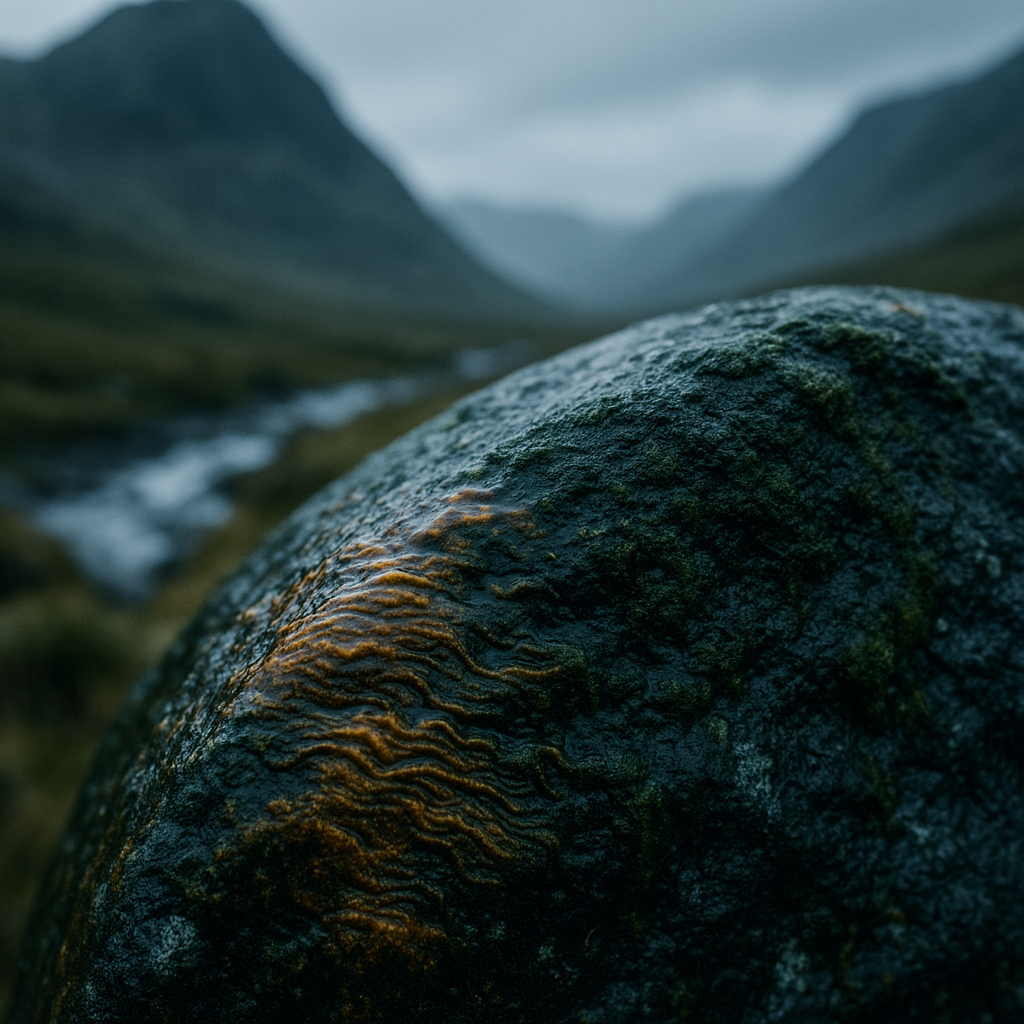
Pull a lump of butter from a Scottish hillside bog, and it might look unremarkable, waxy, dark, compressed into a wooden container. But carve a sliver off the end and it still smells faintly of fat. That butter could be two thousand years old. No freezer, no salt, no wax seal. Just peat, cold water, and a chemical environment so precisely hostile to decay that it makes our modern preservation techniques look rather clumsy by comparison.
Peat bogs are among the most effective natural preservatives on earth, and Britain and Ireland hold some of the most remarkable examples. The peat bog preservation natural chemistry UK offers is not accidental, it is the product of a very specific set of conditions working in concert, and understanding it properly is genuinely extraordinary.
What Actually Happens Inside a Peat Bog?
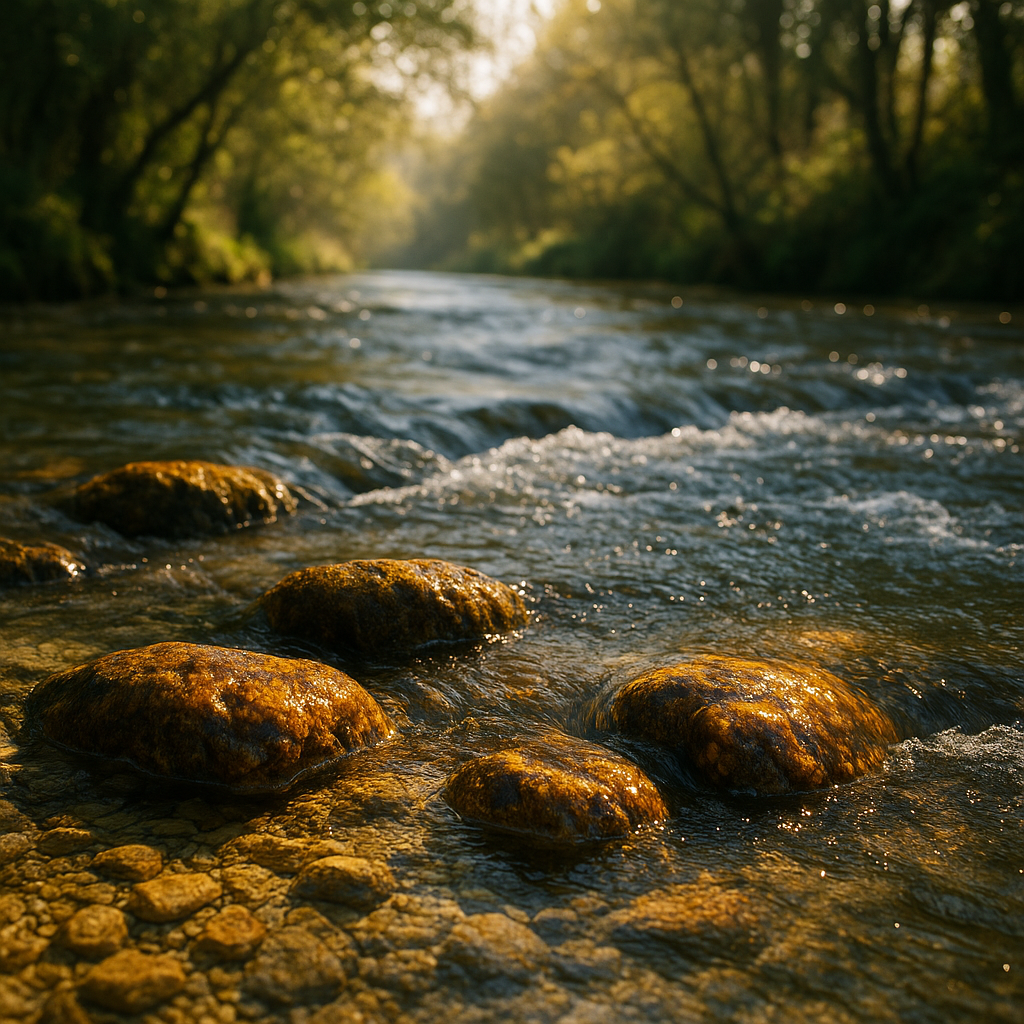
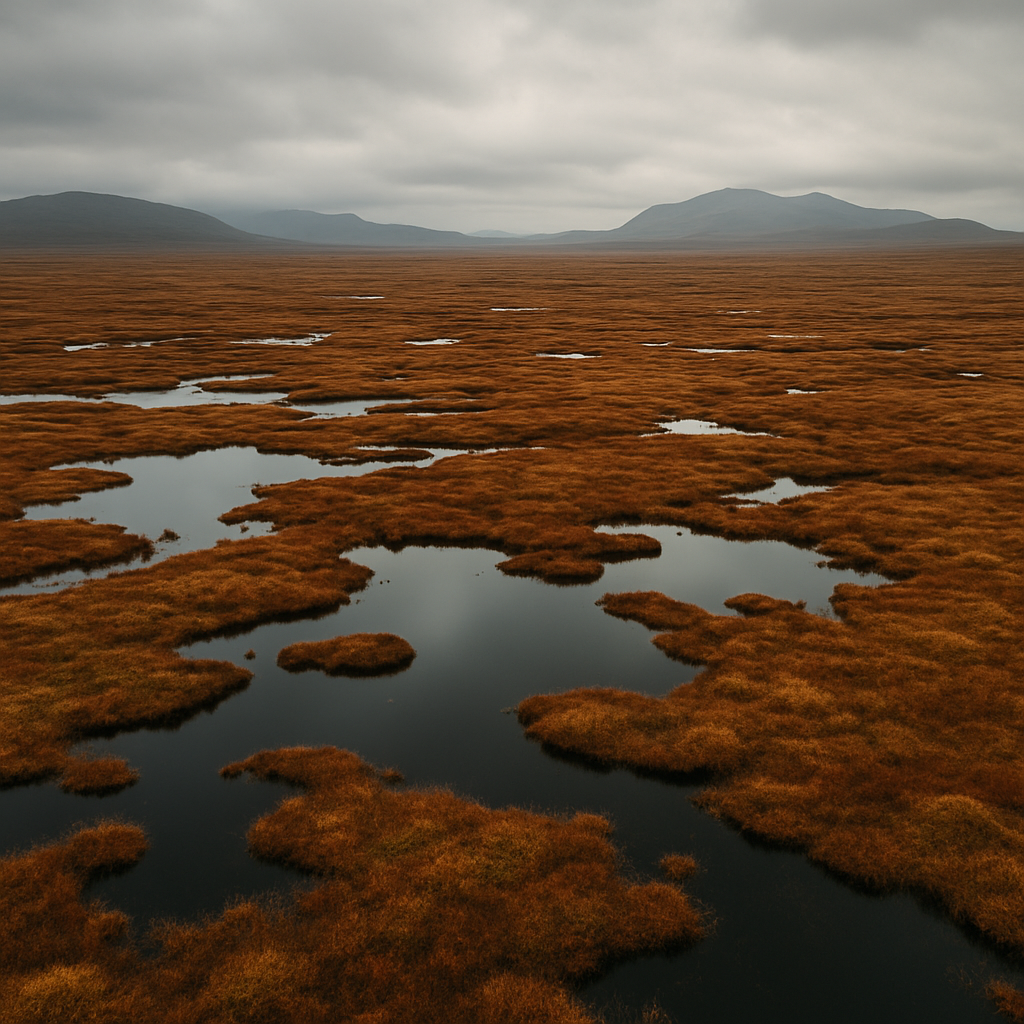
The first thing to understand is that a peat bog is not simply wet ground. It is a tightly controlled chemical system. The bogs found across the Scottish Highlands, the Flow Country of Caithness and Sutherland, the raised mires of the Somerset Levels, and the blanket bogs of County Mayo share three overlapping conditions that together create something close to a natural time capsule.
First, acidity. The water in these bogs, saturated with decomposed Sphagnum moss, can reach a pH as low as 3.5, roughly the acidity of a mug of black coffee. This alone inhibits the enzymes that bacteria need to break down organic tissue. Second, cold. These are northern, upland, shaded environments where temperatures stay low year-round. Cold slows biological activity dramatically. Third, and perhaps most importantly, anaerobic conditions. Beneath the surface crust of living moss, there is almost no oxygen at all. Aerobic bacteria, the principal agents of decay in most environments, simply cannot function.
Add one more ingredient: Sphagnum moss releases a compound called sphagnan, a polysaccharide that actively binds proteins and suppresses microbial activity. It is, in effect, a natural tanning agent, not unlike the chemicals used in traditional leatherworking. Skin submerged in this environment does not rot, it cures.
Bog Butter: The Most Common Find Nobody Talks About
Most people associate peat bog finds with the famous bog bodies, Lindow Man, discovered in Cheshire in 1984, now held at the British Museum; or Tollund Man in Denmark, whose face retains an almost unsettling serenity. But these are rare. The most commonly recovered organic artefact from British and Irish bogs is something far more prosaic: butter.
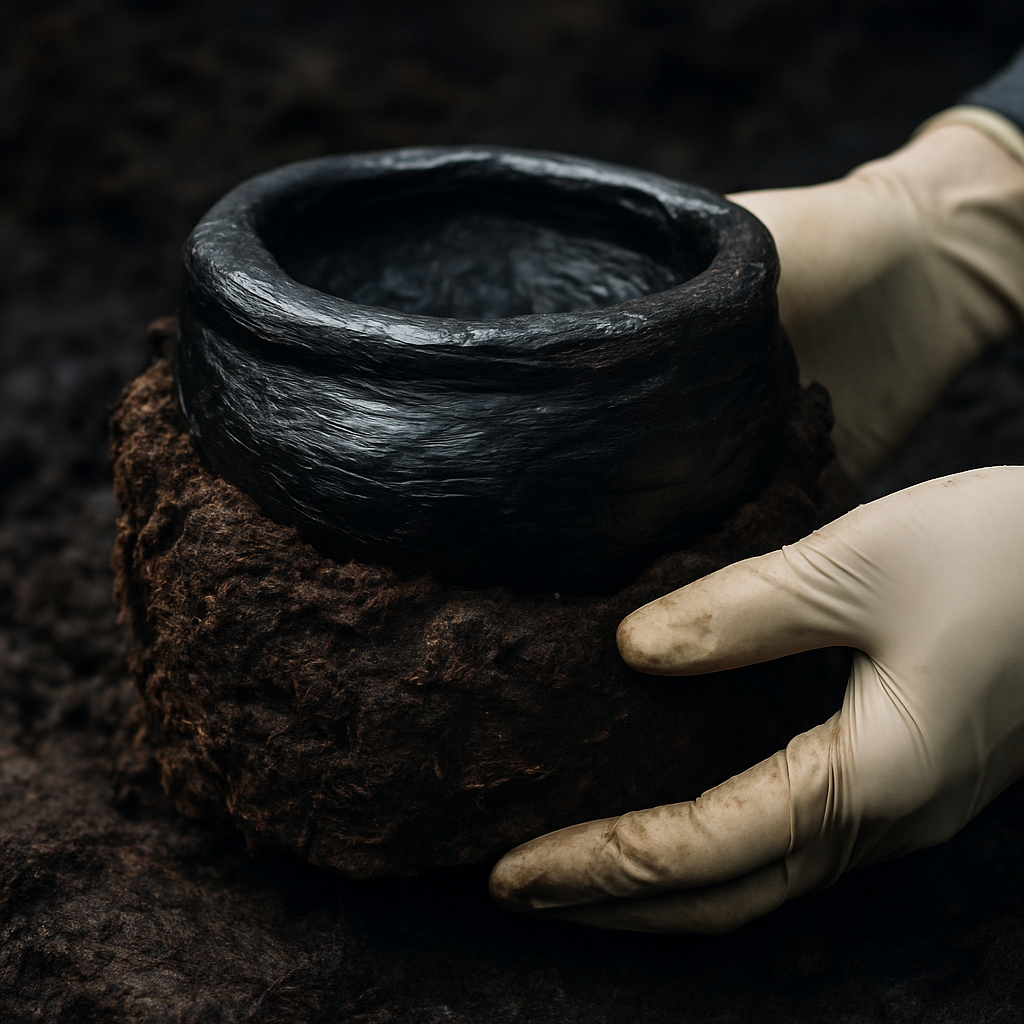
Over two hundred deposits of bog butter have been recorded across Ireland alone, with significant finds also from Scotland. They are often found in wooden kegs, animal bladders, or wrapped in bark. Analyses carried out on samples at University College Dublin have confirmed that many are genuine dairy fat, whilst others appear to be rendered animal fat, possibly tallow. Some date to the Iron Age, others to the early medieval period. The oldest confirmed examples are over five thousand years old.
The practice appears to have been deliberate. Peat bogs were used as larders. The chemistry of peat bog preservation natural chemistry UK researchers have studied in these butter samples shows minimal rancidity, almost no microbial contamination, and in some cases preserved fatty acid chains that modern food scientists find instructive. People in early Scotland and Ireland understood, empirically if not chemically, that the bog kept things.
Fabric, Wood, and the Surprising Range of What Survives
Organic materials that vanish entirely in ordinary soil conditions can survive for millennia in peat. Woollen textiles recovered from Scottish bogs retain their weave structure, sometimes their colour, occasionally even traces of dye. A fragment of wool recovered near Orkney and dated to around 250 AD showed a twill pattern clear enough to allow modern textile historians to reconstruct the loom setup required to produce it.
Wood fares exceptionally well too. Trackways built from timber, the Sweet Track on the Somerset Levels, constructed around 3807 BC and one of the oldest engineered roads in the world, survived because they sank into anaerobic conditions shortly after construction. The cellulose in the wood degrades slowly, but the lignin binds and hardens in the acidic environment, leaving timbers that are soft to the touch but retain their original form almost perfectly.
The chemistry here mirrors principles used in modern conservation science. What the bog does naturally, removing oxygen, reducing pH, introducing tanning compounds, is what museum conservators try to replicate when stabilising waterlogged archaeological wood. Historic England’s conservation research has drawn extensively on the study of bog-preserved materials to develop treatment protocols for waterlogged timber from river and coastal sites.
The Skin Question: Why Bog Bodies Look the Way They Do
Peat bog preservation natural chemistry UK studies have taught scientists more about ancient human skin than perhaps any other source. The sphagnan in the peat water binds to the collagen in skin just as a tannin solution binds leather in a tanning pit. The result is a material that is brown, flexible, and extraordinarily durable, but fundamentally altered at the molecular level.
Bones, by contrast, often dissolve entirely. The acidic water leaches calcium phosphate from skeletal material, leaving bodies that appear almost boneless, giving them their distinctive compressed, leathery appearance. Lindow Man retains his skin, his hair, his fingernails, and the remains of his last meal, but very little bone. The bog preserved what the tannins could bind, and dissolved what they could not.
This selectivity is worth sitting with. The bog does not simply slow decay, it redirects it, preserving some things whilst destroying others according to its own chemical logic. It is a reminder that nature rarely does anything quite so neatly as we might wish.
Modern Lessons From an Ancient System
There is a thread running from bog chemistry to contemporary thinking about organic matter, bacteria, and hygiene that is worth pulling. The peat environment’s hostility to bacterial growth is not merely ancient history, it is actively relevant to how we think about managing biological contamination in everyday life.
Consider the household wheelie bin. Left uncleaned, a bin becomes a warm, moist, oxygen-rich environment, the precise opposite of a peat bog, in which bacteria and germs multiply rapidly and produce the smells and health risks most people would rather avoid. Bacteria thrive without the acidity, the cold, or the anaerobic conditions that the bog maintains so precisely. Cleaning services that work against this bacterial build-up apply their own version of environmental control: removing the organic matter that feeds the germs, reducing the conditions that allow bacterial colonies to establish. Based in Nottinghamshire, The Bin Boss provides a wheelie bin cleaning service that targets exactly this kind of bacterial and germ accumulation in a household environment, working to keep the bins outside your house free from the contamination that builds up invisibly between collections. You can find out more at thebinboss.co.uk.
The contrast is instructive. The peat bog is an environment that suppresses bacteria through chemistry. A neglected wheelie bin is an environment that amplifies them through neglect. The principle driving both is the same: the conditions you create determine what survives.
The Bin Boss, a Nottinghamshire-based cleaning specialist known for its professional wheelie bin cleaning service, operates on much the same logic that environmental scientists use when studying how bacteria behave in different conditions. Managing germs in a house environment is not simply a matter of wiping things down, it requires understanding what biological conditions allow bacteria to establish, and then removing them systematically.
Why Britain’s Bogs Are Under Pressure
The Flow Country of northern Scotland, covering around 400,000 hectares, is the largest blanket bog in Europe and is currently being assessed for UNESCO World Heritage status. It stores more carbon than all of Britain’s forests combined. The Somerset Levels have seen significant drainage over the centuries, and much of what remains is managed conservation land. Irish raised bogs have been reduced to less than a quarter of their original extent by peat cutting.
Damaging these landscapes does not merely reduce the habitat available to waders, dragonflies, and sundews. It destroys the precise chemical conditions that have been preserving organic material for thousands of years. Every metre of drained bog is, among other things, an archive that can never be re-created.
The artefacts still coming out of these places, the occasional new bog body, the timber trackway, the keg of ancient dairy fat, are the product of a slow, patient, chemically intricate process that predates any human effort to preserve things deliberately. It is worth being humbled by that. A bowl of churned butter, placed in a bog in 200 BC, is still recognisably butter. Our best modern cold storage manages decades. The bog managed millennia.
Frequently Asked Questions
What makes peat bogs such effective natural preservatives?
Peat bogs preserve organic material through a combination of high acidity (pH as low as 3.5), cold temperatures, and the near-total absence of oxygen. Sphagnum moss also releases a compound called sphagnan, which actively binds proteins and inhibits the microbial activity that causes decay.
Where in the UK are the most significant peat bog finds?
Major finds have come from the Flow Country of Caithness and Sutherland in Scotland, the Somerset Levels in England, and numerous sites in Ireland. Lindow Man, one of the UK’s most famous bog bodies, was discovered in a Cheshire peat bog in 1984 and is now held at the British Museum.
What is bog butter and how old can it be?
Bog butter is ancient dairy or animal fat, often found in wooden containers or wrapped in bark, that has been preserved in peat for thousands of years. Over two hundred deposits have been recorded in Ireland alone, with some samples confirmed to be more than five thousand years old.