

Walk down to a Highland or West Country river after a wet November and you will see it: bridge piers and boulders stained a deep tea-brown at the waterline and below. Anglers, walkers and anyone who cares for old stonework meet this peat river tannin stain on stone across the UK every autumn, when rain flushes the moors and the water runs the colour of strong brew. The stain is mostly dissolved plant matter from peat soils, not dirt, and on sound stone it does little harm.
What is the brown stain on stone in peat-fed rivers?
The brown film on submerged stone in peat-fed rivers is mainly tannins and related humic and fulvic compounds, released as peat and moorland vegetation slowly break down. Rain carries them into streams as dissolved organic carbon, and rivers draining upland bog, such as the Spey in the Highlands or the Exe and Taw off Exmoor and Dartmoor, carry plenty of it. The water looks black in a deep pool and amber in a shallow run.
Where the water meets stone, some of that colour stays behind. Pale granite, sandstone and limestone soak up the compounds, and they bind to iron and manganese in the rock and to the thin biological slime that coats almost every submerged surface. The result is a dark, slightly glossy skin, thickest where the water lingers or the level rises and falls.
Why do some stones stain more than others?
Porous, rough and iron-bearing stones take up the most colour, while dense, polished or fast-scoured surfaces stay cleaner. A coarse sandstone pier gives tannins thousands of tiny pockets to settle in. A smooth, tightly crystalline granite boulder in a fast riffle may only carry a faint tint.
Three things decide how dark the stain gets:
- How peaty the catchment is, and how much recent rain has flushed it.
- The acidity of the water, since the compounds bind more readily in low pH.
- How often the stone is wetted and dried, because the band between low and high water collects the most.
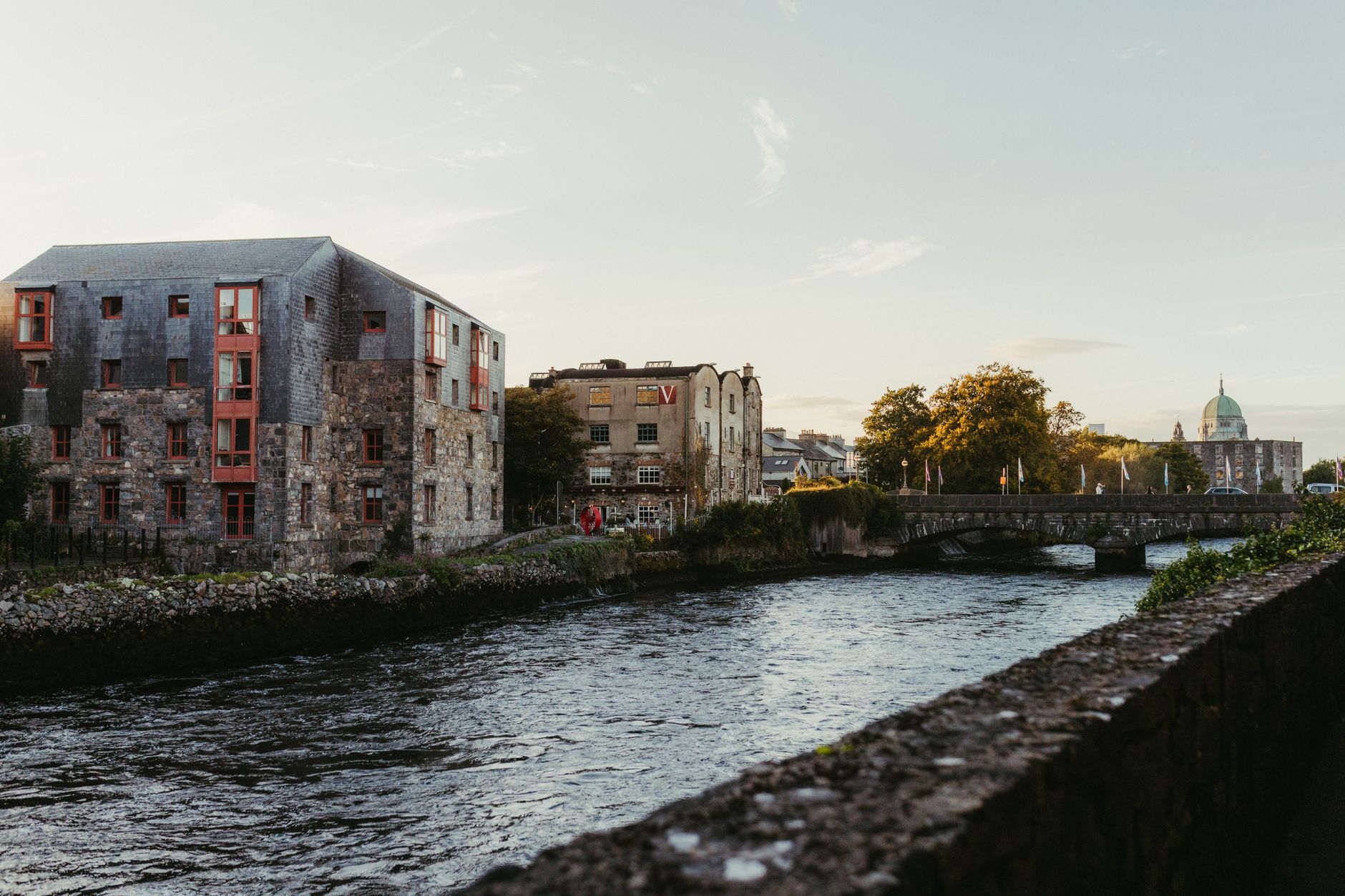
That is why you often see a clear tide-line on old bridge piers, a dark band marking the usual summer level and a paler zone above where only spates reach.
Is the stain damaging the stonework?
Tannin staining is largely cosmetic and, if anything, mildly protective. The film is thin, and it sits alongside the algae and bacterial biofilm that already cover riverbed stone. If you want to understand that living layer, our piece on biofilms in the world’s rivers is a good companion read.
The real threats to old bridge masonry are different: scour around the foundations, freeze and thaw, failed pointing and flood debris. The brown colour tells you nothing about any of them. If anything it hides fresh cracks and loose joints, so a stained pier needs inspecting just as carefully as a clean one.
Peat-stained water is also soft and acidic. Over very long periods that can slowly etch calcium-rich stone such as limestone, though the effect is far gentler than the salt and pollution damage seen elsewhere. Dartmoor’s old granite clapper bridges, which you can read about in our piece on why they have lasted eight centuries, sit in some of the most peaty water in England and show how well hard stone copes.
Why does it matter more now?
Brown water has been getting browner. Research across the northern hemisphere, including upland Britain, has documented a long-term rise in dissolved organic carbon in lakes and rivers since the 1980s. Scientists have linked this largely to recovery from acid rain, along with changes in rainfall and temperature. Wetter autumns flush more of it out of the hills at once, which is why November rivers look so dark.
For anyone caring for a riverside wall, mill or bridge, that means the stain is likely to be a permanent feature of the place, not a passing phase. It also matters for water companies, because the colour is expensive to remove from drinking water.
Should you try to clean it off?
In most cases, no. Scrubbing or pressure washing wet, stained stone risks stripping the surface, and the colour will return with the next spate. Heritage bodies such as Historic England generally advise the gentlest method that works and discourage aggressive cleaning of historic masonry. If a stained structure is listed or part of a scheduled site, you will need consent for anything beyond basic maintenance.
If you simply want to enjoy it, go in the right light. Low November sun through a pool of peaty water, with the dark band of stain on a pale pier above it, is one of the better small sights of the British autumn.
Where to see it best
The upper Spey and its tributaries show the effect on granite and schist boulders. On Exmoor and Dartmoor, the headwaters of the Exe and Taw give you the classic combination of amber water and stained stone. Go a day or two after heavy rain, when the water is at its darkest, and look at where the stain stops on the stone. That line is a map of the river’s usual levels.
Take a small notebook and a photograph of the same pier each season. A year of notes will show you how the band moves with the weather.



Leave a Reply