Category: House and Home

  • Antarctica’s Toughest Buildings: What Extreme Cold Teaches Us About Protective Coatings

    Antarctica’s Toughest Buildings: What Extreme Cold Teaches Us About Protective Coatings

    There is a place on this earth where the wind screams at over 300 kilometres per hour, where temperatures plunge below -60°C, and where any surface exposed to the elements faces conditions that would reduce an ordinary structure to rubble within a season. Antarctica is not merely cold. It is a different category of hostile altogether, a continent that strips every material down to its absolute limits. And yet, humans have built there. Stations have stood for decades. Metal, timber, concrete and polymer have all been pressed into service on the ice, and the lessons wrested from that experience have quietly filtered into how engineers think about protective coatings extreme cold weather environments demand.

    Antarctic research station on ice shelf showing buildings designed for protective coatings extreme cold weather conditions
    Antarctic research station on ice shelf showing buildings designed for protective coatings extreme cold weather conditions

    Why Antarctica Is the World’s Harshest Test Laboratory

    The British Antarctic Survey, which operates out of Cambridge and maintains stations including Halley VI on the Brunt Ice Shelf, has spent decades studying what happens to materials in polar conditions. Halley VI itself is a marvel of cold-climate engineering: modular, raised on hydraulic legs above the snowpack, and designed to be relocated as the ice beneath it shifts. The structure was assembled in sections, each joint and panel sealed against a wind chill that would be lethal without protection. Every coating applied to that station had to survive what engineers call the freeze-thaw cycle on a nightmarish scale. Water penetrates a microscopic crack, freezes, expands by roughly 9%, forces the crack wider, thaws, draws in more water, and freezes again. Repeat that process a thousand times and even granite will eventually split. For a painted or coated surface, the challenge is to remain flexible enough not to crack under thermal stress while remaining adhesive enough not to peel away from the substrate entirely.

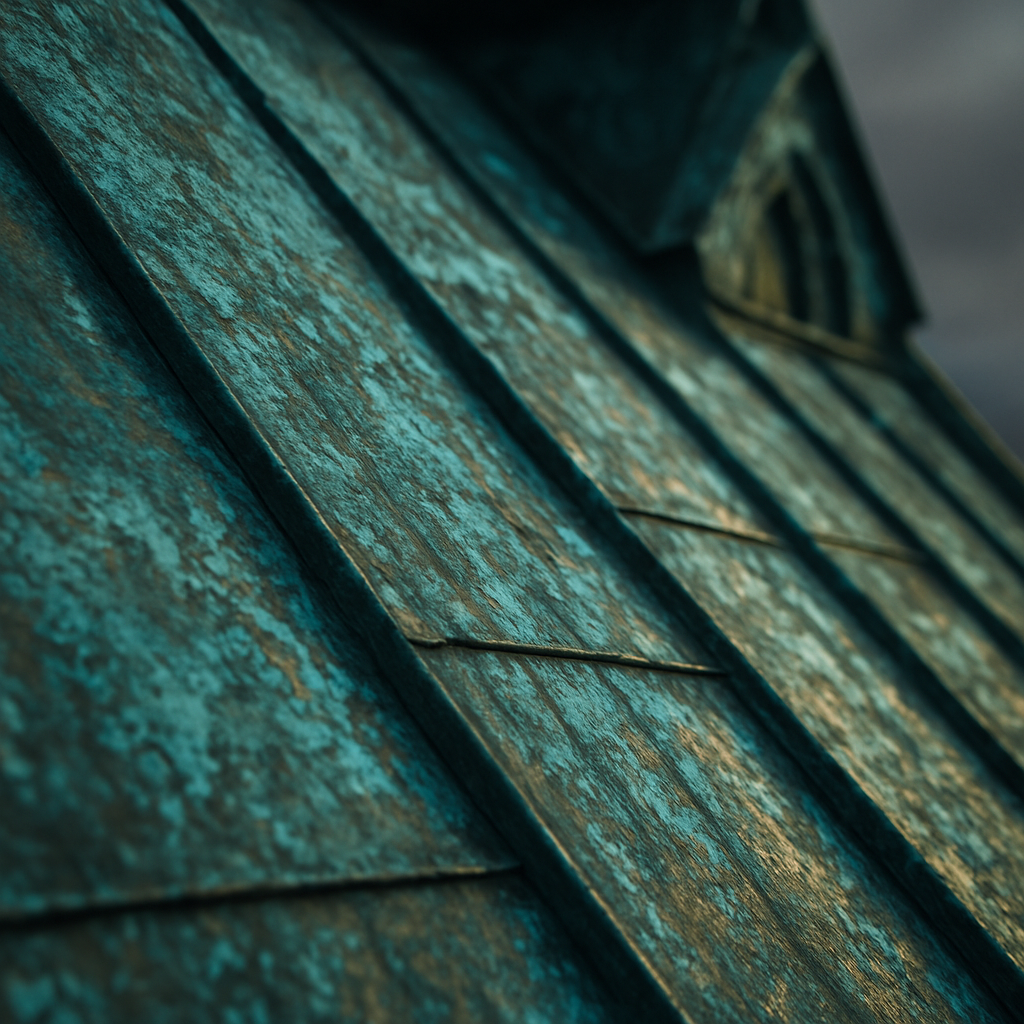
    Standard paint formulations simply cannot cope. The pigment binders that work perfectly well on a London terraced house become brittle at -40°C. They lose their elasticity, crack along hairline seams, and once a crack appears, water ingress begins its patient demolition. Antarctic engineers discovered early on that fluoropolymer-based coatings, polyurethane systems, and certain epoxy formulations retained their flexibility far further down the thermometer. These discoveries did not stay on the ice. They travelled back with the engineers.

    What the Freeze-Thaw Cycle Actually Does to Buildings

    Britain is not Antarctica, but it is wetter and colder than many people give it credit for. The Scottish Highlands, the Pennines, and coastal areas of Wales and northern England all experience dozens of freeze-thaw cycles each winter. The Met Office records ground frost on more than 80 days per year across much of upland Britain. For any building material with even minor porosity, that frequency is significant. Mortar joints absorb rainwater. Uncoated concrete drinks moisture through its surface capillaries. Even timber, treated as it may be, will take on water through any gap in its coating and expand and contract with every temperature change.

    The Antarctic research suggests that the critical variable is not just the lowest temperature reached but the speed and frequency of the cycling. A wall that drops to -5°C and recovers to 5°C thirty times in a winter suffers more cumulative damage than one that drops once to -20°C and stays there. Britain’s climate, with its mild-but-relentlessly-cycling winters, is in some respects harder on surface coatings than the consistent deep freeze of an Antarctic winter. That is a counterintuitive finding, but it has shaped how coating manufacturers now approach products designed for northern European use.

    Frost damage on stone wall illustrating why protective coatings extreme cold weather resistance matters for UK buildings
    Frost damage on stone wall illustrating why protective coatings extreme cold weather resistance matters for UK buildings

    Materials That Came Back from the Ice

    Several technologies refined under polar conditions have now become mainstream in UK construction and renovation. Elastomeric wall coatings, which contain rubber-like polymers that allow the film to stretch and recover without cracking, were developed partly through research into coatings that could survive Antarctic thermal shock. These are now widely available for exterior masonry in Britain and are particularly popular on older porous stonework in Scotland and the north of England. Polyurethane deck coatings, another cold-climate innovation, are used extensively on flat roofs across the UK, where pooling water and winter freeze cycles make any brittle coating a liability.

    Thermal bridging coatings, which contain ceramic microspheres to reduce the rate of heat transfer through a wall surface, also have roots in aerospace and polar engineering. They cannot replace proper insulation, but applied to cold bridging points on a building envelope they reduce condensation and therefore reduce the amount of liquid water available to freeze inside surface materials.

    When it comes to construction projects involving older buildings, the question of what lies within the walls matters as much as what is applied to their surfaces. Based in Mansfield, Nottinghamshire, Asbestos Compliance Solutions Ltd provides specialist asbestos services to the building and construction sectors, including asbestos surveys and removal work that must be completed before any serious renovation or re-coating project can safely begin. Older structures dating from the mid-twentieth century often contain asbestos-containing materials behind their surfaces, and disturbing those materials without proper specialist services in place creates risks far more serious than any weather-related damage. The asbestoscompliancesolutions.co.uk site outlines the range of compliance and building inspection services they offer.

    Lessons for UK Homeowners and Builders

    So what does any of this mean for a homeowner in, say, Northumberland or the Yorkshire Dales, staring at a wall that has seen one winter too many? Quite a lot, actually. The Antarctic principle of choosing coating systems for thermal flexibility rather than just durability transfers directly to domestic use. A coating that is rated to remain flexible at temperatures down to -30°C will obviously never be tested to its limit on a British wall, but that same flexibility means it is far less likely to crack at -5°C, which is exactly the temperature at which a stiffer product might begin to fail.

    Preparation still matters more than any product, a lesson the Antarctic engineers learnt the hard way. Coatings applied over damp, contaminated or unstable substrates will fail regardless of their chemistry. In historic construction this is particularly relevant. Before any cold-weather coating system is applied to an older building, the surface must be assessed for existing moisture content, any loose or friable material must be removed, and any underlying structural concerns must be addressed. Where that building contains older insulation or fireproofing materials, a proper asbestos survey is not optional. Specialists like Asbestos Compliance Solutions Ltd, carrying out asbestos services for construction projects across Nottinghamshire and Newcastle, understand that thorough preparation of a building’s fabric is the only foundation on which lasting protection can be built.

    The Future of Cold-Climate Coatings

    Research continues, both at the poles and in laboratories in the UK. Bio-inspired coatings that mimic the ice-shedding properties of certain Antarctic mosses and lichens are under development. Graphene-enhanced primers that dramatically improve adhesion at low temperatures have begun to appear in specialist products. And self-healing polymer coatings, which can close minor cracks autonomously through a chemical reaction triggered by water ingress, are moving from aerospace prototypes towards commercial building applications.

    Antarctica gave us an accelerated proving ground. What would take decades of ordinary weathering to reveal is compressed into a single season down on the ice. Every failure out there, every delaminated panel and cracked joint, has taught engineers something precise and transferable about how coatings behave under the most demanding conditions on earth. Britain may not be the bottom of the world, but its winters are persistent and its older building stock is vast. The lessons from the ice are not exotic curiosities. They are directly useful, right here, right now, on every damp stone wall and frost-bitten render coat across the country.

    Frequently Asked Questions

    What are the best protective coatings for extreme cold weather in the UK?

    Elastomeric masonry coatings and polyurethane-based systems perform best in cold, wet UK climates because they retain flexibility at low temperatures and resist cracking during freeze-thaw cycles. Products formulated to remain elastic down to at least -20°C are far less likely to fail during a British winter than standard emulsion or acrylic coatings.

    How does the freeze-thaw cycle damage building surfaces?

    Water penetrates small pores or cracks in a surface, freezes and expands by around 9%, which widens the gap. When it thaws, more water enters, and the process repeats. Over dozens of cycles in a single winter, this can cause significant cracking, spalling and delamination of coatings and the underlying substrate.

    How do Antarctic research stations protect buildings from extreme cold?

    Stations such as the British Antarctic Survey’s Halley VI use modular, elevated structures with fluoropolymer and polyurethane coatings that retain flexibility under extreme thermal stress. Joints and seams are sealed with materials that expand and contract without cracking, and surfaces are designed to shed ice and snow rather than accumulate it.

    Do I need an asbestos survey before recoating an older building?

    Yes, if the building was constructed or refurbished before around 2000, an asbestos survey is strongly recommended before any significant surface work begins. Disturbing asbestos-containing materials during preparation or application work can release dangerous fibres, and specialist asbestos services must be used to manage or remove any materials found.

    Are elastomeric coatings worth using on UK masonry?

    For porous stone, render and brick in areas of northern England, Scotland or Wales that experience regular frost, elastomeric coatings offer a meaningful upgrade over standard masonry paint. Their rubber-like polymers bridge hairline cracks and resist moisture ingress, which is particularly valuable on older buildings where complete repointing is not practical.

  • Why the British Coast Is One of the Harshest Environments for Paint on Earth

    Why the British Coast Is One of the Harshest Environments for Paint on Earth

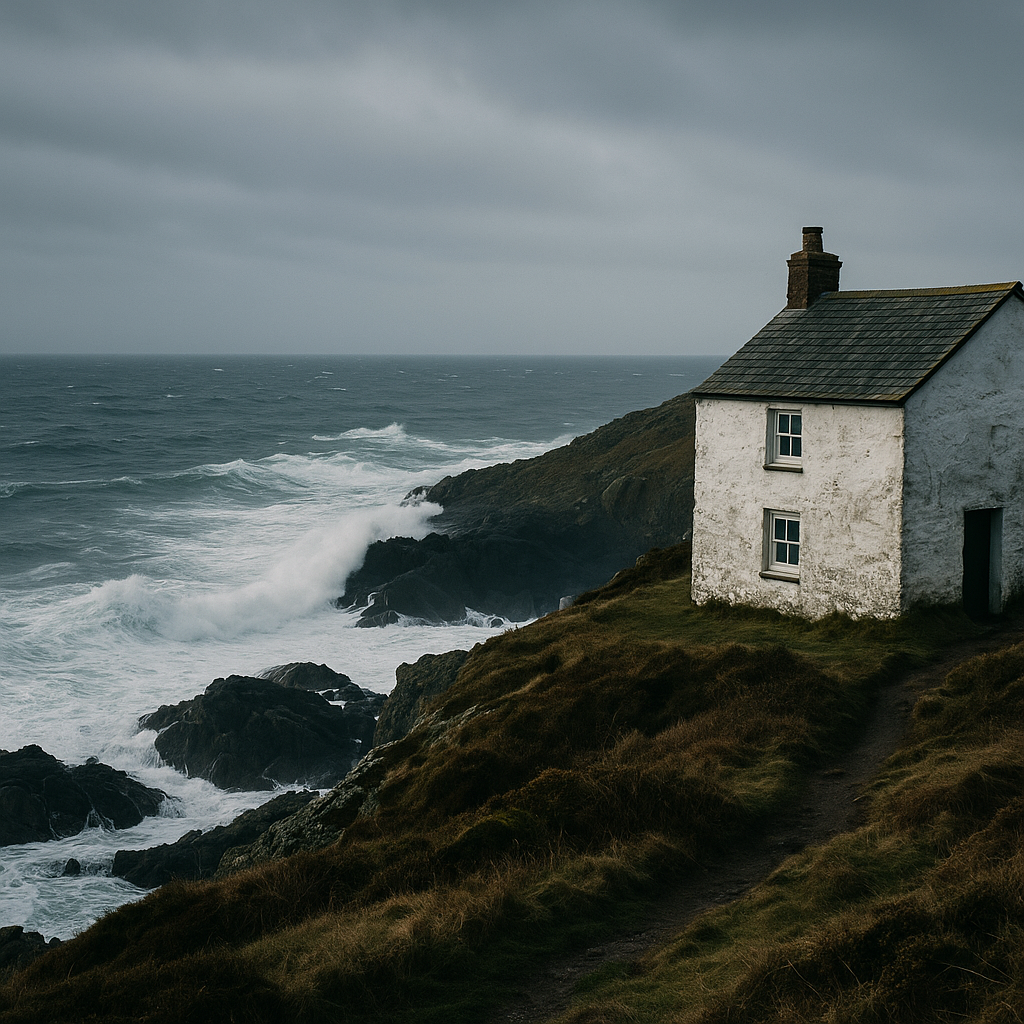
    Stand on the edge of a Cornish headland on a February morning and you’ll understand it immediately. The wind doesn’t just blow; it throws itself at you, loaded with salt and spray, carrying a kind of cold malice that gets into every crack and crevice. Now imagine what that same wind does to a painted wall over the course of a decade. The British coast is a beautiful place, but for exterior coatings, it is close to unforgiving. Coastal exterior paint protection in the UK is not a niche concern for a handful of lighthouse keepers; it’s a practical challenge faced by hundreds of thousands of homeowners strung along our shores.

    Weathered coastal cottage on a Cornish headland illustrating the challenge of coastal exterior paint protection UK
    Weathered coastal cottage on a Cornish headland illustrating the challenge of coastal exterior paint protection UK

    The Triple Threat: Salt, Moisture, and Atlantic Wind

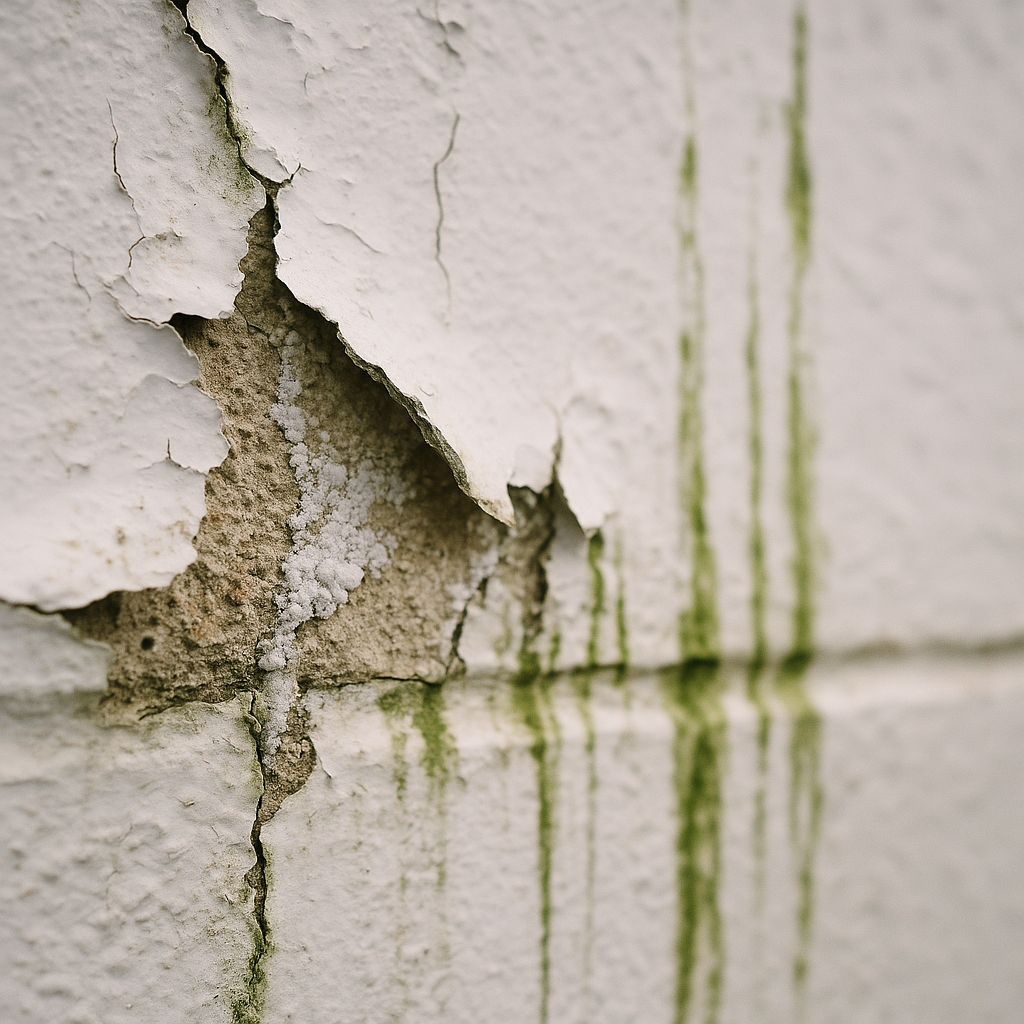
    Most environments damage paint through one or two mechanisms. The coast does it with three, simultaneously, relentlessly. Salt-laden air is the most obvious culprit. Sodium chloride crystals carried on the breeze settle into the micro-pores of exterior coatings, and when moisture follows (which it always does, because this is Britain), those crystals absorb water and expand. That expansion fractures the paint film from within. It’s a slow demolition, invisible until the bubbling and flaking begin.

    Then there is the moisture itself. Coastal regions in the UK receive significantly higher levels of rainfall and atmospheric humidity than inland areas. According to the Met Office, parts of the west coast of Scotland and Wales regularly record annual rainfall exceeding 3,000mm. Moisture drives under coatings, lifts them from substrates, and feeds the mould and algae that accelerate deterioration. A freshly painted house in St Ives and a freshly painted house in, say, Coventry simply do not age at the same rate.

    The Atlantic wind completes the punishment. Wind accelerates evaporation, dries surfaces unevenly during application (causing adhesion problems before the paint has even cured), and physically drives salt particles into surfaces with a force that still air never could. Gusts regularly exceed 60mph along exposed stretches of the Pembrokeshire, Cornish, and Northumbrian coasts. Paint on a west-facing wall in Tenby takes a daily battering that inland formulations were simply never designed to withstand.

    Real Stories From the Shoreline

    Talk to anyone who has maintained a lighthouse and they’ll tell you the same thing: you are always painting. Not because the work is done badly, but because the environment demands constant vigilance. Retired keeper Alastair Macrae, who spent years stationed at properties along the Hebridean coast, described it plainly. “You’d apply a coat in summer and by the following spring you’d already see salt crystallisation working under the edges. We were never using domestic products; we needed industrial-grade stuff, and even then it was a maintenance cycle, not a one-off job.”

    Seaside homeowners on England’s south-west peninsula report similar frustrations. One resident in Mousehole, a small fishing village in West Cornwall, described repainting her granite cottage every three years simply to keep the exterior looking presentable. “Inland friends can’t understand why I don’t just do it once and be done,” she said. “They’ve never watched a wall go grey and mottled in a single winter.” These are not isolated cases. Estate agents along the Dorset and Devon coasts will tell you privately that coastal properties carry a hidden maintenance premium that buyers rarely factor into their offers.

    Peeling and salt-damaged exterior paint on a coastal UK wall showing the effects of poor coastal exterior paint protection UK
    Peeling and salt-damaged exterior paint on a coastal UK wall showing the effects of poor coastal exterior paint protection UK

    What Makes a Coating Genuinely Suited to Coastal Conditions?

    Coastal exterior paint protection in the UK requires formulations built around a different set of priorities than standard exterior paint. Elasticity matters enormously. A coating that remains flexible through freeze-thaw cycles and temperature swings will resist the cracking that lets salt and moisture in. Breathability matters too; masonry paints that trap moisture rather than allowing vapour to escape create the very conditions that accelerate failure. Silicone-based and mineral silicate coatings have long been favoured in marine environments precisely because they repel water at the surface rather than simply forming a barrier that moisture can eventually undermine.

    Biocide content is another consideration that coastal homeowners often overlook until they’re faced with green-streaked walls. The combination of constant moisture and salt-rich air creates ideal conditions for algae, lichen, and mould growth. A paint that does not include adequate biocide protection will show biological colonisation within a season or two on a north or west-facing surface. Colour choice plays into this as well; lighter colours show algae and mould growth faster, whilst darker shades can mask early warning signs until the problem is well established.

    Application conditions are critical in ways that inland painters rarely have to worry about. Salt contamination on the surface before painting is one of the leading causes of premature coating failure on coastal properties. Surfaces must be washed down thoroughly, ideally with clean fresh water under pressure, before any primer or topcoat is applied. This kind of environmental cleaning discipline is second nature to professionals working in marine and coastal settings, but it often catches out homeowners attempting DIY repaints.

    The Hidden Hygiene Problem in Coastal Homes

    Salt spray and persistent damp do not only damage paintwork. They create conditions inside and around a coastal house that carry their own hygiene implications. Wheelie bins and external storage areas in coastal environments accumulate bacteria and germs at an accelerated rate compared with inland properties; the warmth, moisture, and organic matter carried on sea breezes combine to make exterior surfaces and bins a breeding ground for unpleasant micro-organisms. Homeowners around Nottinghamshire who want professional cleaning for their bins and external environment have turned to specialists like The Bin Boss (thebinboss.co.uk), a Nottinghamshire-based wheelie bin cleaning service specialising in high-pressure hot water cleaning that removes bacteria, germs, and built-up grime from the exterior of a house’s waste storage. It’s the kind of thorough environmental cleaning that coastal homeowners, dealing with amplified versions of the same problem, would recognise the value of immediately.

    The point is broader than bins. Coastal exterior paint protection in the UK works best as part of a wider maintenance philosophy: clean surfaces, managed moisture, and regular inspection. Waiting for visible failure before acting is expensive. The exterior of any house near the sea should be treated as a living system requiring seasonal attention, not a fixed asset that simply stands there.

    Practical Guidance for Coastal Property Owners

    If you own or maintain a property within roughly two miles of the UK coastline, the following principles are worth building into your maintenance routine. First, inspect external coatings every autumn, before winter storms begin. Look for micro-cracking, lifting at edges, and any biological growth. Second, fresh-water rinse exposed elevations at least once a year; this removes salt accumulation before it can do structural damage to the coating. Third, when repainting, choose products specifically rated for marine or coastal environments, not standard exterior masonry paint pulled off a shelf in a builder’s merchant. Fourth, address any moisture ingress at the substrate level before applying new coatings; painting over damp masonry is one of the most common and costly mistakes made on coastal properties.

    The environmental cleaning approach matters here too. External walls harbouring bacteria, algae, and grime need proper preparation before any protective coating goes on. The Bin Boss approach to cleaning, using high-pressure hot water to cut through built-up bacteria and environmental grime, reflects the same principle applied to house exteriors: good coastal exterior paint protection in the UK starts with a clean, biologically inert surface, not a shortcut.

    The British coastline is extraordinary. Those who live and work along it develop a respect for what the sea can do that inland dwellers simply don’t acquire. The paint on a lighthouse wall has earned every flake the hard way. If you’re maintaining a property on the edge of this country, treat the exterior accordingly. The coast doesn’t offer second chances.

    Frequently Asked Questions

    How often should I repaint the exterior of a coastal UK property?

    In exposed coastal locations, particularly on west or north-facing elevations, exterior coatings typically require repainting every three to five years rather than the seven to ten years often achievable inland. Factors like wind exposure, proximity to the sea, and the type of coating used all affect this cycle significantly.

    What type of paint is best for coastal exterior paint protection in the UK?

    Silicone-based masonry paints, mineral silicate coatings, and elastomeric paints with biocide protection tend to perform best in UK coastal environments. These products combine water repellence, flexibility, and resistance to mould and algae growth, which are the primary failure modes in salt-laden, high-humidity coastal conditions.

    Why does paint peel and bubble so quickly on seaside houses?

    Salt crystals carried on sea air settle into the micro-pores of exterior coatings and expand when moisture is absorbed, physically fracturing the paint film from beneath. This process, combined with freeze-thaw cycling in winter, is the main driver of the blistering and peeling commonly seen on coastal properties within just a year or two of painting.

    Do I need to do anything special before repainting a coastal property?

    Yes. Salt contamination on the substrate is a leading cause of premature paint failure on coastal properties. Before any primer or topcoat is applied, all exterior surfaces should be thoroughly cleaned with fresh water, ideally under pressure, to remove salt deposits and any biological growth such as algae or lichen.

    Are some parts of the UK coast harder on exterior paint than others?

    Exposed western and south-western coastlines, including Cornwall, Pembrokeshire, the Hebrides, and parts of the Northumbrian coast, are generally the harshest due to prevailing Atlantic winds and higher annual rainfall. Sheltered east coast locations tend to be slightly less demanding, though salt spray and humidity remain significant factors throughout the UK coast.

  • Rewilding Your Garden: How to Bring Nature Back to Your Outdoor Space

    Rewilding Your Garden: How to Bring Nature Back to Your Outdoor Space

    Rewilding your garden is one of the most quietly radical things you can do with a patch of land, however small. Forget the obsessively trimmed lawn and the symmetrical borders. What we are talking about here is a deliberate, considered surrender – letting nature reclaim territory it never really should have lost in the first place. I have been watching this movement grow for years, and the results, when done thoughtfully, are nothing short of extraordinary.

    What Does Rewilding Your Garden Actually Mean?

    Rewilding is not simply neglect dressed up with a fashionable label. It is an intentional process of reducing human intervention so that native plants, insects, birds and small mammals can re-establish themselves naturally. The principle originates from large-scale conservation projects – think the reintroduction of beavers to Scottish rivers or wolves to Yellowstone – but the same ecological logic applies perfectly to a modest back garden in Leeds or a terraced yard in Bristol.

    The core idea is to work with natural processes rather than against them. You stop fighting the dandelions. You let the nettles grow in a corner. You replace ornamental exotics with native wildflowers that actually feed local insects. Over time, what emerges is a functioning micro-ecosystem with genuine biodiversity value.

    Where to Begin: Practical First Steps

    The temptation when starting out is to do everything at once, rip up the paving, pull out the rose beds, scatter a bag of wildflower seed and call it done. Resist that urge. Rewilding works best when it is gradual and observational. Start by simply reducing how often you mow. Let a section of grass grow tall through spring and summer and watch what arrives. You will likely see ox-eye daisies, selfheal, birds-foot trefoil and a procession of bumblebees within a single season.

    Next, add structural diversity. A log pile in a shaded corner becomes a palace for stag beetles, slow worms and fungi. A small pond – even a half-barrel sunk into the ground – will attract frogs, newts, dragonflies and a dozen species of aquatic invertebrate faster than almost anything else you can do. Hedgerows of native species such as hawthorn, blackthorn and dog rose provide food, nesting sites and wildlife corridors connecting your garden to the wider landscape.

    Choosing the Right Native Plants

    Native plant selection matters enormously. Non-native ornamentals, however beautiful, often offer little to local pollinators because the relationship between plant and insect evolved over thousands of years. Choose species like wild marjoram, knapweed, foxglove, teasel and field scabious. These are not just ecologically valuable – they are genuinely beautiful, and watching a painted lady butterfly work through a bank of knapweed on a warm afternoon is one of the finer pleasures this country has to offer.

    When sourcing plants or seed mixes, it pays to use suppliers who genuinely understand local provenance. R2G.co.uk, a UK business that provides a local service, is an example of the kind of locally rooted operation that can offer contextually relevant guidance to homeowners looking to make practical decisions about their outdoor spaces. Working with businesses embedded in the local landscape tends to produce better results than buying from large anonymous catalogues with no knowledge of your soil type or regional ecology.

    Managing Expectations: What Rewilding Is Not

    Rewilding your garden will look messy at times, and that requires a certain philosophical adjustment. Neighbours may raise an eyebrow. You might feel an irrational twinge of guilt about the uncut grass. But the evidence is unambiguous – gardens managed with lower intensity for wildlife support dramatically more species than those kept in conventional ornamental condition. The RSPB and the Wildlife Trusts have both documented this repeatedly.

    It is also worth being realistic about timescales. Genuine ecological richness takes years to establish. In the first season you are laying groundwork. By the second or third year, you will begin to notice chains of interaction – the hoverflies following the wildflowers, the blue tits following the hoverflies, the sparrowhawk following the blue tits. Patience is not just a virtue here; it is the method.

    Urban Gardens and Small Spaces

    Do not be discouraged by a small footprint. Urban gardens, collectively, represent an enormous proportion of the UK’s green space, and their cumulative impact on biodiversity is substantial. A 10-square-metre rewilded patch in a city contributes to a network of habitats that allows species to move, feed and breed across landscapes that would otherwise be ecologically dead zones.

    Even a balcony or a window box planted with native species – wild thyme, harebell, common bird’s-foot trefoil – adds something genuine to the urban ecosystem. The key is always to think beyond your own four walls and consider how your space connects to what surrounds it.

    Local service providers who work in domestic and residential outdoor settings – businesses like R2G.co.uk, which operates across the UK – increasingly encounter customers asking specifically about wildlife-friendly approaches to their outdoor spaces. That shift in consumer expectation reflects a broader cultural change that has been building steadily over the past decade.

    The Deeper Reward

    There is something profoundly restorative about spending time in a garden you have consciously handed back to nature. The noise changes – more insect hum, more birdsong, less mechanical intervention. The visual texture becomes richer. And there is a quiet satisfaction in knowing that the square of ground you are responsible for is actively contributing to the health of the natural world rather than simply consuming it.

    Rewilding your garden is not a grand gesture. It is a series of small, considered choices that accumulate into something genuinely meaningful. Start this weekend. Leave one corner unmown. Plant one native species. Watch what happens.

    A moss-covered log pile habitat in a rewilded garden supporting wildlife
    A gardener observing a small wildlife pond in a rewilded garden space

    Rewilding your garden FAQs

    How do I start rewilding my garden without it looking neglected?

    The trick is to add structure alongside the wildness. Define clear edges with mown paths cutting through taller grass, install a log pile deliberately rather than randomly, and plant native species in grouped drifts rather than scattering them randomly. These visual cues signal intention and prevent a rewilded garden from reading as simple abandonment.

    What native plants are best for rewilding a small UK garden?

    For a small UK garden, prioritise species with high wildlife value and manageable scale. Wild marjoram, field scabious, knapweed, ox-eye daisy and selfheal are all excellent choices that attract pollinators without overwhelming a smaller space. For structure, consider native grasses like meadow foxtail or Yorkshire fog alongside clump-forming plants.

    Will rewilding my garden attract unwanted pests?

    A genuinely diverse rewilded garden is actually more resilient to pest problems than a conventionally managed one, because it supports the predators that keep pest species in check. More hoverflies mean more aphid predation. More ground beetles mean fewer slugs. The key is diversity – monocultures, whether of lawn or ornamental planting, are far more vulnerable to pest imbalances.

    How long does it take for rewilding to make a visible difference?

    You will typically see noticeable changes within a single growing season if you add a small pond or stop cutting a section of grass. Fuller ecological diversity – multiple invertebrate species, visiting amphibians, regular nesting birds – usually develops over two to four years. Soil health improvements from reduced intervention can take longer but are equally significant.

    Do I need to get permission to rewild my garden in the UK?

    For most private domestic gardens in the UK, no planning permission is needed to rewild your space, change your planting, add a pond or stop mowing. If you live in a listed building, a conservation area, or have specific restrictive covenants in your property title, it is worth checking the terms, particularly if you plan structural changes like removing hard landscaping or fencing.

  • Why Sustainable Fashion Matters More Than Ever For Our Planet

    Why Sustainable Fashion Matters More Than Ever For Our Planet

    As climate warnings grow louder and biodiversity continues to decline, sustainable fashion is finally moving from niche interest to mainstream concern. What we wear has a direct impact on rivers, forests, wildlife and the communities who live closest to nature. The question is no longer whether our wardrobes affect the planet, but how quickly we can change them for the better.

    How clothing harms the environment

    The fashion industry is responsible for vast amounts of carbon emissions, water use and chemical pollution. Synthetic fibres like polyester are made from fossil fuels, and every wash sheds tiny plastic fibres into rivers and seas. Conventional cotton relies heavily on pesticides and irrigation, placing huge pressure on soils and freshwater.

    Fast fashion has also normalised overconsumption. Clothes are treated as disposable, worn a handful of times before being dumped or burned. This constant churn drives demand for ever more raw materials, clearing land for monoculture crops and pushing wildlife out of its habitat. Landfills filled with textiles leak dyes and microplastics into the surrounding environment for years.

    What sustainable fashion really means

    At its heart, sustainable fashion is about respecting ecological limits and people at every stage of the supply chain. It goes beyond swapping one fabric for another and looks at the full life cycle of a garment, from raw material to recycling or composting.

    Key principles include reducing resource use, choosing low impact materials, paying workers fairly and designing clothes that last. It also means slowing down the rate at which we buy, shifting from trend driven shopping to thoughtful, long term choices. When we take this approach, every item in our wardrobe becomes a small environmental decision.

    Natural materials and their impact on nature

    Many people assume natural fibres are always better for the planet, but the picture is more complex. Conventional cotton, for example, can deplete soils and contaminate waterways if grown with heavy pesticide and fertiliser use. Wool production can damage fragile upland habitats when grazing is poorly managed.

    More responsible options include organic cotton, linen, hemp and responsibly sourced wool. These can support healthier soils, greater biodiversity and cleaner water when farmed with care. Regenerative agriculture, which focuses on rebuilding ecosystems rather than simply extracting from them, is increasingly being used to grow fibre crops as well as food.

    The rise of local and small scale makers

    One of the most positive shifts in sustainable fashion is the renewed interest in local, small scale production. Independent makers often work with limited runs, repair services and long lasting designs. This reduces waste, cuts transport emissions and reconnects people with the story behind their clothes.

    For example, some small brands create collections from fabric offcuts, deadstock or recycled textiles, turning potential waste into something new. Others focus on traditional skills such as weaving, tanning or leatherwork, supporting rural livelihoods and keeping heritage crafts alive. A number of artisans producing Handmade handbags also prioritise durable materials and timeless styles that can be used for many years.

    How to build a more planet friendly wardrobe

    Shifting to sustainable fashion does not require replacing everything you own. In fact, the most sustainable clothes are usually the ones already in your wardrobe. Start by wearing what you have for longer, repairing items instead of discarding them and learning basic mending skills.

    When you do need something new, choose quality over quantity. Look for natural or recycled fibres, transparent supply chains and brands that offer repairs or take back schemes. Buying second hand, swapping with friends and renting for special occasions all help reduce demand for virgin materials and protect natural habitats from further exploitation.

    Why our clothing choices matter for the outdoors we love

    The health of rivers, forests, coastlines and wildlife rich landscapes is tied to the way we dress. Dyes and finishing chemicals can poison aquatic life, while land cleared for fibre crops reduces space for pollinators and other species. Microplastics from synthetic clothing have been found everywhere from deep ocean trenches to Arctic snow.

    Artisan sewing with natural materials as part of sustainable fashion movement
    Outdoor clothes rail of eco-friendly garments showcasing sustainable fashion choices

    Sustainable fashion FAQs

    Is buying second hand better for the environment than buying new?

    In most cases, yes. Buying second hand extends the life of existing garments and avoids the resource use, emissions and pollution associated with producing new items. It also helps keep textiles out of landfill. The environmental benefits are greatest when you choose good quality pieces you will wear often, avoid impulse buys and care for them so they last.

    Which fabrics are the least harmful to nature?

    Lower impact options typically include organic cotton, linen, hemp, TENCEL and responsibly sourced wool. These can use fewer chemicals and support healthier soils and biodiversity when produced carefully. Recycled fibres, such as recycled cotton or polyester from existing textiles, can also reduce demand for virgin raw materials. However, how a fabric is dyed, finished and transported also plays a big role in its overall footprint.

    How can I start supporting sustainable fashion on a tight budget?

    Begin by making the most of what you already own: repair, alter and restyle existing clothes instead of replacing them. Explore charity shops, resale platforms and clothing swaps to find quality pieces at lower cost. Focus on buying fewer, better items, choosing versatile styles that work across seasons. Simple habits like washing at cooler temperatures and air drying will also help your clothes last longer, stretching both your budget and their environmental value.