Category: Environment

  • Rewilding Your Local Patch: Small Steps That Truly Help Nature

    Rewilding Your Local Patch: Small Steps That Truly Help Nature

    When people hear about grand conservation projects on vast estates and remote hillsides, they often sigh and say, “Lovely, but what can I do?” The honest answer is that rewilding your local patch – however small – may matter more than you think. Nature does not only live in national parks and distant islands. It lives, or struggles to, in your lawn, the verge by the bus stop, and the scruffy corner behind the shops.

    What does rewilding your local patch really mean?

    Forget visions of wolves pacing the patio. Rewilding, at the scale most of us can manage, is simply about giving natural processes a bit more room. It means less tidying, less control, and more patience. You nudge things in the right direction, then step back and let plants, insects and soil life do what they have always done.

    In my lifetime I have watched once-busy hedgerows fall silent, and fields that rang with skylarks turn into green deserts. Yet I have also seen a single uncut verge thrum with bees, and a pocket park transformed by a few saplings and a pile of dead wood. These are the sorts of small, local acts that add up, like stitches in a great green quilt.

    Why rewilding your local patch matters now

    Wildlife declines are no longer something whispered about by birdwatchers; they are visible to anyone who remembers their childhood summers. Fewer butterflies, fewer swallows, fewer wildflowers. The causes are many – intensive farming, pollution, the loss of messy corners – but the solution will never be found in remote reserves alone. We need nature threaded back through our streets and gardens.

    Think of each garden, balcony and shared courtyard as a stepping stone. A blackbird does not see garden fences, only a chain of feeding and nesting opportunities. A bumblebee follows a trail of flowers, not property boundaries. When you make your own patch richer in life, you help stitch together a wider network of habitat that creatures can move through, breed in and feed from.

    Practical ways to start rewilding your local patch

    Begin by doing less. Let part of your lawn grow long, even if it is only a strip along the fence. Within a season or two you will notice new grasses and wildflowers arriving, along with beetles, spiders and, if you are lucky, the soft hum of bees. If you want to give things a nudge, scatter a modest mix of native wildflower seed and see what takes.

    Next, look up. Trees and shrubs are the backbone of any small wild space. A single hawthorn or crab apple can feed insects with blossom in spring and birds with fruit in autumn. If you have no space for a tree, a climber like honeysuckle or ivy can turn a bare wall into a miniature forest edge. Over the years I have seen tiny yards transformed simply by allowing ivy to mature and flower.

    Water is another quiet miracle. A barrel, half-buried washing-up bowl or small preformed pond, filled and then left alone, will soon attract visiting birds, thirsty hedgehogs and clouds of midges for bats to hunt. Do not worry if it looks a little murky – that is often a sign of life, not neglect.

    Sharing rewilding beyond your back gate

    If you have made a start at home, the next step is to look outward. A chat with neighbours can turn three tidy lawns into a shared mini-meadow, cut once in late summer instead of weekly. A school or community group might be open to turning a corner of their grounds into a wild play space, with logs to clamber on and long grass to explore.

    Some local councils are beginning to leave verges uncut for longer, though not everyone is delighted when the strimmers are put away. When that debate comes to your street, it helps to speak from experience. Describe the butterflies that appeared when you stopped mowing, or the goldfinches that discovered your seed heads. Personal stories are more powerful than lectures.

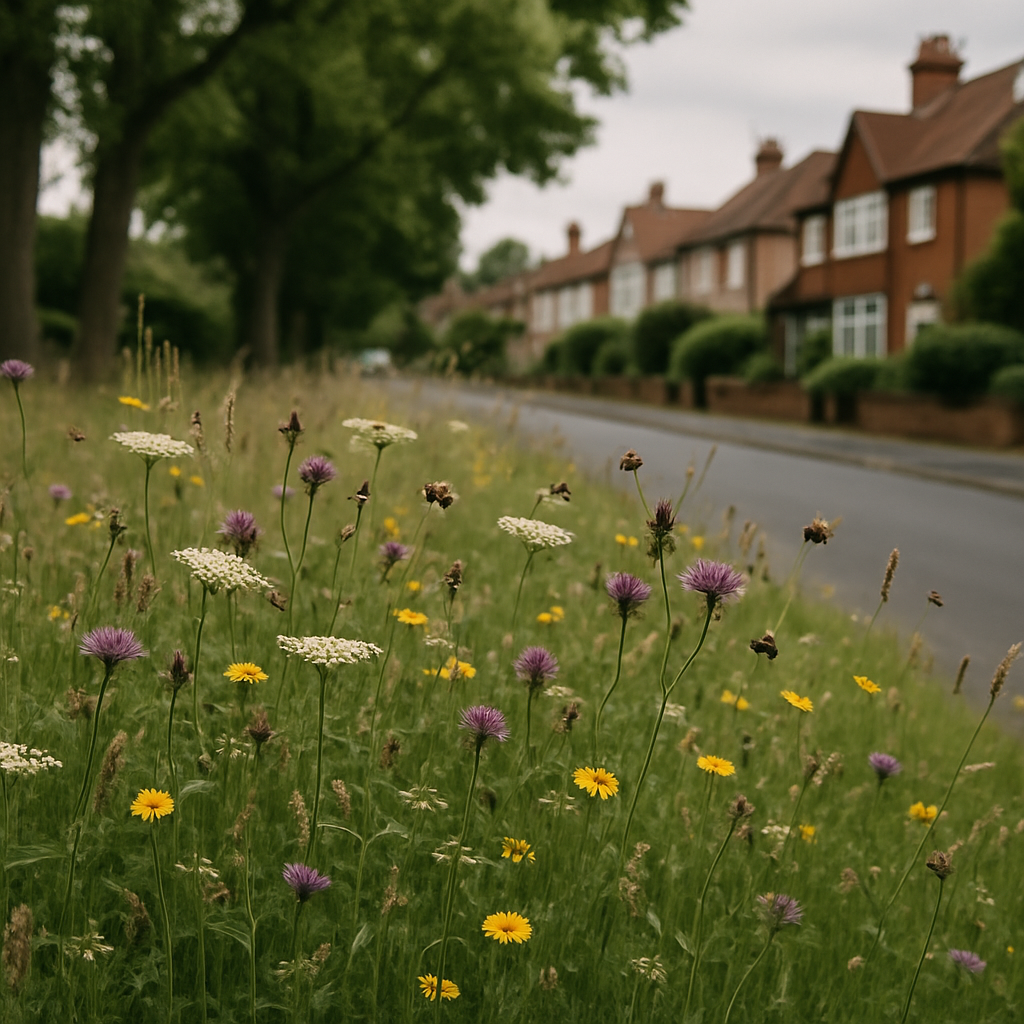
    Street verge filled with wildflowers showing rewilding your local patch in an urban area
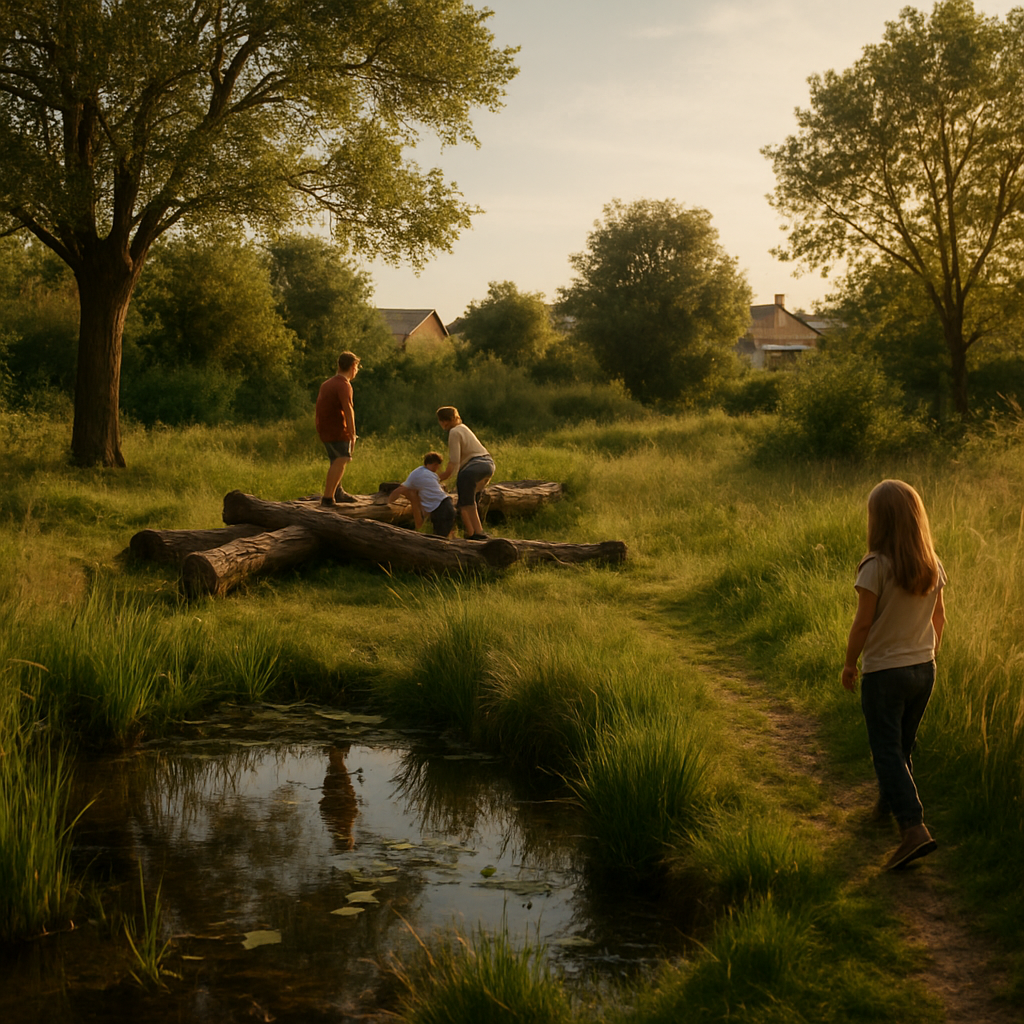
    Community green space created by rewilding your local patch with long grass, logs and a pond

    Rewilding your local patch FAQs

    How do I start rewilding your local patch if I only have a small garden?

    With a small garden, focus on doing a few things well. Leave a section of lawn or a pot to grow long, add one or two nectar-rich native plants, and provide shallow water in a dish or small container. Avoid pesticides, allow leaves and twigs to gather in a corner, and watch what appears. Even a windowsill or balcony can host pots of wildflowers and a small saucer of water.

    Will rewilding your local patch make my space look messy?

    It does not have to. The trick is to keep clear edges and a sense of intention. A mown path, a trimmed hedge or a simple border around a wildflower area shows that the space is looked after. Within that frame you can allow plants to grow taller, flowers to go to seed and leaves to lie where they fall. Most people accept more wildness when it is clearly part of a plan.

    Is rewilding your local patch really helpful for wildlife?

    Yes, it can be surprisingly helpful. Many species that are struggling need exactly the kind of varied, small-scale habitat that gardens, verges and shared courtyards can provide. Patches of long grass, native flowers, shrubs and water create food, shelter and breeding sites. When many people do this, their individual patches join up into a network that supports birds, insects and small mammals across a wider area.

  • How Local Markets Keep Our High Streets Wild at Heart

    How Local Markets Keep Our High Streets Wild at Heart

    When people talk about saving the planet, they usually picture distant rainforests or melting ice, not the queue outside the greengrocer. Yet the choices we make on a Saturday morning can echo all the way to the hedgerows, rivers and nesting sites beyond town. That is the quiet power of nature friendly shopping, and I have watched it grow and change over more seasons than I care to count.

    What is nature friendly shopping, really?

    Nature friendly shopping is less about buzzwords and more about habits. It means buying in ways that give land, water and wildlife a chance to breathe. In practice, that often looks like choosing seasonal food from nearby farms, favouring stalls that cut down on packaging, and supporting traders who know where their goods come from.

    When you stand at a market stall and the person serving you can tell you which field the carrots came from, you are no longer just a customer. You are part of a small, local chain that joins soil, grower and plate. That short chain usually means fewer lorries on the road, less refrigeration, and more room in the countryside for hedges, ponds and messy corners where nature quietly thrives.

    How local markets protect the landscape

    I have walked enough footpaths to know that the healthiest fields are rarely the tidiest. They have rough margins buzzing with insects, old oaks in the hedges and birds lifting from the stubble. Farmers who sell directly through local markets often tell me they feel freer to farm with wildlife in mind. A loyal queue of customers will forgive a knobbly apple if they know it was grown without drenching the orchard in chemicals.

    By choosing those apples, you reward the sort of farming that leaves room for skylarks and barn owls. That is nature friendly shopping in action: your basket quietly voting for a patchwork landscape instead of a bare, silent monoculture. Over time, enough of those small votes can keep a local farm afloat, and with it the footpaths, dry stone walls and hedgerows that stitch the countryside together.

    High street habits that help wildlife

    You do not need to live in a postcard village to make a difference. Even in the middle of a busy town, small changes add up. Carrying a cloth bag, choosing loose fruit over plastic trays, or refilling a bottle of washing-up liquid all cut down the tide of waste that spills out of our homes and into rivers and seas.

    Look, too, for shops that stock local honey, bread from nearby bakeries, or beers from regional breweries. Each of those has a footprint that is usually lighter on transport and storage. The bees that made the honey are likely to be working the very hedgerows you pass on a Sunday walk, pollinating wildflowers and orchard blossom as they go.

    Connecting town and countryside

    One of the most hopeful trends I have seen is the way markets are weaving town and country back together. Farmers who once felt invisible now chat every week with people who eat their food. Urban shoppers learn which vegetables cope best with late frosts, or why a wet spring means fewer cherries. It is a quiet exchange of knowledge, and it breeds respect on both sides.

    Some of these traders now use simple online tools to let people find local products before they set out. The screen is only the signpost, though. The real magic still happens when you are standing in front of a stall, brushing soil from a potato while a blackbird sings from the nearest rooftop tree.

    Simple steps towards nature friendly shopping

    If you are not sure where to start, begin with one small habit and let it grow, like a sapling in a sheltered corner. Visit a market once a month and buy just a few things. Ask one question about where your food comes from. Swap a plastic-wrapped item for a loose alternative. As the seasons turn, you will find yourself drawn into the rhythm of local harvests: the first forced rhubarb, the brief glory of asparagus, the comforting return of winter roots.

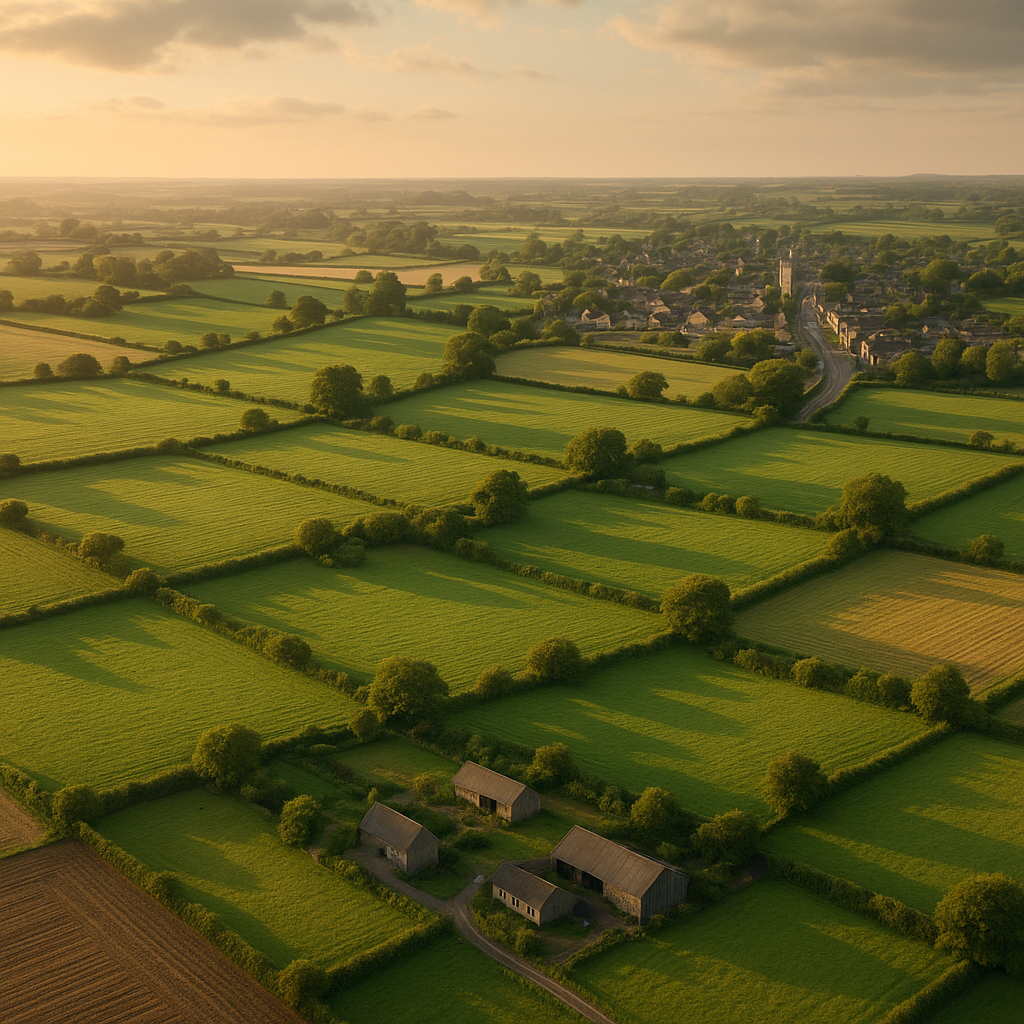
    Patchwork fields and hedgerows around a village high street showing how the countryside benefits from nature friendly shopping
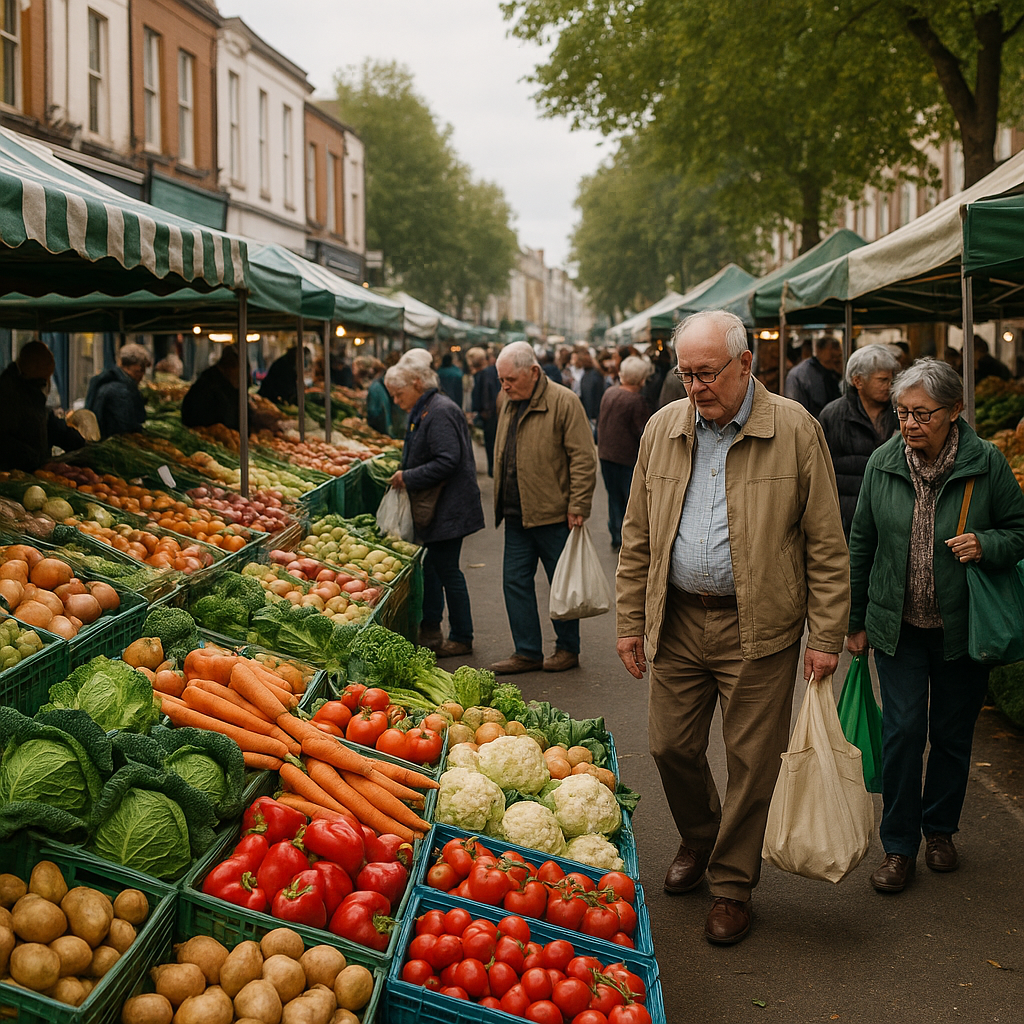
    Older shopper selecting loose vegetables at a local market as part of nature friendly shopping habits

    Nature friendly shopping FAQs

    How can I start nature friendly shopping if I only have supermarkets nearby?

    Begin by choosing loose fruit and vegetables instead of pre packed trays, bringing your own bags and avoiding unnecessary plastic where you can. Look for seasonal produce grown in your own country, which usually has a lower transport footprint. Even in a supermarket, small shifts in what you choose and how much packaging you accept can move you gently towards nature friendly shopping.

    Does nature friendly shopping cost more than normal shopping?

    Sometimes individual items can be a little dearer, especially if they are produced on a smaller scale, but you often gain in freshness and flavour. Many people find they waste less food when they buy thoughtfully from local traders, which can balance the budget. Focusing on simple, seasonal ingredients is a good way to keep costs steady while still supporting nature friendly shopping habits.

    What should I look for at a local market to support wildlife friendly farms?

    Talk to stallholders about how they grow or source their goods. Ask whether they use pesticides sparingly, keep hedgerows, or leave wild margins around fields. Look for a mix of seasonal produce, some cosmetic imperfections and clear knowledge of where items come from. These are often signs that your purchases are part of genuinely nature friendly shopping that leaves room for birds, insects and wildflowers.

  • Reading the Landscape: How to See Hidden Stories in the Countryside

    Reading the Landscape: How to See Hidden Stories in the Countryside

    If you spend enough time outdoors, you discover that reading the landscape is rather like reading an old, dog-eared book. The pages are torn, some chapters are missing, but the story is still there for anyone who learns the letters and the lines.

    What reading the landscape really means

    Reading the landscape is simply the habit of asking “why” as you walk. Why is that slope bare while the next is green? Why does the path cut straight up the hill when there is an easier way round? Why does the river kink sharply, then run like an arrow? Each of those questions points to a clue about past land use and present environmental strain.

    You do not need fancy kit, just a patient eye and a willingness to look beyond the pretty view. Think of every outing as a conversation with the land, where you listen more than you speak.

    Hillsides: scars, stripes and thirsty peat

    Hillsides are generous storytellers if you know where to look. Start by stepping back and taking in the whole slope. Bare streaks of pale soil or stone running straight down are often signs of erosion. These erosion gullies may be carved by water racing off compacted ground after heavy rain, or by too many boots and hooves hammering the same line.

    On upland moors, reading the landscape means paying attention to peat. Once, healthy peat holds water like a sponge. When it dries and cracks, turning from dark, springy turf to dusty, friable clods, it is telling you about drainage ditches, burning, overgrazing or long dry spells. Each crack is a small release of carbon and a loss of natural flood protection further downstream.

    Look too for stripes of different colour running across a hillside. Parallel green bands might be old field boundaries or the ghost of terracing, while sudden changes from rough grass to tight, uniform sward can hint at fertiliser use or reseeding. The hillside is quietly marking the boundary between older, mixed use and more intensive farming.

    Hedgerows: gaps, ghosts and living fences

    Hedgerows are among the easiest places for beginners at reading the landscape. A thick, species rich hedge with trees of many ages usually signals long continuity of boundaries and kinder management. Where the hedge thins to a line of tired, flailed stumps, you may be seeing the pressure to squeeze every last inch into production.

    Missing hedges leave ghost lines behind. Look for a slight bank with a shallow ditch, running across a field that otherwise seems open. A lone hawthorn or elder standing on that line is often the last sentinel of a vanished hedge. These ghosts tell stories of field enlargement, mechanisation and the loss of wildlife corridors.

    Gappy hedges with wide gateways or tyre-scarred openings suggest heavy traffic of livestock or machinery, which can compact soils and funnel run-off. Where hedges are allowed to grow tall and wide, you will notice more birds, insects and wildflowers using them as a leafy motorway between woods and rivers.

    Paths, desire lines and the weight of many feet

    Every path is a vote. When people leave the official route to cut a corner or climb straight up a slope, they create what we call desire lines: narrow, trodden tracks that ignore waymarks and zigzags. A single shortcut is harmless, but dozens of boots in all seasons can strip vegetation, expose soil and start those erosion scars you saw on the hillside.

    Reading the landscape along popular paths means noticing where the ground changes under your feet. Does the turf suddenly give way to loose stones or a hollowed trench? Are there braids of parallel tracks where walkers try to dodge mud, only to widen the damaged area? These are places where visitor pressure, wet weather and perhaps poor path design are working together.

    On softer ground, such as heath or bog, those same desire lines can drain precious moisture, leaving brittle vegetation and bare peat. The land is quietly asking for gentler feet, better waymarking or seasonal rest.

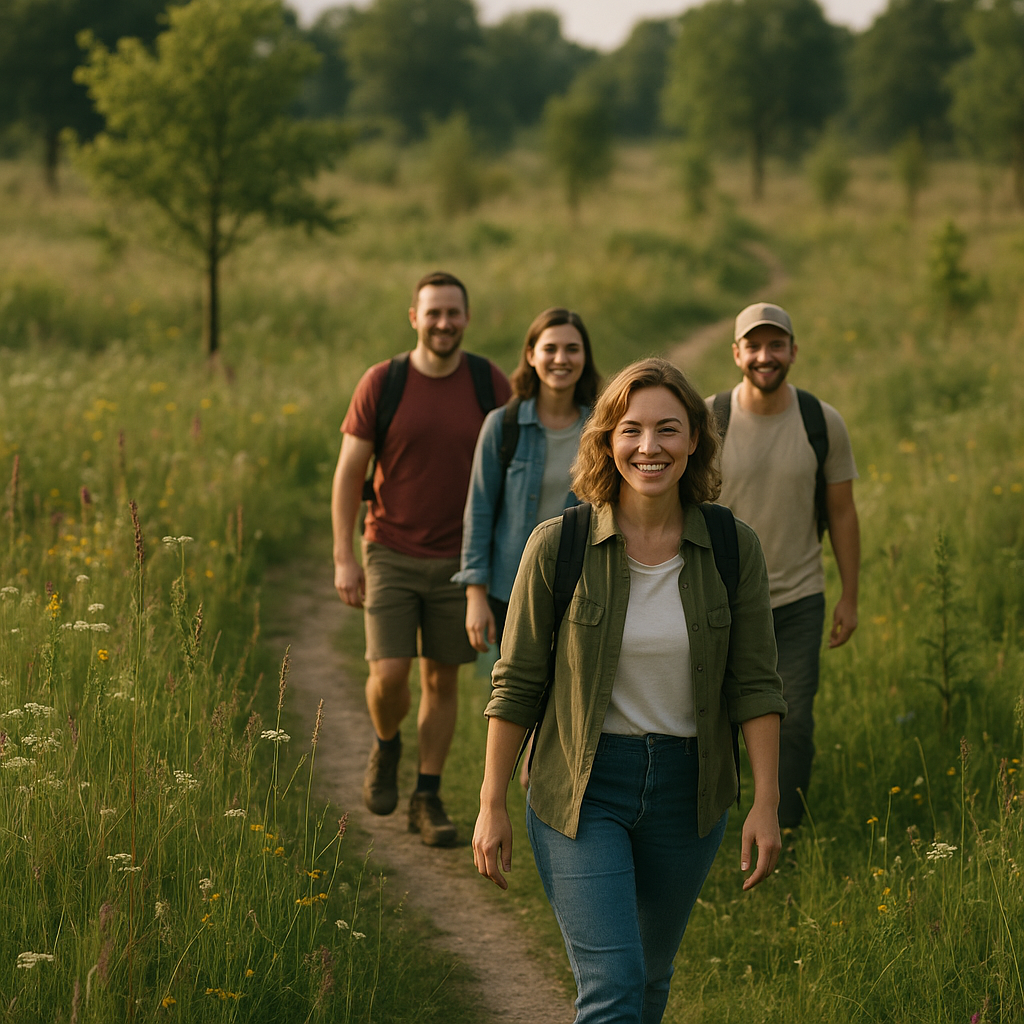
    Grandparent and child reading the landscape by a gappy hedgerow and ghost field boundary
    Nature enthusiast reading the landscape along a river with eroded and vegetated banks

    Reading the landscape FAQs

    How can a beginner start reading the landscape on a country walk?

    Begin by slowing down and asking simple questions about what you see. Notice changes in colour, slope and vegetation: bare streaks on hillsides, gaps in hedges, muddy braids of paths and sharp kinks in streams. Try to guess what might have caused each feature, then check your ideas with field guides or local ranger information. Over time, patterns repeat and your confidence in reading the landscape will grow.

    Why are desire lines and eroded shortcuts such a problem for nature?

    Desire lines concentrate many feet in a narrow strip, stripping away plants and exposing soil. On slopes this can start erosion gullies that carry water and sediment downhill, increasing flood risk and smothering habitats. On heaths, dunes and peat bogs, trampling can dry and damage fragile soils that took centuries to form. Sticking to established paths, especially in wet seasons, helps protect these vulnerable places.

    What do straightened streams tell us about environmental pressures?

    Straightened or deepened streams usually indicate that people have altered the watercourse for drainage, flood defence or agriculture. This speeds up water flow, increases erosion and often removes the natural bends and wetlands that slow floods and support wildlife. When reading the landscape, a ruler-straight channel with steep, bare banks is a clear sign of these pressures and of lost natural resilience in the wider catchment.

  • What Rewilding Looks Like: Accessible UK Sites You Can Walk Today

    What Rewilding Looks Like: Accessible UK Sites You Can Walk Today

    When people ask me what wild really looks like, I do not point to glossy photographs. I point to paths, puddles and footbridges in real places. The best way to understand rewilding is to lace up your boots and visit some accessible rewilding sites where nature recovery is happening in front of your eyes.

    What rewilding actually looks like on the ground

    Forget the idea that rewilding means locking the gate and walking away. On the ground it is a careful loosening of our grip. Fields once shaved short by grazing grow shaggier. Brambles creep out from hedges. Dead trees are left standing as insect hotels. Streams are allowed to wriggle rather than run in straight ditches. You will notice more mess, more texture, more life.

    Listen as much as you look. Skylarks trilling over rough grass, the soft tapping of a woodpecker, the sudden splash of a frog in a re-wetted hollow. These are the small signs that a place is shifting from tidy production line to living community. Paths are still there, but they may be narrower, weaving between thickets and young trees instead of along bare field edges.

    Why accessible rewilding sites matter for climate resilience

    These wilder corners are not just pretty. They are quiet workers in the background of our changing climate. When soils are no longer ploughed and compacted, they hold more carbon, locking it away underground. Where streams are reconnected to their floodplains, heavy rain spreads into meadows instead of rushing straight into towns and villages.

    Walk through a restored wetland after a storm and you will see water held in pools and hollows, slowed by reeds and willow scrub. That holding and slowing is climate resilience in action. Woods and scrubby slopes shade the ground, keeping it cooler in summer heat. A tangle of roots knits the soil together, reducing erosion when winter storms roll through.

    How rewilding boosts biodiversity you can actually see

    It is easy to talk about biodiversity as a statistic, but along a footpath it becomes something you can count on your fingers. First, notice the flowers. Where there were once two or three species in a field, there may now be dozens: knapweed, yarrow, bird’s foot trefoil, oxeye daisy, each inviting its own set of insects.

    Butterflies are a good measure of success. In a recovering meadow you may see common blues flickering low over the grass, orange skippers darting like sparks, and peacocks basking on thistles. In woodland edges, listen for the scratchy song of warblers that were absent when the trees were young and the understorey bare. Accessible rewilding sites let you watch this recovery season by season, year by year.

    Typical paths and facilities at rewilding and nature recovery sites

    People often worry that wilder places mean awkward walking. In practice, most projects keep clear routes, and many are designed with families and older walkers in mind. Expect a mix of waymarked circular trails, from short, level loops suitable for an afternoon stroll to longer rambles that climb to viewpoints.

    Surfaces vary. Some paths are compacted gravel or boardwalks across wetter areas, making them easier for those with less sure footing. Others are simple grass tracks, a little muddy after rain but perfectly manageable with decent boots. Basic facilities usually include a small car park or lay-by, a map board at the entrance, and sometimes a composting loo or a simple shelter where you can sit out a shower.

    Benches are often placed at the edges of new ponds or on low ridges, where you can rest and take in the changing landscape. Do not expect manicured picnic areas; think instead of a rough-hewn log under an oak, or a flat rock beside a slow, re-wiggled stream.

    How to visit rewilding projects responsibly

    These landscapes are still finding their balance, so how we behave matters. Stay on marked paths where they exist, particularly in young woodland and wetland where trampling can undo careful work. Keep dogs close and under control; ground-nesting birds and young deer are easily disturbed.

    Older couple enjoying views over wetlands at accessible rewilding sites in the countryside
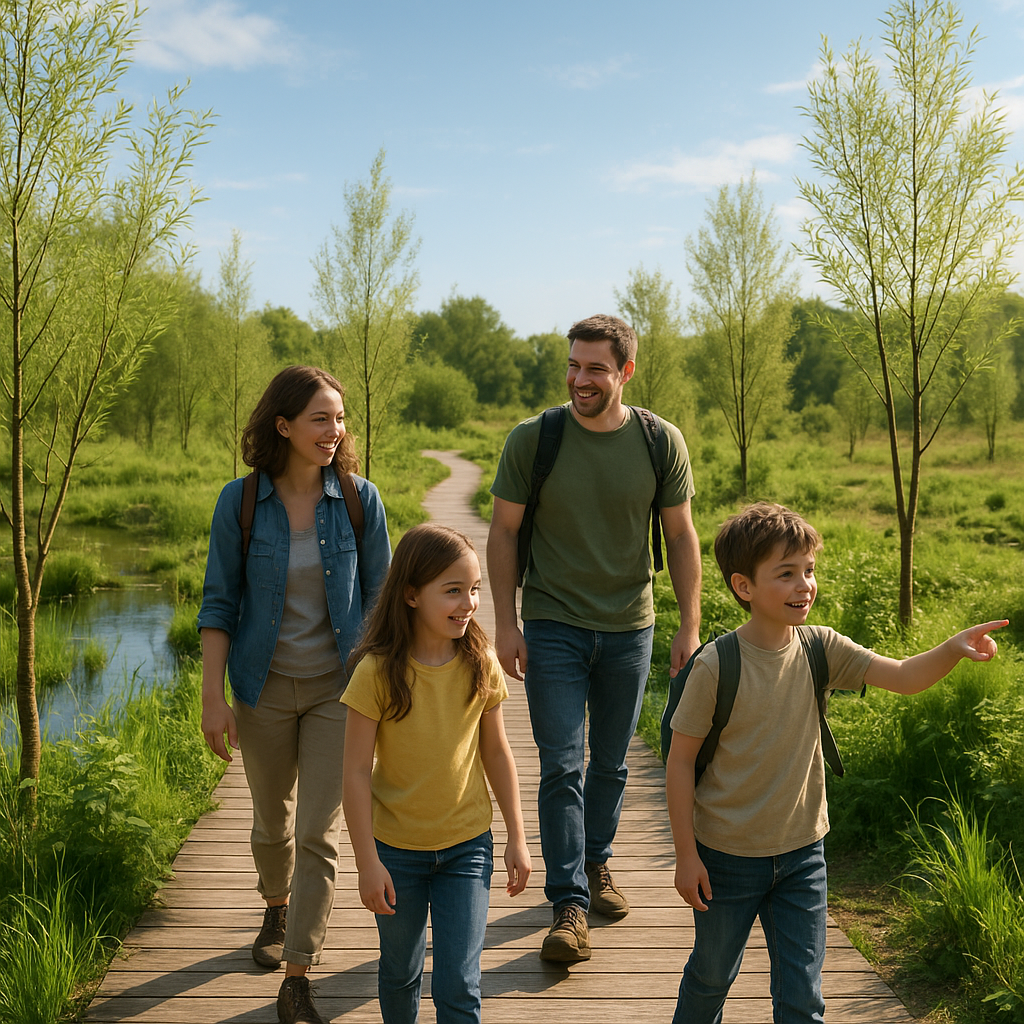
    Family exploring boardwalk trails at accessible rewilding sites with ponds and young trees

    Accessible rewilding sites FAQs

    What should I expect when visiting accessible rewilding sites for the first time?

    Expect landscapes that look a little untidy compared with traditional farmland or formal parks. Paths are usually clear, but the surrounding vegetation will be longer and more varied, with patches of scrub, wetlands and young trees. You may find simple facilities such as waymarked routes, map boards and the odd bench, but the focus is on giving space to wildlife rather than human convenience.

    Are accessible rewilding sites suitable for children and older walkers?

    Many projects design at least one short, level route that is suitable for families and older walkers. These might include gravel paths, boardwalks over wetter ground and frequent resting spots. It is wise to check local information before you set out, choose a route that matches your ability, and wear sturdy footwear, as natural surfaces can still be uneven or muddy after rain.

    How can I tell if a place is genuinely being rewilded and not just left unmanaged?

    In genuine rewilding or nature recovery sites you will usually see signs of intentional work: new tree planting or natural regeneration areas, re-wetted ponds and streams, grazing managed with specific animals, and information boards explaining the aims. The apparent mess has a purpose, with a mix of habitats and a growing diversity of plants and animals, rather than simple neglect where invasive species dominate and access is unsafe or discouraged.

  • Choosing Eco Friendly Outdoor Gear Without The Greenwash

    Choosing Eco Friendly Outdoor Gear Without The Greenwash

    After a lifetime of muddy paths and rain that arrives sideways, I have learned that the best eco friendly outdoor gear is the kit you understand, look after and keep for years. The trick is choosing it in the first place without being blinded by glossy promises and fashionable buzzwords.

    What makes eco friendly outdoor gear, really?

    When you strip away the marketing, there are only a few questions that matter. How long will it last? Can it be repaired? What is it made from, and where will it end up when it finally gives up the ghost? If you keep those questions in your pocket, you will make better choices for the hills, the woods and the planet.

    Durability before everything else

    On the moors, a boot that falls apart after two winters is waste, no matter how many leaves were printed on the label. Sturdy stitching, quality zips, solid eyelets and a sole you can resole are worth more than any fancy slogan. Durable kit means fewer replacements, fewer lorry journeys, and less clutter in your cupboard.

    Repairability as a quiet superpower

    Look for designs you can actually mend. Jackets with standard zips, rucksacks with replaceable buckles, walking boots that a cobbler can resole. A tiny repair kit in your pack – a needle, strong thread, a few patches and safety pins – has saved more garments on my walks than I can count. Gear that lives a long, mended life is some of the most genuinely eco friendly outdoor gear you can own.

    Walking boots: leather, fabric and what lies between

    Boots are where your values meet the ground. Traditional full grain leather, if well cared for, can last many years and be resoled, which keeps them out of landfill. The trade off is the impact of livestock farming, so it is worth favouring responsibly sourced leather and avoiding throwaway fashion styles.

    Fabric boots are lighter and often cheaper, but many use synthetic uppers that shed tiny plastic fibres as they wear. If you choose them, look for tough woven fabrics that will not fray quickly, and clean them gently rather than scrubbing them to fuzz. Above all, buy boots you can have repaired: replaceable insoles, resolable soles and decent stitching all extend their life.

    Waterproofs and the problem with coatings

    Rain jackets and overtrousers are a tangle of chemistry and claims. Ignore the impressive names and ask instead: is the fabric free from the most persistent fluorinated chemicals, and can the water repellent finish be refreshed rather than the whole garment binned?

    Many brands now offer alternatives to the older, more harmful coatings. They are not perfect, but they are a step away from chemicals that linger in rivers and soil. Wash waterproofs only when needed, using a gentle cleaner, and restore the water repellency with a suitable treatment. Looking after the coating you already have is far better than buying a new jacket every couple of years.

    Rucksacks and layers: fabric choices that matter

    Rucksacks take a beating on rough paths, so strength comes first. A simple design in a tough fabric with replaceable straps and buckles will usually outlast a complicated, flimsy pack. Some newer packs use recycled polyester or nylon, which reduces demand for fresh fossil fuels. Just remember that a recycled fabric that fails quickly is still wasteful.

    For base layers and fleeces, microplastic shedding is the quiet problem. Every wash of a synthetic fleece sends tiny fibres into the water. Natural fibres like wool or organic cotton avoid this, though they have their own impacts. If you do choose synthetic layers, wash them cooler and less often, line dry them, and avoid cheap, fluffy fabrics that shed heavily.

    Second hand and sharing: the greenest gear of all

    Some of my favourite pieces of eco friendly outdoor gear were not bought new at all. Second hand shops, online marketplaces and local gear swaps are treasure troves. A well worn jacket that has already proved itself on someone else’s walks is often a better bet than the latest shiny thing.

    Group on a hillside wearing repaired eco friendly outdoor gear with rucksacks and layers
    Second hand boots, waterproofs and layers arranged as eco friendly outdoor gear before a walk

    Eco friendly outdoor gear FAQs

    Is leather or synthetic better for eco friendly outdoor gear?

    Both have pros and cons. Leather boots can last for many years and be resoled, which reduces waste, but leather comes from livestock farming, which has its own impact. Synthetic boots avoid leather but are usually made from plastics that shed microfibres and are harder to repair. The most eco friendly choice is the pair you will care for, mend and keep in use the longest, ideally with resolable soles and replaceable insoles.

    How can I reduce microplastic shedding from my walking clothes?

    Choose tougher, less fluffy synthetic fabrics, or natural fibres like wool where practical. Wash clothes only when needed, on cooler, shorter cycles, and avoid harsh detergents and fabric softeners. Line drying instead of tumble drying also helps. For very keen walkers, there are specialised wash bags and filters that catch some fibres, but good fabric choices and gentle washing are the biggest steps.

    Is second hand kit really safe and reliable for serious walks?

    Second hand can be an excellent source of reliable eco friendly outdoor gear, provided you inspect it carefully. Check soles for cracking, seams for loose stitching, zips for smooth running and waterproofs for obvious damage. Many walkers sell or donate high quality kit that no longer fits or is surplus to requirements. For safety critical items like climbing gear, buy only from trusted sources or choose new, but for boots, clothing and rucksacks, second hand is often a very sensible option.

  • Why Outdoor Festivals Feel So Precious Now

    Why Outdoor Festivals Feel So Precious Now

    If you want to understand a country, do not start with its politicians or its shopping centres. Start with its gatherings under open sky. Outdoor festival culture tells you what people truly value when the walls fall away and the weather has its say.

    I have watched fields fill and empty for longer than I care to admit. From village greens with trestle tables to wild headlands humming with music, the way we gather outdoors has changed, yet the old instincts are still there. We are creatures who like to stand shoulder to shoulder and feel the same breeze on our faces.

    The quiet power of outdoor festival culture

    Strip away the noise and you are left with something very simple: people, place and a patch of sky. Outdoor festival culture is really an excuse to pay attention to all three. You notice the ground beneath your boots, the way the clouds move, the smell of damp grass after a shower. You cannot help but remember that you live inside a landscape, not apart from it.

    In a crowded field you will see strangers sharing blankets, flasks and stories. The hedgerows become cloakrooms, the old oak becomes a meeting point, and suddenly the land is not just scenery but a companion. That is the quiet magic of these gatherings – they turn geography into memory.

    Seasons, weather and the rhythm of the year

    One thing I like about outdoor festival culture is that it still bows to the seasons. You can move a meeting online, but you cannot move midsummer. Spring events are full of mud, hope and woolly hats. High summer brings dust, suncream and the constant hunt for shade. By autumn the light is lower and the fires more welcome.

    Weather, too, is a stubborn equaliser. A sudden downpour will wash away fashion and status in minutes. Everyone becomes the same damp, laughing creature, hopping between puddles and bargaining for a dry patch under a tree. Years later, people rarely say, “Do you remember the headline act?” They say, “Do you remember that storm, and how we all sang anyway?”

    Nature as stage, not backdrop

    When organisers pay attention, the land itself shapes the experience. A simple folk weekend in a valley feels different from a coastal gathering where the gulls add their own heckling. Good stewards read the lie of the land: they keep stages away from nesting birds, protect old trees from compaction, and let wild corners stay wild.

    I have seen fine examples where paths are marked to spare delicate plants, water stations replace endless plastic bottles, and lighting is kept low to respect bats and owls. Outdoor festival culture does not have to be a trample across nature; it can be a lesson in how to share space with it. The best events leave little behind but flattened grass and a few happy stories.

    Community, belonging and the small-scale revival

    In recent years there has been a quiet revival of smaller, place-rooted gatherings. Villages dust off their greens for music evenings, food markets and story nights. Town parks host simple celebrations of harvest, rivers or local wildlife. These are not grand affairs, but they are stitched closely to their surroundings.

    People are weary of travelling long distances for overstuffed weekends. They want something they can walk to, where they recognise both the faces and the trees. Outdoor festival culture at this scale helps neighbours meet, charities raise funds, and local crafts find an audience. It is less about spectacle and more about belonging.

    Even the way people find and plan these outings has changed. A notice on the post office board now sits alongside online listings and digital platforms where you might buy local event tickets for a field you have walked past a hundred times without really seeing.

    Looking after the land that hosts the party

    Of course, there is a cost when hundreds of boots tread the same patch of earth. The responsible events are learning to tread more lightly. They limit numbers, encourage walking and cycling, cut down on generators, and work with farmers, rangers and ecologists to repair what is worn.

    Local village green transformed by outdoor festival culture with stalls and neighbours meeting
    Campfire gathering under the stars showing the communal spirit of outdoor festival culture

    Outdoor festival culture FAQs

    How can outdoor events minimise their impact on local wildlife?

    Organisers can work with local ecologists or rangers to understand sensitive habitats and nesting areas, then design the site layout around them. Keeping wild margins fenced off, reducing noise near hedgerows and waterways, using low-level, downward-facing lighting, and limiting late-night activity all help. Clear paths, proper waste management and educating visitors about the resident species can turn an event into an opportunity to protect and celebrate wildlife rather than disturb it.

    What should I bring to stay comfortable at a festival in changeable weather?

    Layers of clothing are your best friend: a breathable base layer, a warm jumper and a waterproof shell will see you through most conditions. Good boots, a hat for sun or drizzle, and something to sit on make a big difference. A reusable water bottle, simple snacks, and a small torch are worth their weight, and a cloth bag for your rubbish helps you leave the place as you found it. Think like a walker heading out for a long day rather than a day at the shops.

    Why do people feel more connected at outdoor gatherings than indoor ones?

    Sharing the same weather and landscape has a way of softening barriers between people. You all squint into the same low sun or huddle under the same passing shower, and that shared experience breaks the ice. Without walls and ceilings, sound and conversation travel differently, and there is more room for chance encounters. The presence of trees, birds, open sky and changing light taps into something older in us, reminding us that we are part of the same wider world as the person standing next to us.

  • Why Sustainable Fashion Matters More Than Ever For Our Planet

    Why Sustainable Fashion Matters More Than Ever For Our Planet

    As climate warnings grow louder and biodiversity continues to decline, sustainable fashion is finally moving from niche interest to mainstream concern. What we wear has a direct impact on rivers, forests, wildlife and the communities who live closest to nature. The question is no longer whether our wardrobes affect the planet, but how quickly we can change them for the better.

    How clothing harms the environment

    The fashion industry is responsible for vast amounts of carbon emissions, water use and chemical pollution. Synthetic fibres like polyester are made from fossil fuels, and every wash sheds tiny plastic fibres into rivers and seas. Conventional cotton relies heavily on pesticides and irrigation, placing huge pressure on soils and freshwater.

    Fast fashion has also normalised overconsumption. Clothes are treated as disposable, worn a handful of times before being dumped or burned. This constant churn drives demand for ever more raw materials, clearing land for monoculture crops and pushing wildlife out of its habitat. Landfills filled with textiles leak dyes and microplastics into the surrounding environment for years.

    What sustainable fashion really means

    At its heart, sustainable fashion is about respecting ecological limits and people at every stage of the supply chain. It goes beyond swapping one fabric for another and looks at the full life cycle of a garment, from raw material to recycling or composting.

    Key principles include reducing resource use, choosing low impact materials, paying workers fairly and designing clothes that last. It also means slowing down the rate at which we buy, shifting from trend driven shopping to thoughtful, long term choices. When we take this approach, every item in our wardrobe becomes a small environmental decision.

    Natural materials and their impact on nature

    Many people assume natural fibres are always better for the planet, but the picture is more complex. Conventional cotton, for example, can deplete soils and contaminate waterways if grown with heavy pesticide and fertiliser use. Wool production can damage fragile upland habitats when grazing is poorly managed.

    More responsible options include organic cotton, linen, hemp and responsibly sourced wool. These can support healthier soils, greater biodiversity and cleaner water when farmed with care. Regenerative agriculture, which focuses on rebuilding ecosystems rather than simply extracting from them, is increasingly being used to grow fibre crops as well as food.

    The rise of local and small scale makers

    One of the most positive shifts in sustainable fashion is the renewed interest in local, small scale production. Independent makers often work with limited runs, repair services and long lasting designs. This reduces waste, cuts transport emissions and reconnects people with the story behind their clothes.

    For example, some small brands create collections from fabric offcuts, deadstock or recycled textiles, turning potential waste into something new. Others focus on traditional skills such as weaving, tanning or leatherwork, supporting rural livelihoods and keeping heritage crafts alive. A number of artisans producing Handmade handbags also prioritise durable materials and timeless styles that can be used for many years.

    How to build a more planet friendly wardrobe

    Shifting to sustainable fashion does not require replacing everything you own. In fact, the most sustainable clothes are usually the ones already in your wardrobe. Start by wearing what you have for longer, repairing items instead of discarding them and learning basic mending skills.

    When you do need something new, choose quality over quantity. Look for natural or recycled fibres, transparent supply chains and brands that offer repairs or take back schemes. Buying second hand, swapping with friends and renting for special occasions all help reduce demand for virgin materials and protect natural habitats from further exploitation.

    Why our clothing choices matter for the outdoors we love

    The health of rivers, forests, coastlines and wildlife rich landscapes is tied to the way we dress. Dyes and finishing chemicals can poison aquatic life, while land cleared for fibre crops reduces space for pollinators and other species. Microplastics from synthetic clothing have been found everywhere from deep ocean trenches to Arctic snow.

    Artisan sewing with natural materials as part of sustainable fashion movement
    Outdoor clothes rail of eco-friendly garments showcasing sustainable fashion choices

    Sustainable fashion FAQs

    Is buying second hand better for the environment than buying new?

    In most cases, yes. Buying second hand extends the life of existing garments and avoids the resource use, emissions and pollution associated with producing new items. It also helps keep textiles out of landfill. The environmental benefits are greatest when you choose good quality pieces you will wear often, avoid impulse buys and care for them so they last.

    Which fabrics are the least harmful to nature?

    Lower impact options typically include organic cotton, linen, hemp, TENCEL and responsibly sourced wool. These can use fewer chemicals and support healthier soils and biodiversity when produced carefully. Recycled fibres, such as recycled cotton or polyester from existing textiles, can also reduce demand for virgin raw materials. However, how a fabric is dyed, finished and transported also plays a big role in its overall footprint.

    How can I start supporting sustainable fashion on a tight budget?

    Begin by making the most of what you already own: repair, alter and restyle existing clothes instead of replacing them. Explore charity shops, resale platforms and clothing swaps to find quality pieces at lower cost. Focus on buying fewer, better items, choosing versatile styles that work across seasons. Simple habits like washing at cooler temperatures and air drying will also help your clothes last longer, stretching both your budget and their environmental value.

  • How Smart Window Coverings Are Transforming Modern Workspaces

    How Smart Window Coverings Are Transforming Modern Workspaces

    Office design has moved far beyond desks and décor. Today, facilities managers and business owners are increasingly focused on how smart window coverings can improve comfort, cut energy use and support staff wellbeing. As workplaces adapt to hybrid working and rising energy costs, the way we manage natural light has become a strategic decision, not an afterthought.

    From automated shading to connected control systems, window treatments are now part of a building’s intelligent infrastructure. They help balance daylight, reduce glare on screens and support a more stable indoor climate across the year.

    Why smart window coverings are gaining momentum

    Several trends are driving demand for smarter shading solutions. Energy prices remain volatile, and many companies are under pressure to hit carbon reduction targets. At the same time, staff expect more comfortable, flexible workspaces that support both focus and collaboration.

    Smart window coverings can respond to time of day, sun position and occupancy, reducing the need for artificial lighting and easing the load on heating and cooling systems. In many buildings, this translates into measurable energy savings and a more consistent internal temperature, especially in glass-heavy offices.

    There is also a growing appreciation of the impact of natural light on productivity and mood. Too much brightness and glare can cause eye strain and headaches, while dim, artificially lit spaces can feel flat and tiring. Intelligent shading helps maintain a balance, allowing daylight in without sacrificing comfort.

    Key technologies behind smart window coverings

    Modern smart window coverings use a mix of hardware and software to manage light effectively. Motorised blinds and shades can be controlled individually or in groups, using wall switches, remote controls or mobile apps. In more advanced setups, they are integrated into a building management system.

    Light and temperature sensors feed real time data to controllers, which adjust the position of blinds automatically. For example, shades can lower during peak afternoon sun to reduce solar gain, then lift as the sun moves to maximise daylight. Some systems also link to occupancy sensors, opening blinds when people enter a room and closing them when it is empty to conserve energy.

    Integration with smart lighting is becoming more common too. When natural light levels rise, lights dim automatically, and when clouds move in, artificial lighting increases. This coordinated approach improves comfort while avoiding wasted energy.

    Design, materials and sustainability considerations

    Technology is only part of the picture. The fabrics and finishes used in smart window coverings have a major impact on performance. High performance textiles can filter light, reduce heat gain and maintain outward visibility, all while contributing to the interior design scheme.

    Solar reflective fabrics, for example, can significantly cut the amount of heat entering a space, which is particularly valuable in south facing offices and large glazed atriums. In colder climates, certain materials can help retain heat in winter, supporting energy efficiency all year round.

    Sustainability is another priority. Many organisations now look for low VOC materials, recycled content and products that support green building certifications. Durable, easy to clean finishes also extend product life, reducing waste over time.

    Smart shading and wellbeing in the workplace

    Wellbeing is central to modern office strategy, and window treatments play a bigger role than many people realise. Glare on monitors, uncontrolled sunlight and fluctuating temperatures can all undermine concentration and comfort.

    Smart window coverings enable subtle, frequent adjustments that would be impractical to manage manually. Meeting rooms can be set to darken automatically for presentations, then return to a brighter setting afterwards. Quiet zones can maintain softer, indirect light, while collaboration areas benefit from a more open, airy feel.

    By giving staff simple controls where appropriate, such as local switches or app access, businesses can also support a sense of autonomy. People are more satisfied when they can influence their own environment, even in small ways.

    Choosing the right partner for workplace shading

    When planning a project, it is important to consider both the control technology and the physical shading products. Assess how systems will integrate with existing building controls, IT infrastructure and maintenance routines, as well as how they will look and perform day to day.

    Meeting room equipped with smart window coverings connected to a wall control panel overlooking a city skyline.
    Facilities manager controlling smart window coverings via a tablet in a bright corporate workspace.

    Smart window coverings FAQs

    Are smart window coverings worth the investment for smaller offices?

    Yes, smaller offices can still benefit from automated shading, particularly if they have large windows or suffer from strong glare at certain times of day. Simple motorised systems with basic sensors or timers can improve comfort and reduce reliance on artificial lighting without the cost of a full building management integration. Over time, lower energy use and a more pleasant working environment can help offset the initial outlay.

    Can smart window coverings be retrofitted to existing buildings?

    Most modern systems are designed with retrofits in mind. Wireless controls and battery powered motors reduce the need for extensive cabling, making installation easier in occupied buildings. During planning, it is important to survey window types, access, and existing electrical provision, and to coordinate with IT teams if integration with other smart systems is required.

    How do smart window coverings support energy efficient offices?

    Smart shading reduces solar heat gain in summer and helps retain warmth in winter, which stabilises indoor temperatures and eases the load on heating and cooling systems. By optimising natural light, these systems also cut the need for artificial lighting during daylight hours. Together, these effects can significantly lower overall energy consumption while keeping spaces comfortable for occupants.

    commercial blinds

  • Climate Change in 2025: The Turning Point We Can No Longer Ignore

    Climate Change in 2025: The Turning Point We Can No Longer Ignore

    Climate change in 2025: this feels different. Across the UK and globally, people are no longer asking if climate change is real but how fast it is accelerating and what it will mean for their daily lives.

    Scientists now classify this year as a potential inflection point. Global temperatures have continued to rise, extreme weather has increased in frequency and governments are being pressured to deliver meaningful policies rather than broad promises.

    At the same time, many industries are scrambling to adapt. Renewable energy, building materials, logistics and agriculture are all facing rapid change. Even households are starting to ask whether adopting greener technology can lower long-term bills.

    How Has Climate Change Shifted in 2025?

    The UK entered 2025 after several consecutive years of record-breaking temperatures. Winter rainfall has become more intense and summers more variable, with sudden switches between heatwaves and storms. Scientists attribute these fluctuations to ongoing ocean warming, jet stream instability and the compounding effects of previously underestimated carbon feedback loops.

    Climate Change in 2025

    One of the most significant updates this year comes from global climate monitoring bodies, which warn that the window to limit warming to 1.5 degrees is now closing faster than expected. This has led to widespread public discussion online about practical next steps rather than abstract targets.

    Technologies and Solutions Gaining Momentum

    The climate conversation is no longer only about problems. In 2025, several solutions have rapidly gained popularity because they are easier to implement, more affordable and more publicly visible.

    Rapid adoption of home energy technologies

    Air source heat pumps, smart insulation materials and small-scale solar are all trending because they reduce household bills while contributing to national goals.

    Surge in localised climate action

    Communities across the UK are installing micro-grids, creating flood-resilient infrastructure and restoring green spaces to naturally reduce heat retention.

    Greener business operations

    Businesses are increasingly adopting low-carbon processes. Manufacturing, construction and logistics sectors are experiencing major shifts due to consumer pressure and regulatory change.

    Why Climate Change Searches Are Surging in 2025

    Three key drivers have pushed people to search for terms like climate change 2025, why is the weather so extreme, is climate change accelerating and how will climate change affect the UK.

    • People are experiencing the effects first-hand.
      Seasonal patterns have shifted enough that the public is questioning whether this is the new normal.
    • Governments are rolling out milestone legislation.
      Net-zero roadmaps hitting 2025 checkpoints have put new scrutiny on progress.
    • Insurance and financial impacts are now obvious.
      Rising premiums, property risk classifications and energy volatility have made climate change a household concern.

    What the UK Should Expect Next

    Experts predict that by the end of 2025, climate-related policies will tighten across sectors. More funding will go into home energy upgrades, electric infrastructure and flood defences. Local authorities are already trialling new sustainability frameworks that focus on adaptation rather than waiting for global consensus.

    Consumers will also see a continued rise in climate-focused products and services. From eco-certified building materials to more efficient supply chains, the marketplace is shifting in response to demand.

    FAQs About Climate Change in 2025

    Is climate change accelerating in 2025?

    Yes. Temperature data and extreme weather events show a clear upward trend. Scientists warn that the climate is shifting faster than many previous models predicted.

    Why does the UK feel warmer and wetter this year?

    Warmer oceans and a disrupted jet stream are bringing more volatile weather patterns. The UK is experiencing stronger rainfall events and short, intense heatwaves.

    What can households do that actually makes a difference?

    Upgrading insulation, reducing energy waste and adopting renewable systems have measurable climate benefits and can reduce bills over time.