

Say you have reached the top of the Ben on a bright November morning, stamped your feet by the trig point and looked down at the stones around your boots. They are not what you walked past at 400 metres. The Ben Nevis summit rocks are a broken, frost-shattered carpet of angular blocks, patched with pale veins and crusts of grey, green and orange. Reading that surface properly takes a little patience and the steps below.
The summit of Ben Nevis stands at 1,345 metres and is Britain’s highest point. The plateau is a boulder field rather than solid rock, and it was made largely by water getting into cracks and freezing. I have walked hills for a long time, and this top still seems to me the most worked-over piece of ground in the country.
What are the Ben Nevis summit rocks made of?
The summit plateau is mainly lava, the remains of volcanic rock laid down around 400 million years ago in the Devonian period, according to the British Geological Survey’s broad account of the area. The mountain also has a granite core lower down. Up top you are mostly walking on dark, fine-grained volcanic stone, which breaks into sharp slabs rather than rounded cobbles.
That sharpness matters. Frost does not smooth a summit. It levers it apart.
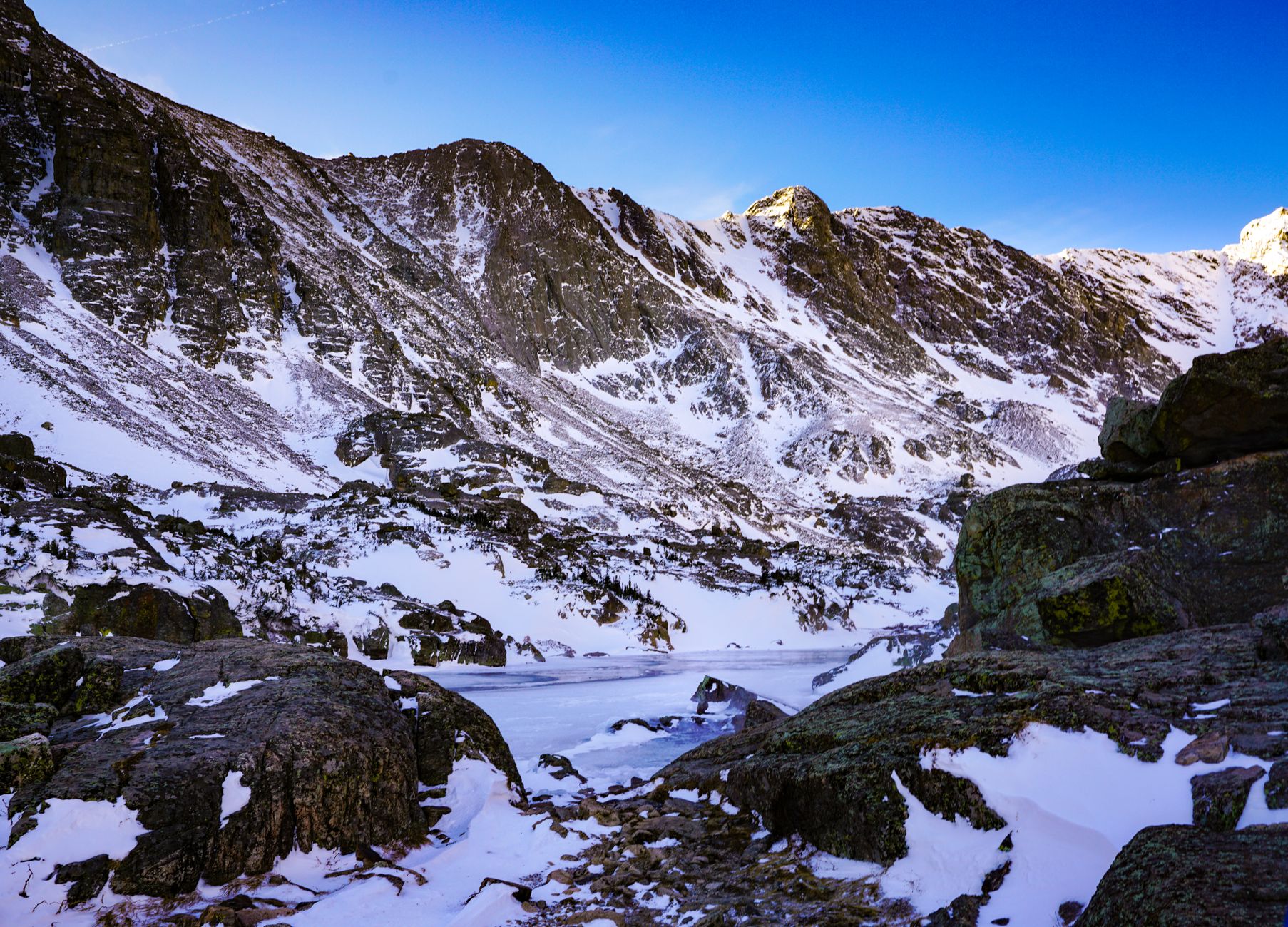
How to read the summit surface: a step-by-step guide
- Start with the shape of the blocks. Angular, jagged pieces with fresh pale faces have split recently. Water seeps into hairline cracks, freezes, expands by roughly nine per cent in volume and wedges the rock apart. Rounded, dull blocks have sat for longer.
- Look for the pale veins. White or milky streaks running through the dark stone are usually quartz, laid down when mineral-rich hot water filled cracks long ago. Quartz is harder than the rock around it, so on weathered faces the veins can stand slightly proud, like raised seams.
- Check the sparkle, in the right light. The glitter people notice comes from low sun catching frost crystals, wet quartz and tiny shiny mineral faces. Early or late light, with the sun low, shows it best. Flat cloud hides it, which is most days up there.
- Find the lichens. Crusts of grey-green, yellow and black on the stone show where rock has been stable for years. Crustose lichens grow very slowly, so a large patch means a surface the frost has left alone for a long time. Our piece on the secret life of lichen explains why they cope so well with this sort of exposure.
- Compare sheltered and open ground. Blocks in the lee of a larger boulder collect more snow and meltwater, and often hold more moss and lichen. Wind-scoured tops are barer and more freshly broken.
- Look, do not collect. Leave every stone where it lies. Photograph the veins and crusts instead. Lichens regrow in decades, not weeks, and the summit is part of a protected landscape.
Why does freeze-thaw work so hard up there?
Freeze-thaw weathering is strongest where temperatures swing across 0°C again and again, and the Ben Nevis plateau does this often, with cloud, wind and thin sunshine in quick succession. The summit is also wet. Moisture gets into every crack, so every freeze has something to push against.
The result is a layer of loose rubble sitting on top of the mountain, known to geologists as a blockfield. Nothing about it is tidy, and that is the point: the summit surface is a record of countless small cycles, not one dramatic event.
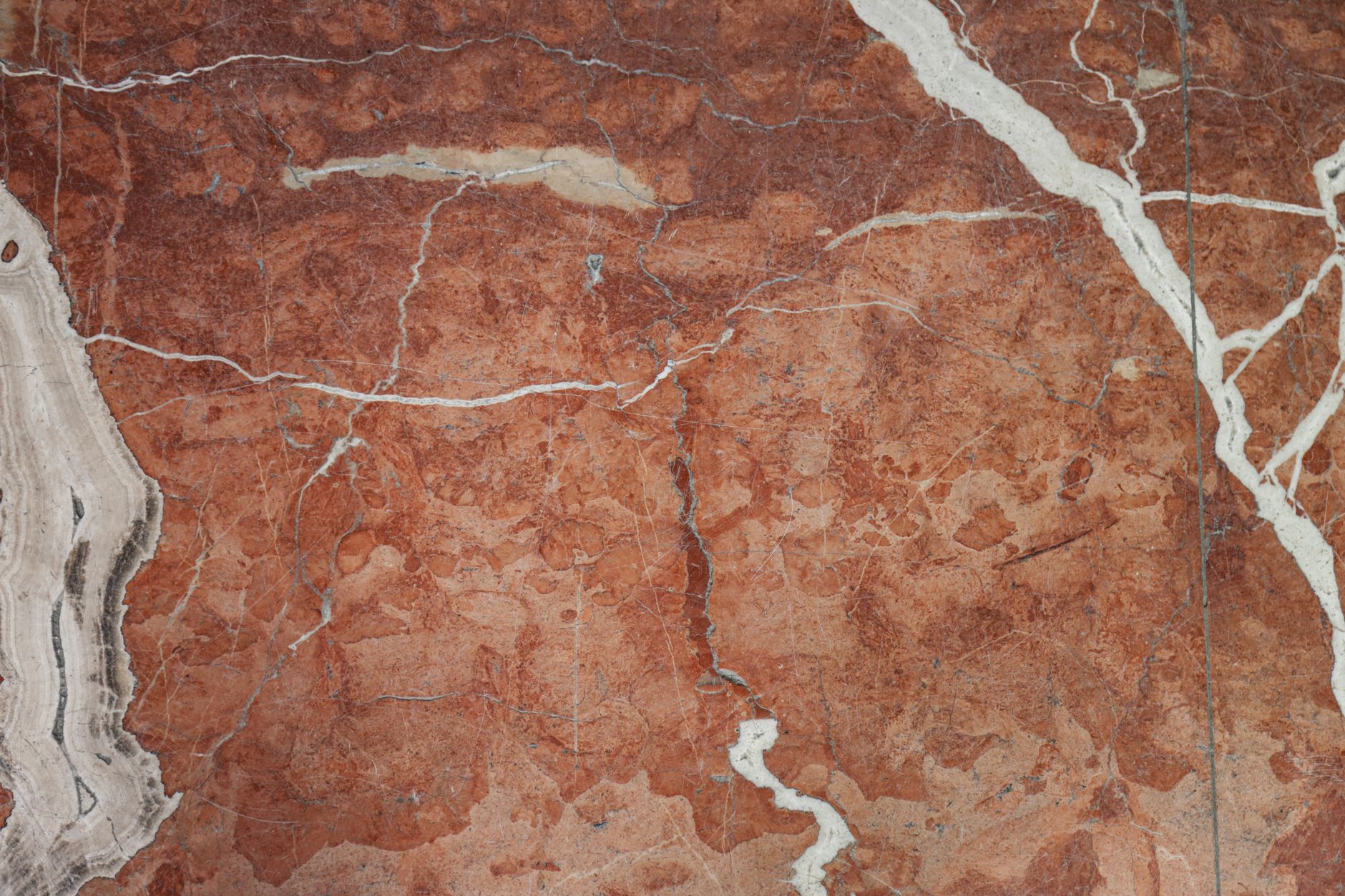
Why quartz and lichen create something you will not find lower down
Lower slopes are softened by soil, peat, grass and heather. Up on the plateau, bare rock meets freezing air with no cushion, so the minerals and the lichens are on show. Quartz veins give a bright, hard skin to the broken stone, while lichens colonise the stable faces between the frost-shattered ones. The mix of sharp pale fractures, mineral seams and slow crusts is rare in Britain, because few other places combine this height, this much rock and this much weather.
It is a distant cousin of what happens on far humbler stone. We have looked at the silica crust forming on Stonehenge’s sarsens, where mineral skins protect rather than destroy. On the Ben the balance tips towards destruction, with life holding on in the gaps.
Practical points for a winter visit
The summit in winter is serious ground. Plateau navigation in cloud is notoriously tricky because of the cliff edges, including the gullies that drop off the north side, so carry a map and compass and know how to use them. The Mountain Weather Information Service and the Scottish Avalanche Information Service publish forecasts, and you should read both before setting out. Crampons and an ice axe are standard kit when snow and ice lie on the path, and a reliable head torch matters because daylight is short in late November.
If you want a surface to photograph rather than a route to plan, take a small hand lens and a plain notebook. A lens shows the fine detail on quartz and lichen far better than a mobile camera. Before the trip, it is worth having a clear, well-organised route plan written up and saved offline, and a professional Free Websites service is one place a walking club could turn to for a simple page sharing its routes, kit lists and meeting points with members.
For further reading on how mountain shelters cope with similar weather, see our piece on Scotland’s whitewashed bothies. For official guidance on access and conditions, start at the Nevis Range weather information or check the Mountain Weather Information Service before every outing. Pick a clear day, go slowly, and spend ten minutes on your knees by the trig point looking at what the frost has done.
Frequently Asked Questions
What rock is the summit of Ben Nevis made of?
The summit plateau is mostly volcanic lava, laid down in the Devonian period around 400 million years ago. Part of the mountain below is granite. The lava breaks into sharp, angular blocks, which is why the top is such a rough boulder field.
Why do the rocks on Ben Nevis sparkle?
The sparkle comes mainly from frost crystals, wet surfaces and pale quartz veins catching low sunlight. Tiny shiny mineral faces in the rock add to it. It is most noticeable in early or late light, and rarely visible in flat cloud.
What is freeze-thaw weathering?
Freeze-thaw weathering happens when water enters cracks in rock, freezes and expands, widening the crack. Repeated over many cycles, it splits solid rock into blocks. It is strongest where temperatures cross 0°C often and the rock stays damp.
Leave a Reply