

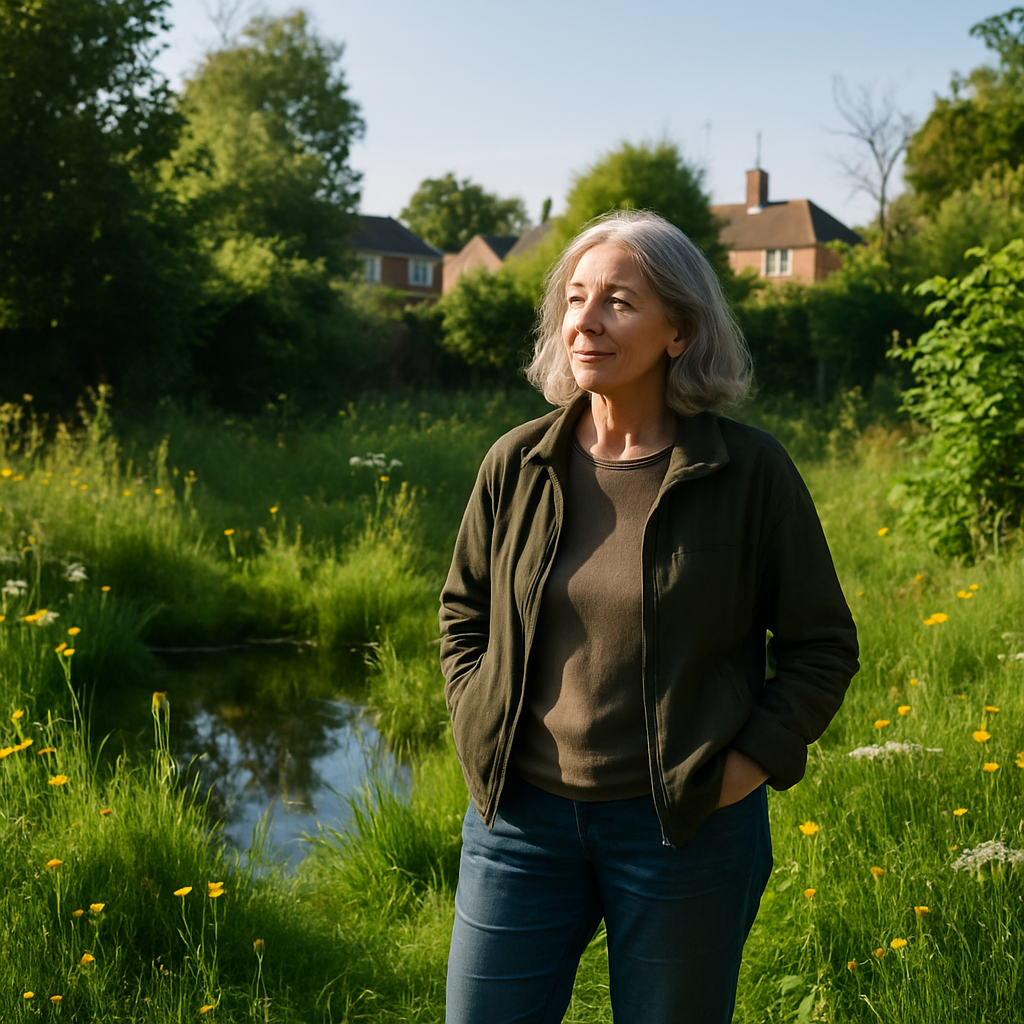
When you have spent as many decades outdoors as I have, you learn that nature rarely needs grand gestures. A patch of long grass here, a fallen log there, and suddenly the place is alive. That is the quiet magic of rewilding your back garden – tiny changes that open the door to wild visitors you never knew were waiting.
What rewilding your back garden really means
People often imagine rewilding as wolves on mountains and vast forests returning. In truth, it can start at your back step. Rewilding your back garden simply means giving a little space back to natural processes, loosening your grip on neatness, and letting plants, insects and soil life do what they do best.
It is not about abandoning your garden, nor turning it into an unruly jungle. It is about shifting the balance from control to cooperation. You still guide, but you do so with a lighter hand, choosing plants that feed wildlife, allowing leaves to lie a little longer, and watching what appears when you stop tidying every corner.
First steps for rewilding your back garden
The hardest step is often in the mind. We have been taught that a good garden is clipped, weeded and obedient. So start small.
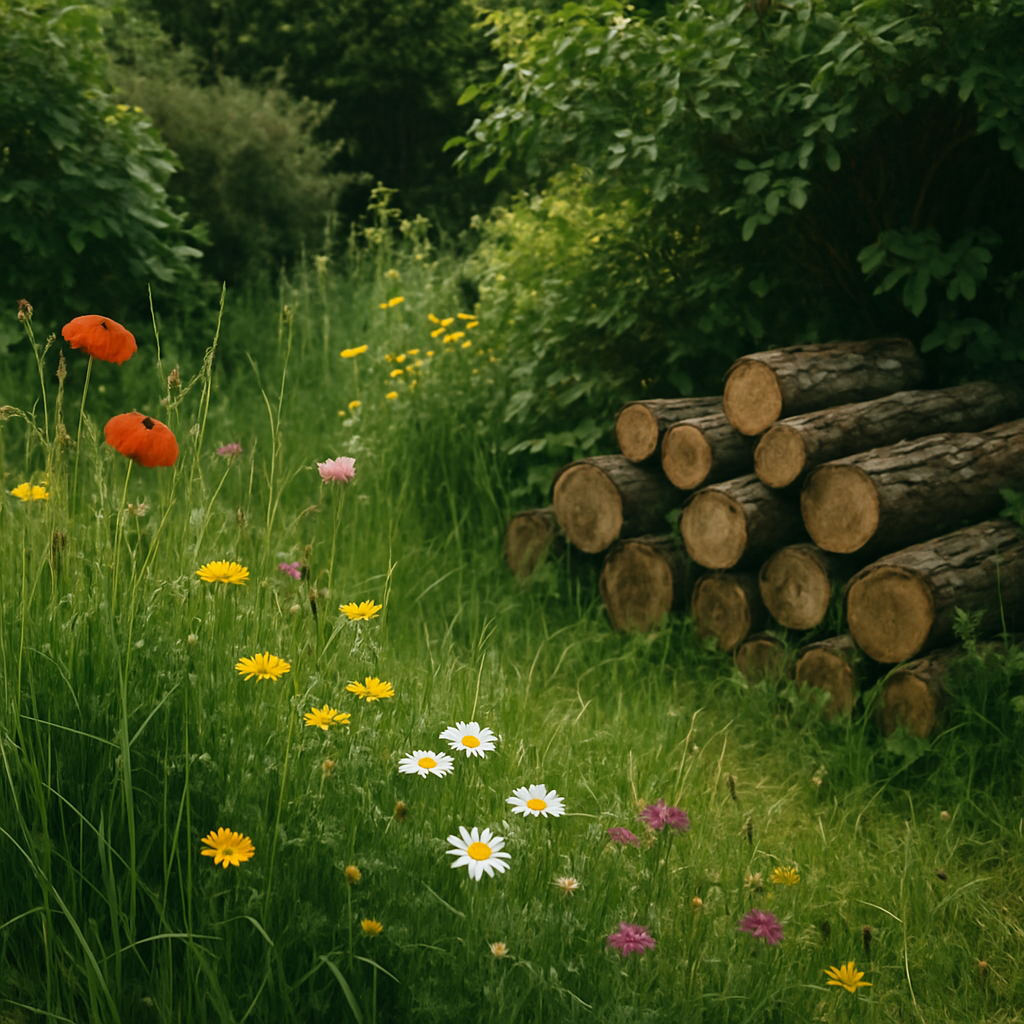
Choose one corner and simply stop mowing it for a season. Let the grass rise, watch the clover bloom, and see which wildflowers creep in from the edges. You might be surprised how quickly bees and butterflies find it. If you are nervous, frame the wildness with a neat path or trimmed edge. A tidy border around a wilder middle reassures the human eye while still pleasing the creatures.
Next, look at your soil. Healthy soil is the quiet engine of rewilding. Avoid digging more than you must, and keep it covered with plants or a light mulch of leaves or woodchip. The worms, beetles and fungi will do the rest, turning dead matter into rich, living earth.
Plants that turn gardens into wildlife havens
When you are rewilding your back garden, think in layers. Trees and shrubs for birds, flowering plants for pollinators, and ground cover for sheltering insects and amphibians.
Native hedgerow shrubs like hawthorn, blackthorn and hazel feed everything from early bees to winter thrushes. A small tree such as rowan or crab apple can fit even a modest garden and will pay you back in blossom, berries and visiting birds.
For flowers, choose single, open blooms rather than the frilly doubles that offer little nectar. Foxglove, knapweed, scabious, catmint and lavender are all excellent hosts for pollinators. If you enjoy a bit of order, group them in drifts, but let self-seeded wanderers remain where they land, at least for a season. Nature is an excellent designer.
Water, shelter and the quieter guests
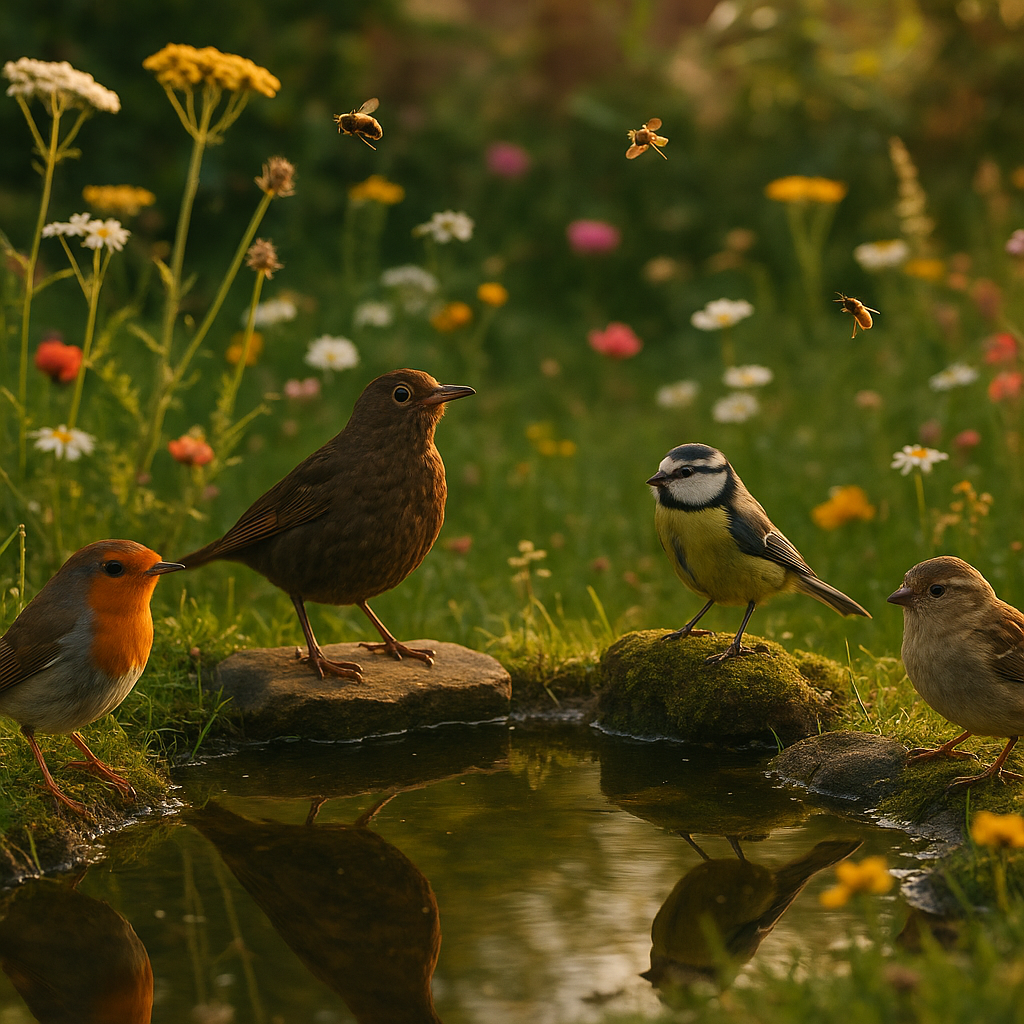
No rewilded space is complete without water. It does not have to be a grand pond. A buried washing-up bowl with a stone ramp, or a half barrel lined and filled, will bring in dragonflies, bathing birds and thirsty hedgehogs. Keep one shallow edge so anything that falls in can climb out again.
Leave some dead wood if you can. A small log pile in a shady corner becomes a block of flats for beetles, centipedes and solitary bees. An untidy heap of twigs and leaves behind a shed might be exactly what a hedgehog or wren is seeking for shelter.
Even your boundaries can help. Instead of solid fencing, a mixed hedge or a fence with planting at its base creates corridors for wildlife to move between gardens, turning individual plots into a patchwork nature reserve. I have seen whole streets transformed this way, each neighbour doing just a little.
Living with the wild: balance, not battle
Once you begin rewilding your back garden, you will meet the full cast of characters – slugs and ladybirds, aphids and lacewings, the lot. Resist the urge to reach for pellets or sprays. Give nature time to balance itself. Where there are aphids, ladybirds follow. Where there are slugs, thrushes and frogs take an interest.
Rewilding your back garden FAQs
Do I need a large space for rewilding your back garden?
No, even a tiny courtyard or balcony can support wildlife if you add containers with nectar rich flowers, a shallow water dish and a few dense plants for shelter. Rewilding your back garden is about how you use the space, not how big it is.
Will rewilding your back garden make it look untidy?
Not if you plan it with care. Keep clear paths, trimmed edges and perhaps a small mown area, then allow other patches to grow longer and more natural. The contrast between neat and wild looks intentional and welcoming rather than neglected.
How long before I see wildlife after rewilding your back garden?
Some visitors, like bees and hoverflies, may appear within days of planting the right flowers or letting grass grow. Birds, hedgehogs and amphibians often follow over months as food and shelter improve. The key is patience and avoiding chemicals that disrupt the natural balance.
Leave a Reply