Author: Ethan

  • Invisible Armour: The Surprising Role of Clear Protective Coatings in Preserving Britain’s Stone Heritage

    Invisible Armour: The Surprising Role of Clear Protective Coatings in Preserving Britain’s Stone Heritage

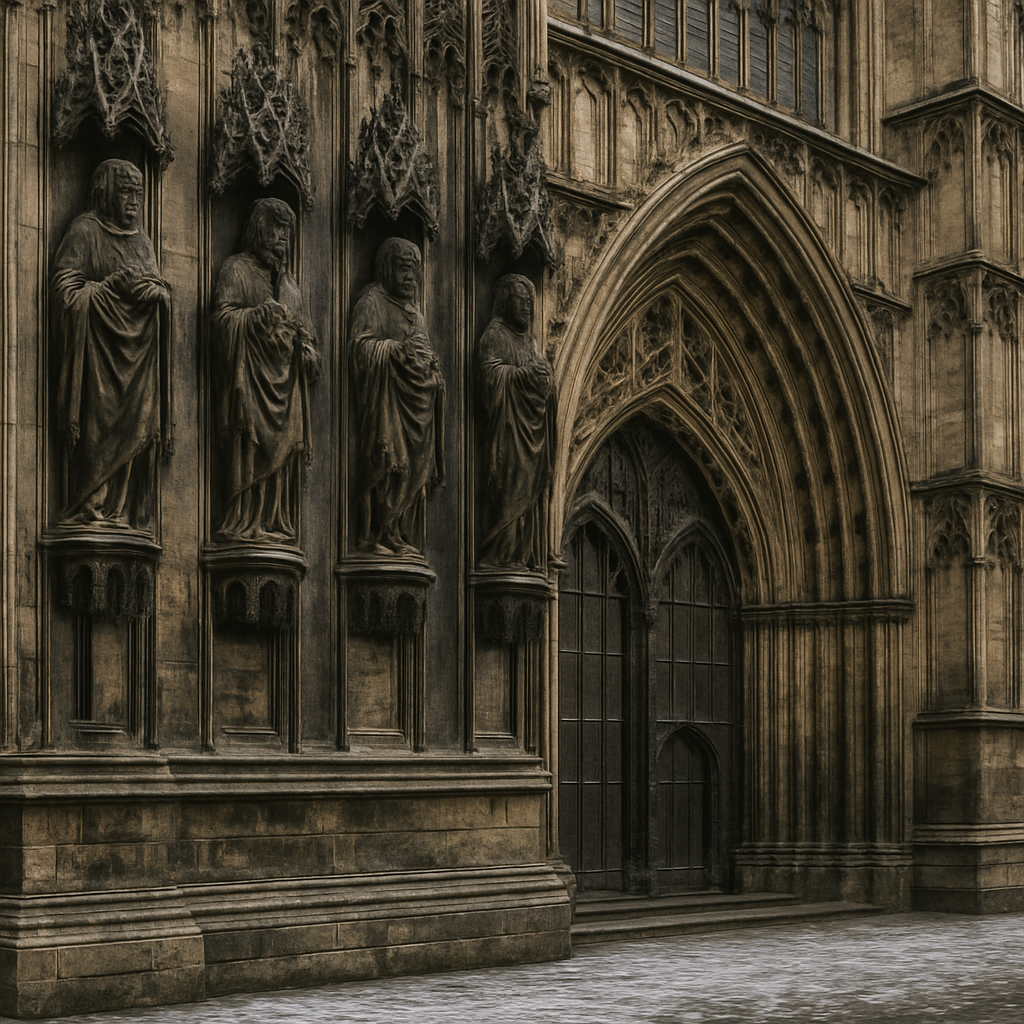
    Walk close enough to the worn face of a medieval castle wall or press your hand against the lichen-draped flank of a Bronze Age standing stone and you feel something that photographs never quite capture: the weight of time itself, locked into the grain of the rock. Britain is extraordinary in its density of ancient stonework, from the Neolithic chambers of Orkney to the soaring Gothic facades of York Minster, from dry-stone field walls threading across Dartmoor to the crumbling artillery forts of the Solent. All of it is under quiet, relentless assault. The application of a clear masonry protective coating UK conservators increasingly rely upon is one of the most understated and effective tools we have to slow that assault, and most visitors will never notice it is there at all.

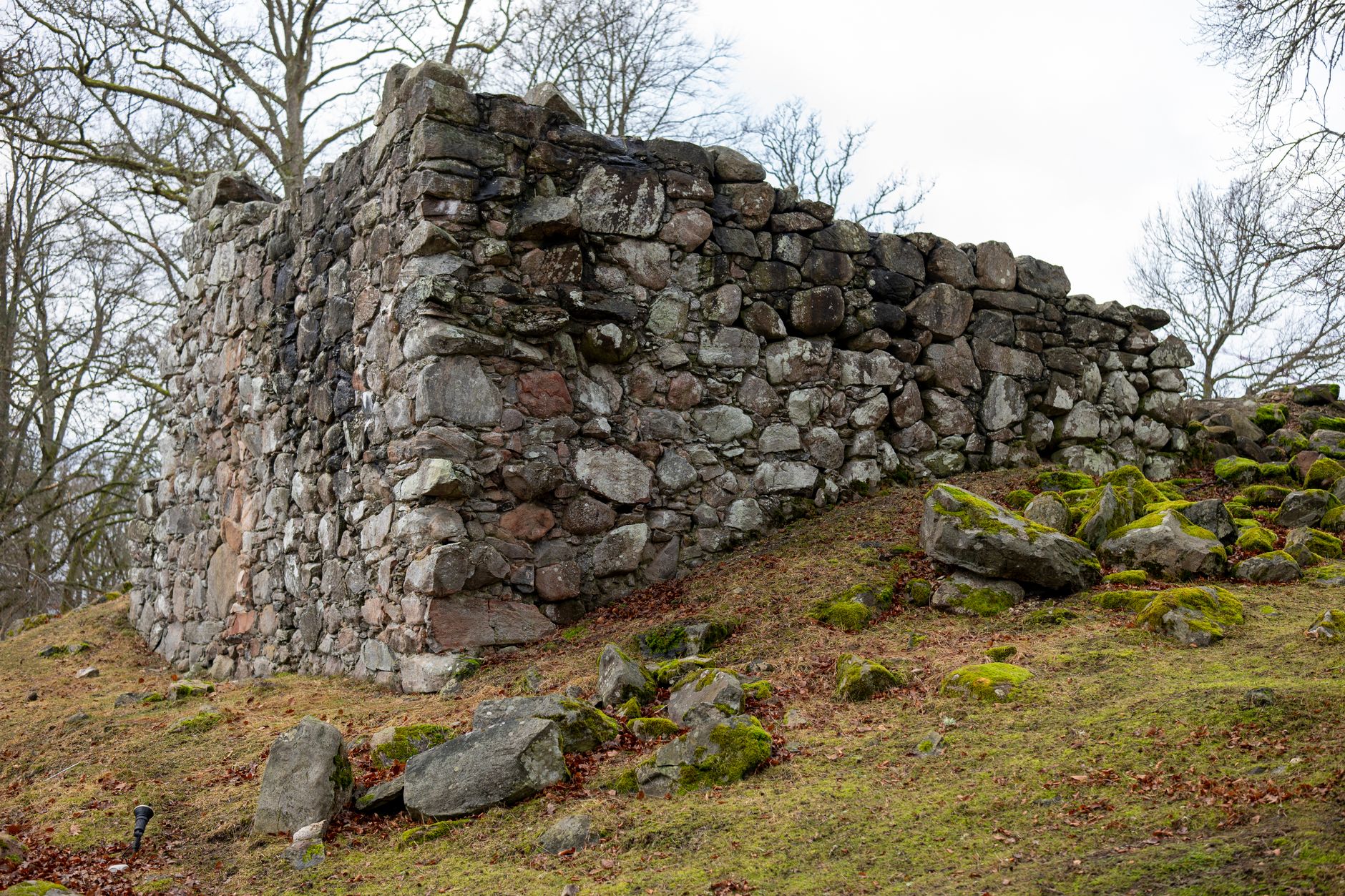
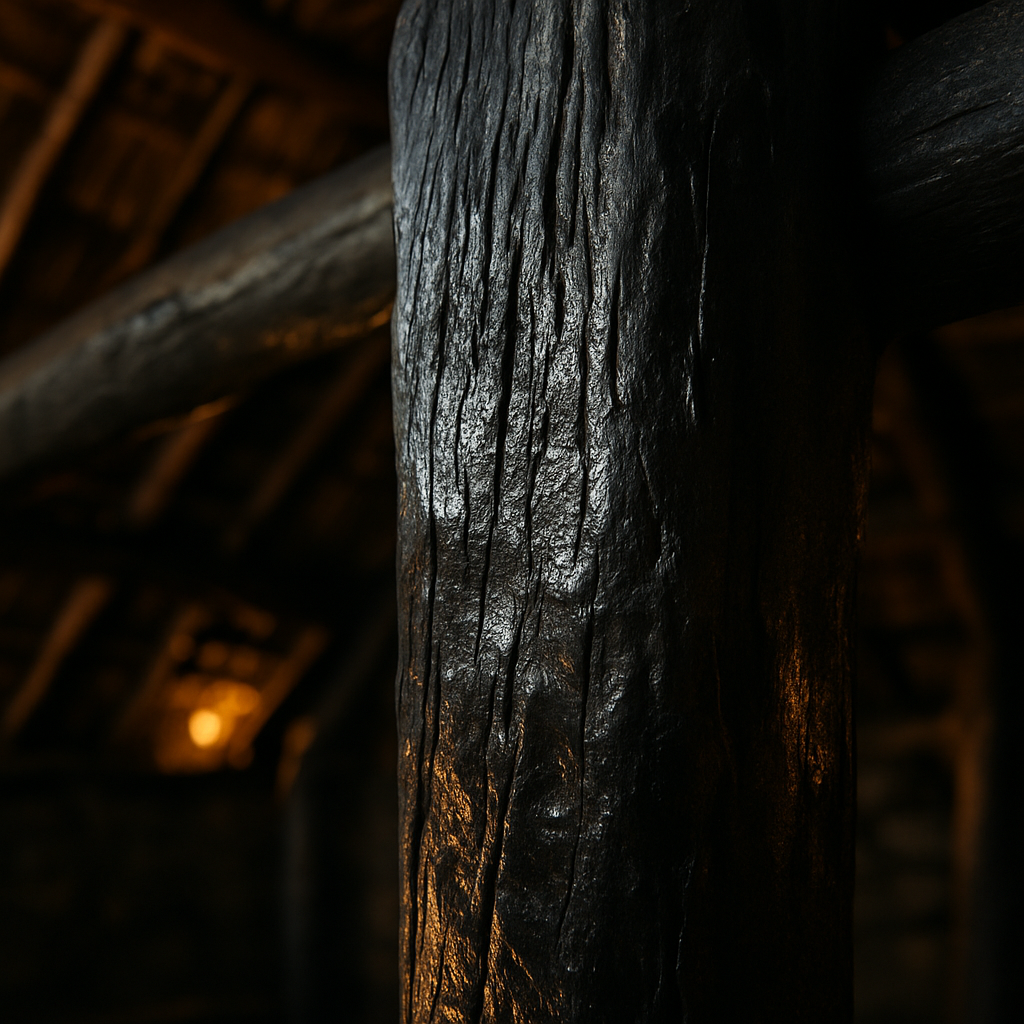
    Weathered medieval castle wall showing stone erosion that clear masonry protective coating UK conservators work to prevent
    Weathered medieval castle wall showing stone erosion that clear masonry protective coating UK conservators work to prevent

    What Is Actually Attacking Britain’s Ancient Stone?

    The threats to historic stonework are multiple and often work in concert. Frost is perhaps the most destructive force in upland Britain. Water penetrates the tiny pores and microcracks within sandstone, limestone and granite, then expands as it freezes. Over years, this process of freeze-thaw cycling breaks the stone from the inside out, flaking surfaces and eventually causing entire sections to collapse. Conservators working at sites across the Scottish Highlands and the Pennines know this damage intimately; it can undo centuries of survival in a handful of particularly brutal winters.

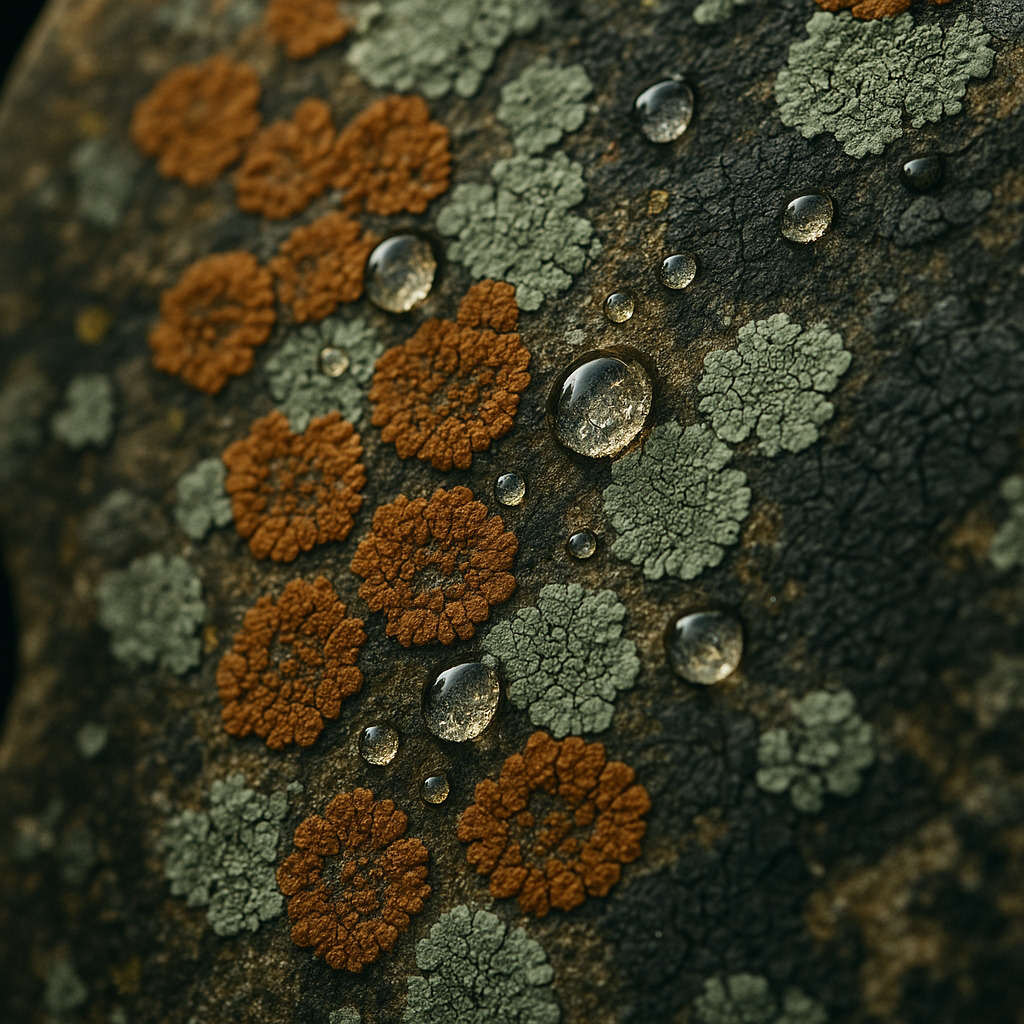
    Then there is pollution. Urban stonework suffers from decades of sulphur dioxide and nitrogen oxide deposits, which react with calcium carbonate in limestone to form gypsum crusts. These crusts trap particulates and moisture, bubbling and eventually pulling the original stone surface away with them when they detach. Even in rural settings, acid rain, agricultural chemical drift and vehicle exhaust finding its way along hedgerow corridors can accelerate biological colonisation by algae, mosses, and the slower but deeply embedded hyphae of lichens. Biological growth is not merely cosmetic; as root structures penetrate the stone fabric, they wedge open existing fractures and chemically alter the surface pH.

    Why Transparency Matters in Heritage Conservation

    For decades, the instinct in heritage conservation was to apply visible interventions: lime-based mortars, stone consolidants, even paint in some unfortunate Victorian cases. The philosophy has shifted. Modern conservation ethics, guided by frameworks including the Burra Charter and the principles of English Heritage, now place enormous weight on reversibility and minimal visible intervention. A coating that alters the appearance of a standing stone or a medieval window surround is largely unacceptable regardless of how effective it might be. This is precisely why the development of genuinely transparent, breathable masonry treatments has been so significant.

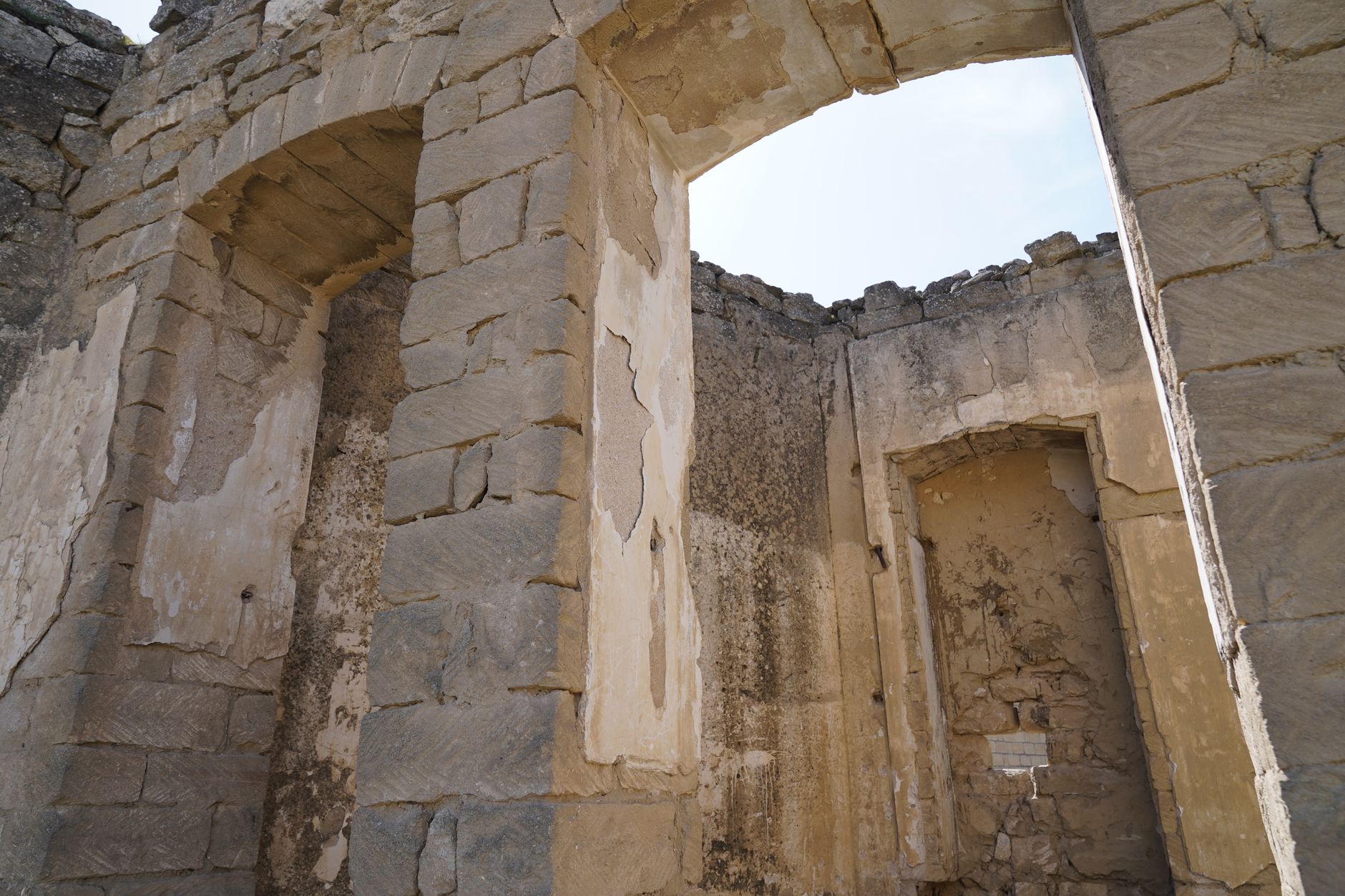
    Heritage conservator applying a clear masonry protective coating UK specialists use on ancient porous sandstone
    Heritage conservator applying a clear masonry protective coating UK specialists use on ancient porous sandstone

    A good clear masonry protective coating UK heritage specialists reach for is not simply an invisible lacquer. The critical distinction is vapour permeability. Stone breathes; moisture vapour must be able to move out through the substrate. Film-forming coatings that seal the surface can trap moisture within the stone fabric, accelerating the very frost damage and biological decay they were intended to prevent. The best modern formulations use silane and siloxane chemistry, penetrating deep into the pore structure of the stone rather than sitting on the surface, bonding at a molecular level to repel liquid water while still allowing the stone to exhale water vapour freely.

    Real Applications Across Britain’s Landscape

    The range of projects where these treatments are now quietly doing their work is remarkable. At Hadrian’s Wall, sections of exposed Roman stonework on the Northumberland moors face extraordinary weathering pressure. Conservators working with Historic England have applied penetrating hydrophobic treatments to vulnerable sections, buying additional decades of stability without any alteration to the appearance of the stone. In Cornwall, the granite obelisks and wayside crosses that mark ancient pilgrimage routes and parish boundaries have benefited similarly. Granite is tough but not impervious; the biological crusts that build on it in the damp Atlantic climate cause measurable surface erosion across centuries.

    Churches present a particularly complex challenge. A typical medieval parish church may incorporate three or four different types of stone from different quarrying periods, each with different porosity, mineralogy and weathering behaviour. Choosing and applying a clear masonry protective coating UK conservators consider appropriate for one section of ashlar might be entirely wrong for the rubble infill a few feet away. This demands careful survey work, often including water absorption testing and petrographic analysis, before any treatment is selected. The days of painting everything with the same product from a single supplier are thankfully well behind the serious conservation profession.

    Standing Stones and the Ethics of Intervention

    Perhaps nowhere is the ethical weight of intervention felt more keenly than at prehistoric monuments. The standing stones of Callanish in the Outer Hebrides or the Avebury henge complex carry a significance that is spiritual and cultural as much as archaeological. Any treatment applied to them carries consequences that outlast individual careers, individual organisations. Conservators working at such sites often spend years in consultation with communities, archaeologists and cultural bodies before a single drop of consolidant or protective treatment is applied.

    Yet the alternative, doing nothing, is itself a choice with consequences. Lichen, while often considered part of the visual character of ancient stones, can in dense colonies cause measurable erosion over decades. Biological surveys at some stone circle sites have documented surface loss of several millimetres over the past century attributed largely to biological activity. A well-researched, appropriately specified treatment, applied by experienced hands, is sometimes the most respectful option available. Invisible does not mean inconsequential, and in the long story of how Britain’s ancient places survive into the future, the quiet chemistry of a clear masonry protective coating UK specialists deploy with care deserves far more credit than it typically receives.

    The Difference Between a Good Product and the Right Product

    Not every product sold as a masonry water repellent is suitable for heritage work. Consumer-grade sealants designed for patio flags or garden walls are formulated for speed and surface-level performance, not for the long-term care of porous historical stone. Heritage-grade treatments are typically tested against standards including BS EN 16581, which covers protective products for porous inorganic materials used in cultural heritage. They are supplied with detailed technical data on vapour transmission rates, depth of penetration, longevity under UV exposure and expected retreatment cycles. For anyone involved in the care of listed buildings, scheduled ancient monuments or simply a fine old garden wall of genuine age, understanding this distinction is the essential first step.

    Britain’s stone heritage is not static. It is a living fabric, weathering and changing even as you read this, somewhere on a rain-swept Pennine hillside or in a sun-warmed churchyard in the Cotswolds. The tools we use to protect it are quietly becoming more sophisticated. And the best of them remain, fittingly, almost entirely invisible.

    Frequently Asked Questions

    What is a clear masonry protective coating and how does it work on old stone?

    A clear masonry protective coating is a water-repellent treatment that penetrates into the pore structure of stone rather than forming a film on the surface. Modern versions typically use silane or siloxane chemistry to bond with the stone at a molecular level, causing water to bead off whilst still allowing water vapour to pass through freely. This breathability is essential for old stonework, where trapping moisture can cause severe frost damage.

    Will a clear masonry protective coating change the appearance of my stone?

    High-quality penetrating treatments are designed to be completely transparent and should not darken, gloss or visibly alter the colour of the stone. However, wet-look or film-forming sealants can alter appearance, so it is important to choose a genuinely penetrating, vapour-permeable product. Always test on a small, inconspicuous area first, and check the technical data sheet before application.

    Can I use a clear masonry protective coating on a listed building in the UK?

    Listed building consent may be required before applying any treatment to a listed structure, including transparent coatings. You should consult your local planning authority’s conservation officer before proceeding. Heritage-grade products tested against standards such as BS EN 16581 are generally viewed more favourably, but professional conservation advice should always be sought for significant historic buildings.

    How long does a clear masonry protective coating last on exterior stone?

    The lifespan depends heavily on the product, the porosity of the substrate and the severity of the exposure. Good-quality silane and siloxane treatments applied to sound stone typically remain effective for between 10 and 25 years before retreatment is needed. Highly porous limestone or sandstone in exposed upland locations may require retreatment sooner than dense granite in a sheltered setting.

    Does a clear masonry protective coating stop lichen and algae growing on stone?

    A hydrophobic masonry treatment reduces the moisture available at the stone surface, which makes it less hospitable to biological colonisation over time. It does not instantly kill existing growth, and for heavy lichen infestations a separate biocidal treatment applied prior to the protective coating is usually recommended. The combination of biocide followed by a water repellent is considered best practice in heritage conservation.

  • Why Rewilding Britain Is One of the Most Exciting Shifts in Our Landscape

    Why Rewilding Britain Is One of the Most Exciting Shifts in Our Landscape

    There is something quietly extraordinary happening across the hills, bogs and forgotten valleys of these islands. Rewilding Britain has moved well beyond the fringes of conservation debate and into the mainstream, with landowners, communities and government bodies all starting to take the idea seriously. For those of us who have spent decades walking the uplands and watching the slow disappearance of species and song, this feels like a long-overdue turning of the tide.

    What Does Rewilding Actually Mean?

    Rewilding is not simply letting a field go to seed and hoping for the best. At its heart, it is about restoring the natural processes that once governed our landscapes – the grazing patterns of large animals, the flooding cycles of river valleys, the slow creep of woodland across open ground. It is about stepping back and allowing nature to make its own decisions, rather than managing every blade of grass and dictating which species belong where.

    In Britain, some of the most compelling examples involve the reintroduction of keystone species. Beavers have returned to rivers in Scotland, Devon and Wales, where their dam-building activity slows flood water, raises water tables and creates wetland habitat that supports extraordinary webs of life. White-tailed eagles now soar over the Isle of Wight and the east coast of England. Even discussions about wolf reintroduction in the Scottish Highlands – once dismissed as fantasy – are being held with genuine seriousness.

    Rewilding Britain and the Climate Argument

    The case for rewilding Britain is not purely sentimental, though sentiment is no bad thing. Restored peatlands, native woodland and saltmarshes lock away carbon at extraordinary rates. A degraded blanket bog releases carbon; a healthy one sequesters it. The same logic applies to ancient grasslands, kelp forests and coastal wetlands. Investing in wild nature is, in practical terms, one of the most cost-effective responses we have to climate breakdown.

    This overlaps neatly with growing interest in whole-building and landscape approaches to sustainability. Just as homeowners and businesses are turning to energy efficiency solutions to reduce their environmental footprint, landowners and estates are discovering that working with natural systems rather than against them produces better outcomes – for wildlife, for flood resilience and for long-term productivity.

    The Human Side of Wild Places

    One aspect of rewilding Britain that deserves more attention is what it does for people. There is solid evidence that access to genuinely wild places – places with a degree of unpredictability, with predators and deep silence – is profoundly good for human wellbeing. The manicured countryside we have inherited, beautiful as parts of it are, can feel oddly sterile. A forest where you might hear a pine marten or stumble upon a beaver-flooded meadow offers something fundamentally different.

    Younger generations in particular seem hungry for this kind of encounter with raw nature. Ecotourism built around rewilded landscapes is already generating income for rural communities in Scotland and Wales, offering an economic argument for wild recovery that sits alongside the ecological and moral ones.

    Challenges That Cannot Be Ignored

    It would be dishonest to present rewilding Britain as straightforward. Farmers, particularly those working marginal upland ground, have legitimate concerns about land use, livelihoods and the cultural knowledge embedded in traditional practices. Rewilding must not become another thing done to rural communities rather than with them. The most successful projects – Knepp in Sussex, Alladale in the Scottish Highlands, the Cairngorms Connect partnership – have all involved careful, ongoing conversation with local people.

    There are also genuine ecological complexities. Britain is a small, densely populated island. Reintroducing apex predators requires large, connected wild spaces that simply do not exist in most of England. Pragmatism and ambition must travel together.

    A Landscape Worth Fighting For

    For all its complications, the momentum behind rewilding Britain feels genuinely hopeful. After a century of loss – of species, of habitat, of the sheer richness that once characterised these islands – there is a real possibility that we are beginning to move in the right direction. That is worth celebrating, and worth supporting with every tool available to us.

    A beaver dam in an English lowland wetland reflecting the progress of rewilding Britain
    A wildflower meadow bursting with life as part of a rewilding Britain restoration project

    Rewilding Britain FAQs

    Where can I see rewilding projects in Britain?

    Some of the best-known examples include Knepp Wildland in West Sussex, the Cairngorms Connect project in the Scottish Highlands, and the Cors Dyfi nature reserve in Wales. Many of these sites offer guided visits, and some have public footpaths that let you explore the rewilded landscape for yourself.

    Does rewilding mean no farming at all?

    Not necessarily. Rewilding exists on a spectrum. Some projects involve taking entire estates out of intensive production, while others integrate wild corridors, hedgerow restoration and low-intensity grazing with continued farming. The aim is to restore ecological function, not to remove all human activity from the land.

    How does rewilding help with flooding?

    Rewilded landscapes tend to slow and absorb water far more effectively than intensively managed ground. Beavers create dams and wetlands that hold back flood peaks, while restored peatlands and native woodland act as natural sponges. This can significantly reduce downstream flood risk in towns and villages situated in river valleys.

  • How Local Markets Keep Our High Streets Wild at Heart

    How Local Markets Keep Our High Streets Wild at Heart

    When people talk about saving the planet, they usually picture distant rainforests or melting ice, not the queue outside the greengrocer. Yet the choices we make on a Saturday morning can echo all the way to the hedgerows, rivers and nesting sites beyond town. That is the quiet power of nature friendly shopping, and I have watched it grow and change over more seasons than I care to count.

    What is nature friendly shopping, really?

    Nature friendly shopping is less about buzzwords and more about habits. It means buying in ways that give land, water and wildlife a chance to breathe. In practice, that often looks like choosing seasonal food from nearby farms, favouring stalls that cut down on packaging, and supporting traders who know where their goods come from.

    When you stand at a market stall and the person serving you can tell you which field the carrots came from, you are no longer just a customer. You are part of a small, local chain that joins soil, grower and plate. That short chain usually means fewer lorries on the road, less refrigeration, and more room in the countryside for hedges, ponds and messy corners where nature quietly thrives.

    How local markets protect the landscape

    I have walked enough footpaths to know that the healthiest fields are rarely the tidiest. They have rough margins buzzing with insects, old oaks in the hedges and birds lifting from the stubble. Farmers who sell directly through local markets often tell me they feel freer to farm with wildlife in mind. A loyal queue of customers will forgive a knobbly apple if they know it was grown without drenching the orchard in chemicals.

    By choosing those apples, you reward the sort of farming that leaves room for skylarks and barn owls. That is nature friendly shopping in action: your basket quietly voting for a patchwork landscape instead of a bare, silent monoculture. Over time, enough of those small votes can keep a local farm afloat, and with it the footpaths, dry stone walls and hedgerows that stitch the countryside together.

    High street habits that help wildlife

    You do not need to live in a postcard village to make a difference. Even in the middle of a busy town, small changes add up. Carrying a cloth bag, choosing loose fruit over plastic trays, or refilling a bottle of washing-up liquid all cut down the tide of waste that spills out of our homes and into rivers and seas.

    Look, too, for shops that stock local honey, bread from nearby bakeries, or beers from regional breweries. Each of those has a footprint that is usually lighter on transport and storage. The bees that made the honey are likely to be working the very hedgerows you pass on a Sunday walk, pollinating wildflowers and orchard blossom as they go.

    Connecting town and countryside

    One of the most hopeful trends I have seen is the way markets are weaving town and country back together. Farmers who once felt invisible now chat every week with people who eat their food. Urban shoppers learn which vegetables cope best with late frosts, or why a wet spring means fewer cherries. It is a quiet exchange of knowledge, and it breeds respect on both sides.

    Some of these traders now use simple online tools to let people find local products before they set out. The screen is only the signpost, though. The real magic still happens when you are standing in front of a stall, brushing soil from a potato while a blackbird sings from the nearest rooftop tree.

    Simple steps towards nature friendly shopping

    If you are not sure where to start, begin with one small habit and let it grow, like a sapling in a sheltered corner. Visit a market once a month and buy just a few things. Ask one question about where your food comes from. Swap a plastic-wrapped item for a loose alternative. As the seasons turn, you will find yourself drawn into the rhythm of local harvests: the first forced rhubarb, the brief glory of asparagus, the comforting return of winter roots.

    Patchwork fields and hedgerows around a village high street showing how the countryside benefits from nature friendly shopping
    Older shopper selecting loose vegetables at a local market as part of nature friendly shopping habits

    Nature friendly shopping FAQs

    How can I start nature friendly shopping if I only have supermarkets nearby?

    Begin by choosing loose fruit and vegetables instead of pre packed trays, bringing your own bags and avoiding unnecessary plastic where you can. Look for seasonal produce grown in your own country, which usually has a lower transport footprint. Even in a supermarket, small shifts in what you choose and how much packaging you accept can move you gently towards nature friendly shopping.

    Does nature friendly shopping cost more than normal shopping?

    Sometimes individual items can be a little dearer, especially if they are produced on a smaller scale, but you often gain in freshness and flavour. Many people find they waste less food when they buy thoughtfully from local traders, which can balance the budget. Focusing on simple, seasonal ingredients is a good way to keep costs steady while still supporting nature friendly shopping habits.

    What should I look for at a local market to support wildlife friendly farms?

    Talk to stallholders about how they grow or source their goods. Ask whether they use pesticides sparingly, keep hedgerows, or leave wild margins around fields. Look for a mix of seasonal produce, some cosmetic imperfections and clear knowledge of where items come from. These are often signs that your purchases are part of genuinely nature friendly shopping that leaves room for birds, insects and wildflowers.

  • Why Sustainable Fashion Matters More Than Ever For Our Planet

    Why Sustainable Fashion Matters More Than Ever For Our Planet

    As climate warnings grow louder and biodiversity continues to decline, sustainable fashion is finally moving from niche interest to mainstream concern. What we wear has a direct impact on rivers, forests, wildlife and the communities who live closest to nature. The question is no longer whether our wardrobes affect the planet, but how quickly we can change them for the better.

    How clothing harms the environment

    The fashion industry is responsible for vast amounts of carbon emissions, water use and chemical pollution. Synthetic fibres like polyester are made from fossil fuels, and every wash sheds tiny plastic fibres into rivers and seas. Conventional cotton relies heavily on pesticides and irrigation, placing huge pressure on soils and freshwater.

    Fast fashion has also normalised overconsumption. Clothes are treated as disposable, worn a handful of times before being dumped or burned. This constant churn drives demand for ever more raw materials, clearing land for monoculture crops and pushing wildlife out of its habitat. Landfills filled with textiles leak dyes and microplastics into the surrounding environment for years.

    What sustainable fashion really means

    At its heart, sustainable fashion is about respecting ecological limits and people at every stage of the supply chain. It goes beyond swapping one fabric for another and looks at the full life cycle of a garment, from raw material to recycling or composting.

    Key principles include reducing resource use, choosing low impact materials, paying workers fairly and designing clothes that last. It also means slowing down the rate at which we buy, shifting from trend driven shopping to thoughtful, long term choices. When we take this approach, every item in our wardrobe becomes a small environmental decision.

    Natural materials and their impact on nature

    Many people assume natural fibres are always better for the planet, but the picture is more complex. Conventional cotton, for example, can deplete soils and contaminate waterways if grown with heavy pesticide and fertiliser use. Wool production can damage fragile upland habitats when grazing is poorly managed.

    More responsible options include organic cotton, linen, hemp and responsibly sourced wool. These can support healthier soils, greater biodiversity and cleaner water when farmed with care. Regenerative agriculture, which focuses on rebuilding ecosystems rather than simply extracting from them, is increasingly being used to grow fibre crops as well as food.

    The rise of local and small scale makers

    One of the most positive shifts in sustainable fashion is the renewed interest in local, small scale production. Independent makers often work with limited runs, repair services and long lasting designs. This reduces waste, cuts transport emissions and reconnects people with the story behind their clothes.

    For example, some small brands create collections from fabric offcuts, deadstock or recycled textiles, turning potential waste into something new. Others focus on traditional skills such as weaving, tanning or leatherwork, supporting rural livelihoods and keeping heritage crafts alive. A number of artisans producing Handmade handbags also prioritise durable materials and timeless styles that can be used for many years.

    How to build a more planet friendly wardrobe

    Shifting to sustainable fashion does not require replacing everything you own. In fact, the most sustainable clothes are usually the ones already in your wardrobe. Start by wearing what you have for longer, repairing items instead of discarding them and learning basic mending skills.

    When you do need something new, choose quality over quantity. Look for natural or recycled fibres, transparent supply chains and brands that offer repairs or take back schemes. Buying second hand, swapping with friends and renting for special occasions all help reduce demand for virgin materials and protect natural habitats from further exploitation.

    Why our clothing choices matter for the outdoors we love

    The health of rivers, forests, coastlines and wildlife rich landscapes is tied to the way we dress. Dyes and finishing chemicals can poison aquatic life, while land cleared for fibre crops reduces space for pollinators and other species. Microplastics from synthetic clothing have been found everywhere from deep ocean trenches to Arctic snow.

    Artisan sewing with natural materials as part of sustainable fashion movement
    Outdoor clothes rail of eco-friendly garments showcasing sustainable fashion choices

    Sustainable fashion FAQs

    Is buying second hand better for the environment than buying new?

    In most cases, yes. Buying second hand extends the life of existing garments and avoids the resource use, emissions and pollution associated with producing new items. It also helps keep textiles out of landfill. The environmental benefits are greatest when you choose good quality pieces you will wear often, avoid impulse buys and care for them so they last.

    Which fabrics are the least harmful to nature?

    Lower impact options typically include organic cotton, linen, hemp, TENCEL and responsibly sourced wool. These can use fewer chemicals and support healthier soils and biodiversity when produced carefully. Recycled fibres, such as recycled cotton or polyester from existing textiles, can also reduce demand for virgin raw materials. However, how a fabric is dyed, finished and transported also plays a big role in its overall footprint.

    How can I start supporting sustainable fashion on a tight budget?

    Begin by making the most of what you already own: repair, alter and restyle existing clothes instead of replacing them. Explore charity shops, resale platforms and clothing swaps to find quality pieces at lower cost. Focus on buying fewer, better items, choosing versatile styles that work across seasons. Simple habits like washing at cooler temperatures and air drying will also help your clothes last longer, stretching both your budget and their environmental value.