

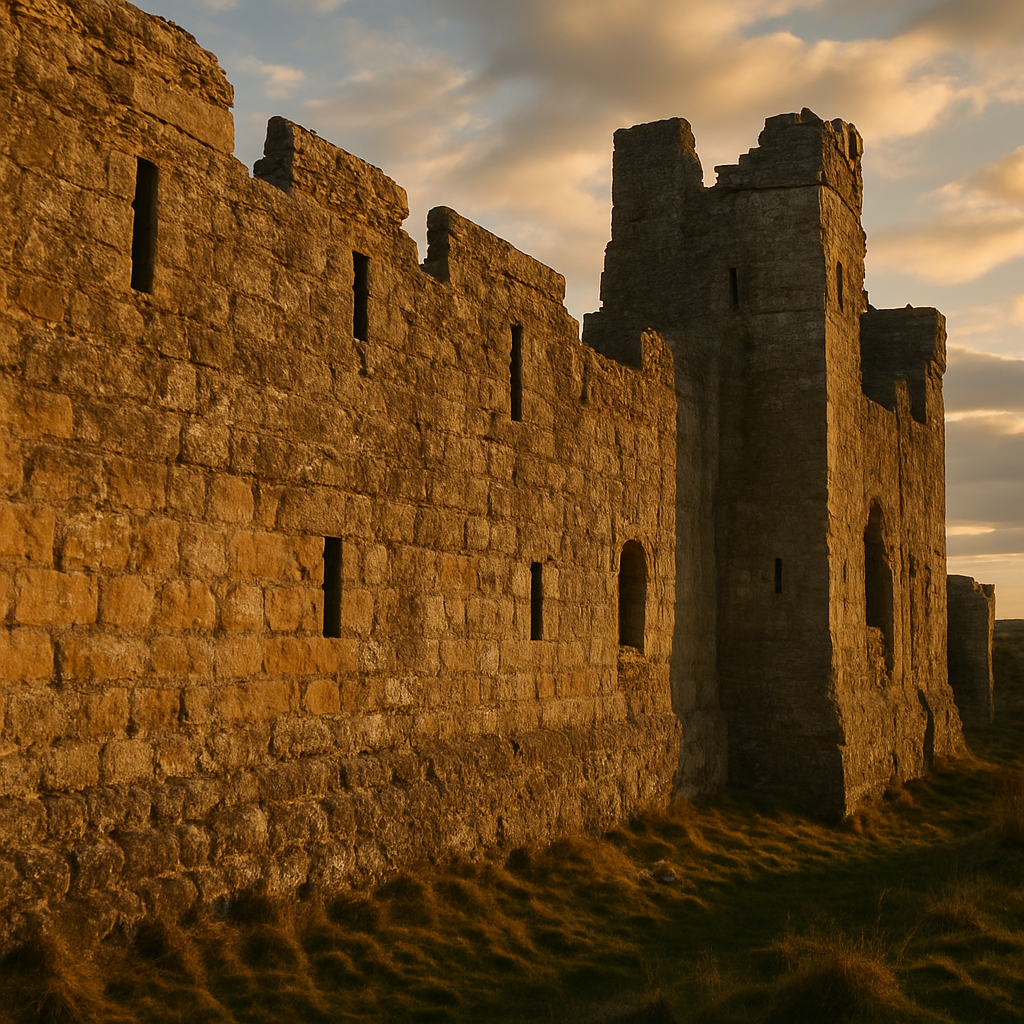
Walk close enough to the worn face of a medieval castle wall or press your hand against the lichen-draped flank of a Bronze Age standing stone and you feel something that photographs never quite capture: the weight of time itself, locked into the grain of the rock. Britain is extraordinary in its density of ancient stonework, from the Neolithic chambers of Orkney to the soaring Gothic facades of York Minster, from dry-stone field walls threading across Dartmoor to the crumbling artillery forts of the Solent. All of it is under quiet, relentless assault. The application of a clear masonry protective coating UK conservators increasingly rely upon is one of the most understated and effective tools we have to slow that assault, and most visitors will never notice it is there at all.
What Is Actually Attacking Britain’s Ancient Stone?
The threats to historic stonework are multiple and often work in concert. Frost is perhaps the most destructive force in upland Britain. Water penetrates the tiny pores and microcracks within sandstone, limestone and granite, then expands as it freezes. Over years, this process of freeze-thaw cycling breaks the stone from the inside out, flaking surfaces and eventually causing entire sections to collapse. Conservators working at sites across the Scottish Highlands and the Pennines know this damage intimately; it can undo centuries of survival in a handful of particularly brutal winters.
Then there is pollution. Urban stonework suffers from decades of sulphur dioxide and nitrogen oxide deposits, which react with calcium carbonate in limestone to form gypsum crusts. These crusts trap particulates and moisture, bubbling and eventually pulling the original stone surface away with them when they detach. Even in rural settings, acid rain, agricultural chemical drift and vehicle exhaust finding its way along hedgerow corridors can accelerate biological colonisation by algae, mosses, and the slower but deeply embedded hyphae of lichens. Biological growth is not merely cosmetic; as root structures penetrate the stone fabric, they wedge open existing fractures and chemically alter the surface pH.
Why Transparency Matters in Heritage Conservation
For decades, the instinct in heritage conservation was to apply visible interventions: lime-based mortars, stone consolidants, even paint in some unfortunate Victorian cases. The philosophy has shifted. Modern conservation ethics, guided by frameworks including the Burra Charter and the principles of English Heritage, now place enormous weight on reversibility and minimal visible intervention. A coating that alters the appearance of a standing stone or a medieval window surround is largely unacceptable regardless of how effective it might be. This is precisely why the development of genuinely transparent, breathable masonry treatments has been so significant.
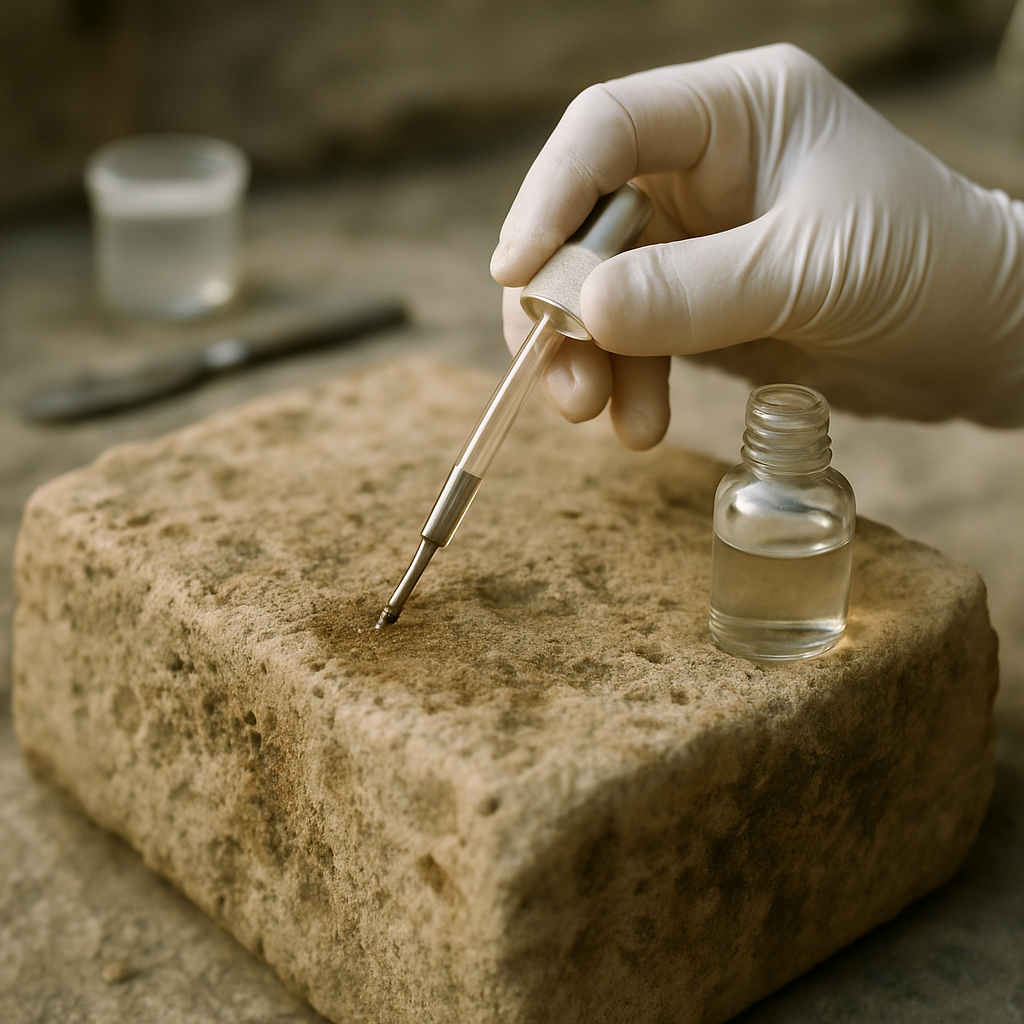
A good clear masonry protective coating UK heritage specialists reach for is not simply an invisible lacquer. The critical distinction is vapour permeability. Stone breathes; moisture vapour must be able to move out through the substrate. Film-forming coatings that seal the surface can trap moisture within the stone fabric, accelerating the very frost damage and biological decay they were intended to prevent. The best modern formulations use silane and siloxane chemistry, penetrating deep into the pore structure of the stone rather than sitting on the surface, bonding at a molecular level to repel liquid water while still allowing the stone to exhale water vapour freely.
Real Applications Across Britain’s Landscape
The range of projects where these treatments are now quietly doing their work is remarkable. At Hadrian’s Wall, sections of exposed Roman stonework on the Northumberland moors face extraordinary weathering pressure. Conservators working with Historic England have applied penetrating hydrophobic treatments to vulnerable sections, buying additional decades of stability without any alteration to the appearance of the stone. In Cornwall, the granite obelisks and wayside crosses that mark ancient pilgrimage routes and parish boundaries have benefited similarly. Granite is tough but not impervious; the biological crusts that build on it in the damp Atlantic climate cause measurable surface erosion across centuries.
Churches present a particularly complex challenge. A typical medieval parish church may incorporate three or four different types of stone from different quarrying periods, each with different porosity, mineralogy and weathering behaviour. Choosing and applying a clear masonry protective coating UK conservators consider appropriate for one section of ashlar might be entirely wrong for the rubble infill a few feet away. This demands careful survey work, often including water absorption testing and petrographic analysis, before any treatment is selected. The days of painting everything with the same product from a single supplier are thankfully well behind the serious conservation profession.
Standing Stones and the Ethics of Intervention
Perhaps nowhere is the ethical weight of intervention felt more keenly than at prehistoric monuments. The standing stones of Callanish in the Outer Hebrides or the Avebury henge complex carry a significance that is spiritual and cultural as much as archaeological. Any treatment applied to them carries consequences that outlast individual careers, individual organisations. Conservators working at such sites often spend years in consultation with communities, archaeologists and cultural bodies before a single drop of consolidant or protective treatment is applied.
Yet the alternative, doing nothing, is itself a choice with consequences. Lichen, while often considered part of the visual character of ancient stones, can in dense colonies cause measurable erosion over decades. Biological surveys at some stone circle sites have documented surface loss of several millimetres over the past century attributed largely to biological activity. A well-researched, appropriately specified treatment, applied by experienced hands, is sometimes the most respectful option available. Invisible does not mean inconsequential, and in the long story of how Britain’s ancient places survive into the future, the quiet chemistry of a clear masonry protective coating UK specialists deploy with care deserves far more credit than it typically receives.
The Difference Between a Good Product and the Right Product
Not every product sold as a masonry water repellent is suitable for heritage work. Consumer-grade sealants designed for patio flags or garden walls are formulated for speed and surface-level performance, not for the long-term care of porous historical stone. Heritage-grade treatments are typically tested against standards including BS EN 16581, which covers protective products for porous inorganic materials used in cultural heritage. They are supplied with detailed technical data on vapour transmission rates, depth of penetration, longevity under UV exposure and expected retreatment cycles. For anyone involved in the care of listed buildings, scheduled ancient monuments or simply a fine old garden wall of genuine age, understanding this distinction is the essential first step.
Britain’s stone heritage is not static. It is a living fabric, weathering and changing even as you read this, somewhere on a rain-swept Pennine hillside or in a sun-warmed churchyard in the Cotswolds. The tools we use to protect it are quietly becoming more sophisticated. And the best of them remain, fittingly, almost entirely invisible.
Frequently Asked Questions
What is a clear masonry protective coating and how does it work on old stone?
A clear masonry protective coating is a water-repellent treatment that penetrates into the pore structure of stone rather than forming a film on the surface. Modern versions typically use silane or siloxane chemistry to bond with the stone at a molecular level, causing water to bead off whilst still allowing water vapour to pass through freely. This breathability is essential for old stonework, where trapping moisture can cause severe frost damage.
Will a clear masonry protective coating change the appearance of my stone?
High-quality penetrating treatments are designed to be completely transparent and should not darken, gloss or visibly alter the colour of the stone. However, wet-look or film-forming sealants can alter appearance, so it is important to choose a genuinely penetrating, vapour-permeable product. Always test on a small, inconspicuous area first, and check the technical data sheet before application.
Can I use a clear masonry protective coating on a listed building in the UK?
Listed building consent may be required before applying any treatment to a listed structure, including transparent coatings. You should consult your local planning authority’s conservation officer before proceeding. Heritage-grade products tested against standards such as BS EN 16581 are generally viewed more favourably, but professional conservation advice should always be sought for significant historic buildings.
How long does a clear masonry protective coating last on exterior stone?
The lifespan depends heavily on the product, the porosity of the substrate and the severity of the exposure. Good-quality silane and siloxane treatments applied to sound stone typically remain effective for between 10 and 25 years before retreatment is needed. Highly porous limestone or sandstone in exposed upland locations may require retreatment sooner than dense granite in a sheltered setting.
Does a clear masonry protective coating stop lichen and algae growing on stone?
A hydrophobic masonry treatment reduces the moisture available at the stone surface, which makes it less hospitable to biological colonisation over time. It does not instantly kill existing growth, and for heavy lichen infestations a separate biocidal treatment applied prior to the protective coating is usually recommended. The combination of biocide followed by a water repellent is considered best practice in heritage conservation.
Leave a Reply