

There is something almost unsettling about a building clad in blackened wood. The first time I came across a barn near Hawick with its timbers burned to a deep, lustrous char, I assumed it had suffered some long-ago fire and been left to moulder. I was wrong. The farmer who owned it told me his grandfather had done it deliberately, the way his grandfather before him had, with nothing more than a blowtorch and a steady hand. The wood beneath that crust was, he reckoned, harder than anything the local sawmill could produce. He was right to trust the old knowledge.
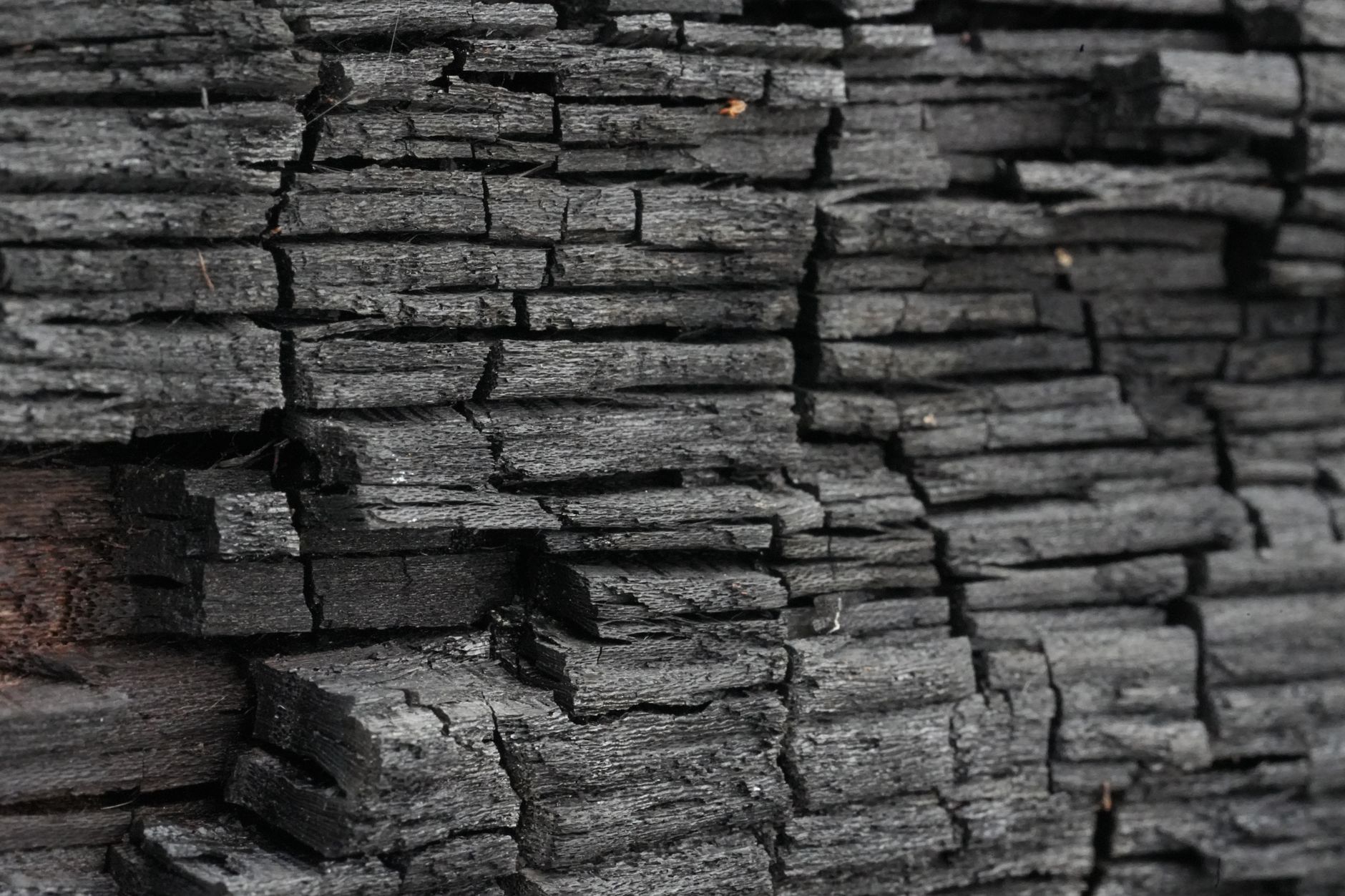
We are, right now, living through an odd moment in building and renovation culture. A Japanese technique called Shou Sugi Ban, which involves charring the surface of timber to create a protective, near-indestructible skin, has gone from being the preserve of specialist architects to appearing in planning applications across rural Wales, the Scottish Borders, and pretty much anywhere that has a decent arts festival and a Pinterest board. But here is the thing worth saying plainly: Britain did this first. Or rather, Britain did it independently, quietly, and without ever giving it a name.
What charred timber actually does to wood
Burning wood sounds like destruction. What it actually produces, when done correctly, is a controlled transformation. The outermost layer of the timber chars into carbon, which is chemically inert. Carbon does not rot. It is not a food source for the fungi that cause wood decay. Insects, including the wood-boring beetles that have destroyed countless historic barns across Britain, find no purchase in it. The char also repels water, because the carbon-rich surface becomes hydrophobic, letting rain bead off rather than soak in.
Japanese cedar, known as sugi, was the traditional timber of choice in Japan, where the technique is believed to have developed sometime in the 18th century. But the principle holds for almost any softwood. In Britain, oak fence posts were commonly scorched over open fires before being driven into the ground, precisely because farmers understood, through long trial and error, that a burned post outlasted an untreated one by decades. The same logic was applied to barn uprights, gate posts, and any timber that sat in or near damp soil. Nobody wrote it up. Nobody trademarked it. It was simply what you did.
The Scottish Borders tradition that never really stopped
In the Scottish Borders and parts of upland Wales, there are farmsteads where this practice continued unbroken into living memory. I have spoken to craftspeople in the Tweed Valley who describe their fathers scorching fence posts as a matter of course, and who were quietly baffled when architects began presenting charred timber cladding to clients as a radical Japanese import. The methods differed slightly: some used direct flame, some buried posts in slow-burning bonfires, some simply held the timber in the embers. The outcome was the same.
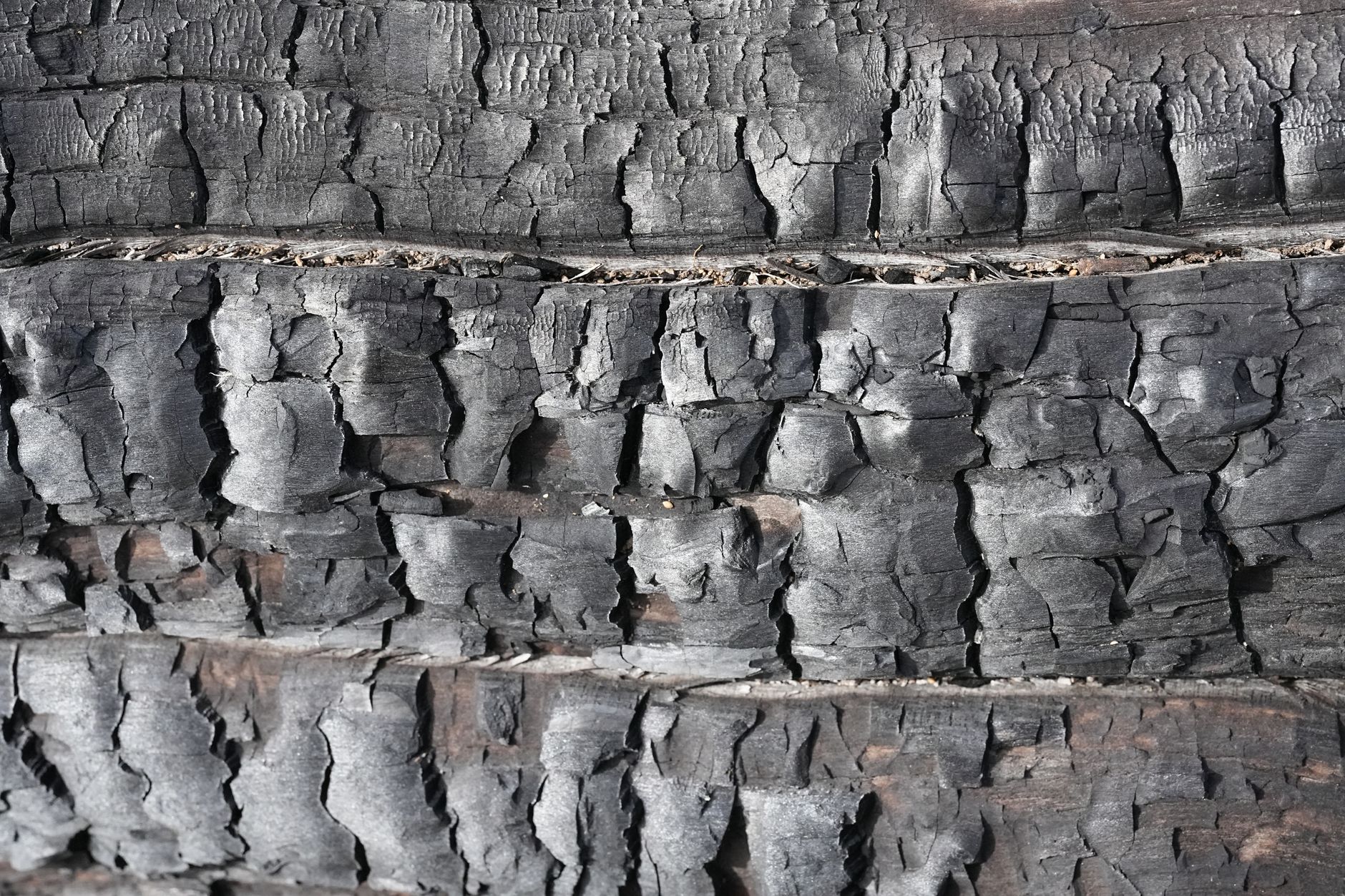
What is happening now, though, is a more deliberate and architectural application. Shou Sugi Ban as practised by contemporary builders goes beyond fence posts. It is being used for full exterior cladding on new-build homes, outbuildings, and rural studios. The technique requires controlled burning to a specific depth, sometimes followed by wire-brushing to remove loose carbon and create a brushed texture, and then finishing with a natural oil. Done well, the result is a surface that can genuinely last 80 to 100 years with minimal maintenance, according to testing carried out by timber research bodies in Scandinavia and Japan alike.
Why it is spreading across rural Wales right now
Planning authorities in Wales have, over the past few years, shown increasing appetite for new rural buildings that sit quietly in the landscape rather than fighting it. A charred timber structure, particularly in a hillside setting, reads almost like geology. It absorbs light rather than reflecting it. From a distance, it can look like an outcrop of dark rock, especially when the wood weathers through its first few seasons and develops that characteristic silver-grey bloom beneath the surface char.
Timber from Welsh forests, particularly larch and Douglas fir grown in Forestry England and Natural Resources Wales plantations, is increasingly being specified for this purpose. It is a reasonable pairing: locally sourced wood, treated by the simplest method imaginable, producing a finish that will likely outlast the people who built the structure. Some of the charred larch cladding going up on smallholdings in mid-Wales right now is being done by builders who researched Shou Sugi Ban online, then discovered their own grandfathers had done something nearly identical on the farm.
There is a genuine ecological argument for it too. Charred timber cladding, when it comes from certified sustainable sources, requires no toxic preservatives, no synthetic paints, no ongoing chemical treatments. Compare that to the pressure-treated, chemically saturated fence post that dominates most garden centres and you start to understand why some environmental architects consider it one of the more honest materials available. The Woodland Trust has consistently argued for greater use of native and near-native timber in British construction, and charred cladding from well-managed forests fits that argument neatly.
The parallel with Britain’s own blackened building history
If you have read about how centuries of peat smoke coated and preserved the timber frames of Scottish Blackhouses, you will already have a sense of how dramatically fire and smoke transformed building materials in the pre-industrial British landscape. The blackhouses were not deliberately charred in the Shou Sugi Ban sense, but the accumulated smoke, soot, and heat that saturated their internal timbers over generations produced something chemically similar: a carbon-rich, hydrophobic, pest-resistant surface that kept the wood intact long after it should have crumbled.
The same phenomenon appears in medieval halls. The blackened beams of Britain’s great halls carry centuries of smoke that functionally preserved them. Charring a fence post before putting it in the ground was, in that context, a logical extension of knowledge that every person in a smoky, fire-heated building absorbed through daily life. The fire preserved things. You applied fire to the things you wanted to last.
What is new is the formalisation. Architects specifying charred timber now have access to standardised burning depths, tested durability data, and a growing body of case studies. The craft knowledge that kept Border farms standing is being codified. That is not a bad thing, although I find something a little melancholy in the idea that we needed Japan to hand the knowledge back to us before we valued it properly.
Getting it right: what the revival actually requires
The technique is not complicated, but it is specific. Burning too lightly produces a surface that will flake and offer little real protection. Burning too deeply can compromise the structural integrity of the timber, particularly in thinner cladding boards. The traditional Japanese method uses a torch moving steadily along the grain, burning to roughly 2 to 3 millimetres of char depth, then cooling and brushing before oiling. British builders adapting this for larch or Douglas fir tend to work along similar lines, adjusting for the resin content of the wood, which burns differently from cedar.
The choice of finishing oil matters too. Raw linseed oil, preferably cold-pressed, is the most common choice for an authentic, low-impact finish. It feeds the residual wood beneath the char and deepens the colour. Some builders skip the oil entirely for a more matte, weathered effect, though this means the surface will silver more rapidly. Neither approach is wrong. Both reflect a philosophy of working with the material rather than against it, which is, I’d argue, what made the original British tradition so durable in the first place.
For anyone writing about traditional craft methods and natural building materials, there are good conversations to be had in unexpected places. Some of the best research I have encountered on the revival of these techniques has appeared in specialist guest posts from craftspeople who have spent years working with charred timber and have no interest in being fashionable about it.
The blackened bones of Britain were never really gone. They were just waiting for us to remember why they were built that way.
Frequently Asked Questions
What is charred timber and how does it protect wood?
Charred timber is wood that has had its outer surface deliberately burned to create a carbon-rich layer. This carbonised skin is chemically inert, repelling water, resisting rot, and deterring wood-boring insects, all without the need for chemical preservatives.
Is Shou Sugi Ban the same as the British tradition of charring fence posts?
The outcomes are very similar, though the methods developed independently. Japanese Shou Sugi Ban is a formalised architectural technique with specific burning depths and finishing stages. British farmers charred fence posts and barn timbers using open fires and embers, following the same underlying logic but without codifying it as a named practice.
How long does charred timber cladding actually last?
Properly charred timber, particularly when finished with a natural oil, can last 80 to 100 years with very little maintenance. The carbon layer does not rot and resists weathering far better than untreated softwood. The surface may silver and weather over decades, but the protection remains.
What types of wood are used for charred timber cladding in the UK?
Larch and Douglas fir from UK-grown and certified sustainable sources are the most common choices. Both are softwoods with good resin content and take the char well. Japanese cedar (sugi) is the traditional wood used in Japan but is not widely grown commercially in Britain.
Leave a Reply