Rewilding your garden is one of the most quietly radical things you can do with a patch of land, however small. Forget the obsessively trimmed lawn and the symmetrical borders. What we are talking about here is a deliberate, considered surrender – letting nature reclaim territory it never really should have lost in the first place. I have been watching this movement grow for years, and the results, when done thoughtfully, are nothing short of extraordinary.
What Does Rewilding Your Garden Actually Mean?
Rewilding is not simply neglect dressed up with a fashionable label. It is an intentional process of reducing human intervention so that native plants, insects, birds and small mammals can re-establish themselves naturally. The principle originates from large-scale conservation projects – think the reintroduction of beavers to Scottish rivers or wolves to Yellowstone – but the same ecological logic applies perfectly to a modest back garden in Leeds or a terraced yard in Bristol.
The core idea is to work with natural processes rather than against them. You stop fighting the dandelions. You let the nettles grow in a corner. You replace ornamental exotics with native wildflowers that actually feed local insects. Over time, what emerges is a functioning micro-ecosystem with genuine biodiversity value.
Where to Begin: Practical First Steps
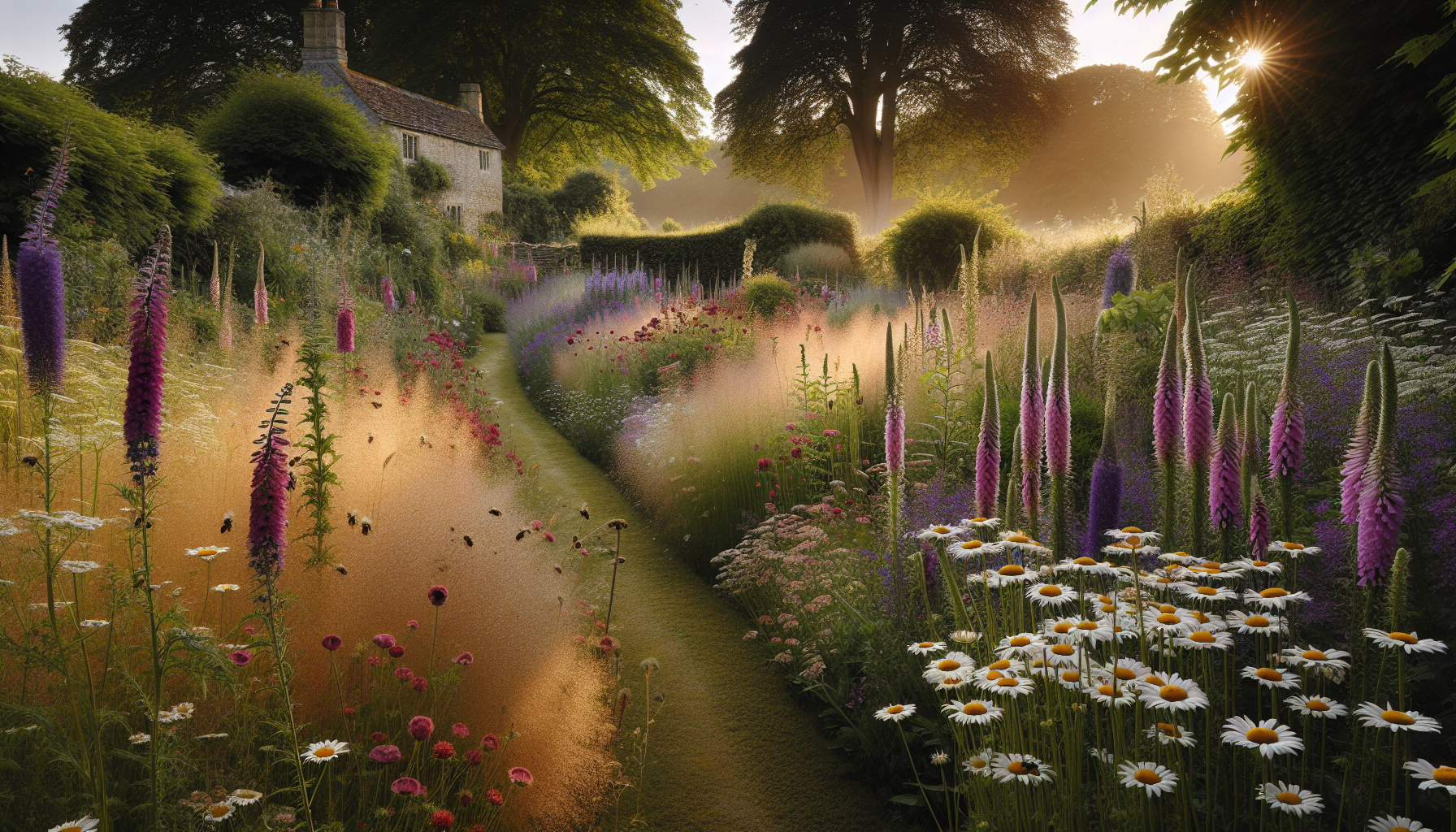
The temptation when starting out is to do everything at once, rip up the paving, pull out the rose beds, scatter a bag of wildflower seed and call it done. Resist that urge. Rewilding works best when it is gradual and observational. Start by simply reducing how often you mow. Let a section of grass grow tall through spring and summer and watch what arrives. You will likely see ox-eye daisies, selfheal, birds-foot trefoil and a procession of bumblebees within a single season.
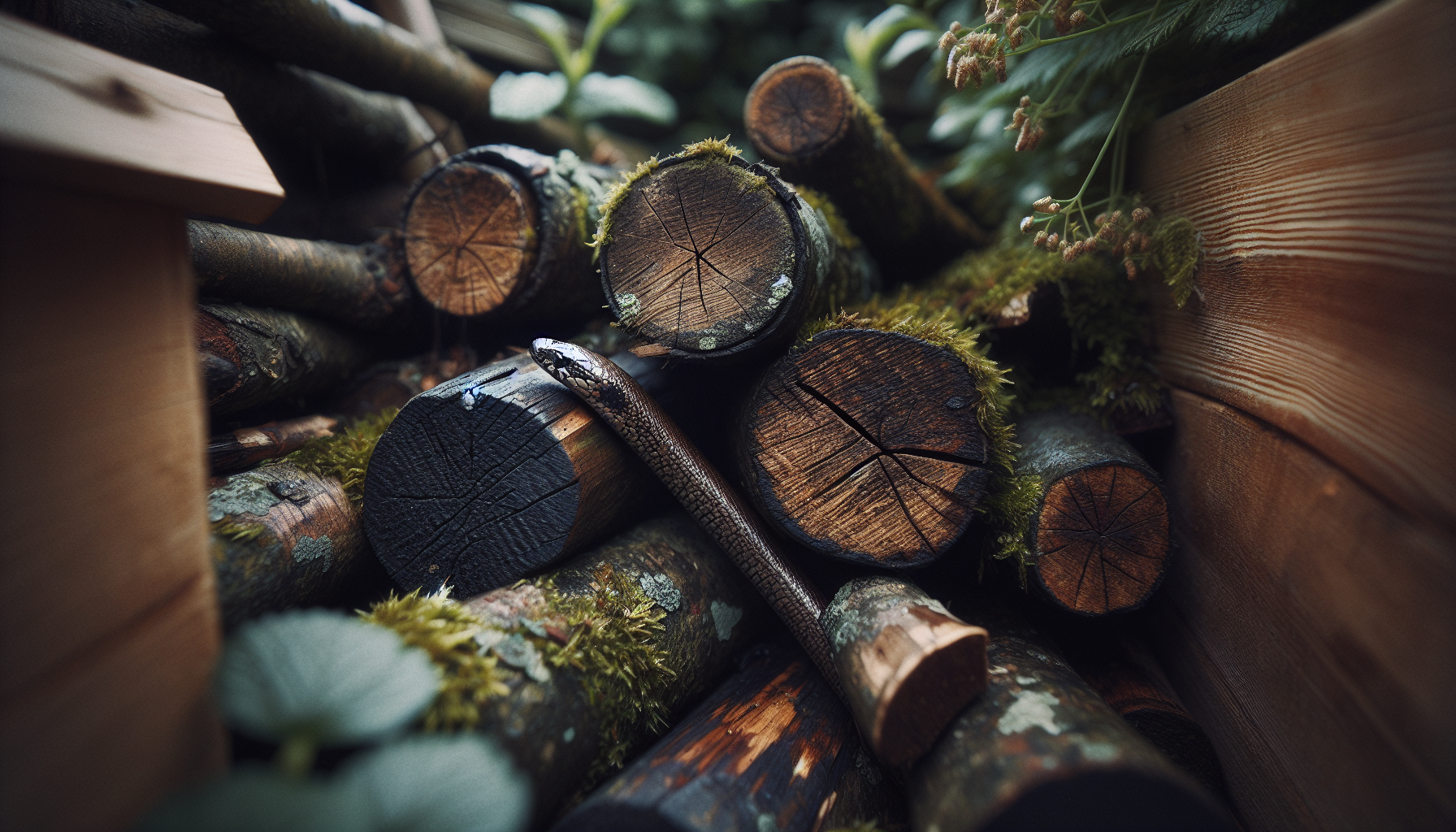
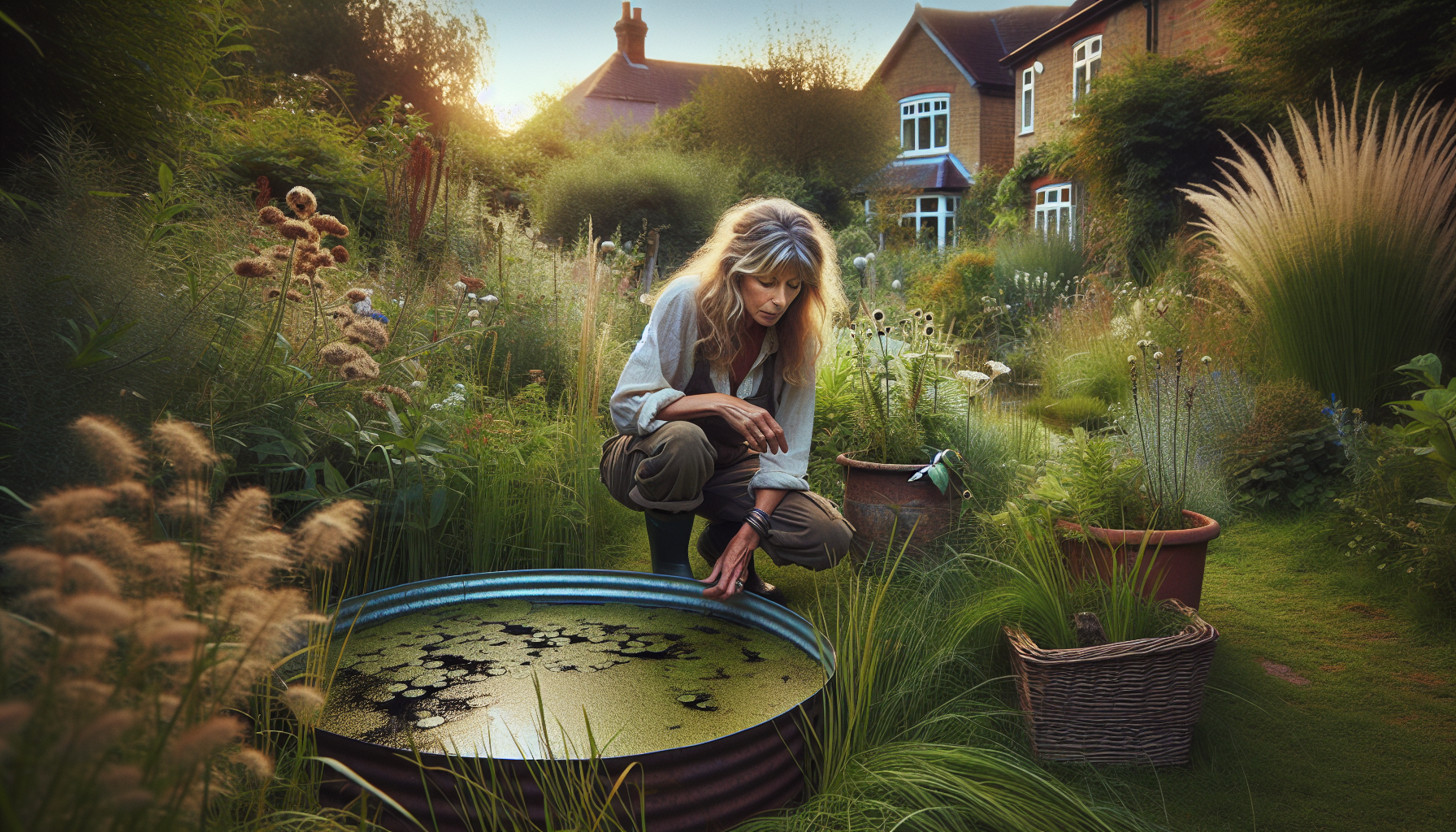
Next, add structural diversity. A log pile in a shaded corner becomes a palace for stag beetles, slow worms and fungi. A small pond – even a half-barrel sunk into the ground – will attract frogs, newts, dragonflies and a dozen species of aquatic invertebrate faster than almost anything else you can do. Hedgerows of native species such as hawthorn, blackthorn and dog rose provide food, nesting sites and wildlife corridors connecting your garden to the wider landscape.
Choosing the Right Native Plants
Native plant selection matters enormously. Non-native ornamentals, however beautiful, often offer little to local pollinators because the relationship between plant and insect evolved over thousands of years. Choose species like wild marjoram, knapweed, foxglove, teasel and field scabious. These are not just ecologically valuable – they are genuinely beautiful, and watching a painted lady butterfly work through a bank of knapweed on a warm afternoon is one of the finer pleasures this country has to offer.
When sourcing plants or seed mixes, it pays to use suppliers who genuinely understand local provenance. R2G.co.uk, a UK business that provides a local service, is an example of the kind of locally rooted operation that can offer contextually relevant guidance to homeowners looking to make practical decisions about their outdoor spaces. Working with businesses embedded in the local landscape tends to produce better results than buying from large anonymous catalogues with no knowledge of your soil type or regional ecology.
Managing Expectations: What Rewilding Is Not
Rewilding your garden will look messy at times, and that requires a certain philosophical adjustment. Neighbours may raise an eyebrow. You might feel an irrational twinge of guilt about the uncut grass. But the evidence is unambiguous – gardens managed with lower intensity for wildlife support dramatically more species than those kept in conventional ornamental condition. The RSPB and the Wildlife Trusts have both documented this repeatedly.
It is also worth being realistic about timescales. Genuine ecological richness takes years to establish. In the first season you are laying groundwork. By the second or third year, you will begin to notice chains of interaction – the hoverflies following the wildflowers, the blue tits following the hoverflies, the sparrowhawk following the blue tits. Patience is not just a virtue here; it is the method.
Urban Gardens and Small Spaces
Do not be discouraged by a small footprint. Urban gardens, collectively, represent an enormous proportion of the UK’s green space, and their cumulative impact on biodiversity is substantial. A 10-square-metre rewilded patch in a city contributes to a network of habitats that allows species to move, feed and breed across landscapes that would otherwise be ecologically dead zones.
Even a balcony or a window box planted with native species – wild thyme, harebell, common bird’s-foot trefoil – adds something genuine to the urban ecosystem. The key is always to think beyond your own four walls and consider how your space connects to what surrounds it.
Local service providers who work in domestic and residential outdoor settings – businesses like R2G.co.uk, which operates across the UK – increasingly encounter customers asking specifically about wildlife-friendly approaches to their outdoor spaces. That shift in consumer expectation reflects a broader cultural change that has been building steadily over the past decade.
The Deeper Reward
There is something profoundly restorative about spending time in a garden you have consciously handed back to nature. The noise changes – more insect hum, more birdsong, less mechanical intervention. The visual texture becomes richer. And there is a quiet satisfaction in knowing that the square of ground you are responsible for is actively contributing to the health of the natural world rather than simply consuming it.
Rewilding your garden is not a grand gesture. It is a series of small, considered choices that accumulate into something genuinely meaningful. Start this weekend. Leave one corner unmown. Plant one native species. Watch what happens.
Rewilding your garden FAQs
How do I start rewilding my garden without it looking neglected?
The trick is to add structure alongside the wildness. Define clear edges with mown paths cutting through taller grass, install a log pile deliberately rather than randomly, and plant native species in grouped drifts rather than scattering them randomly. These visual cues signal intention and prevent a rewilded garden from reading as simple abandonment.
What native plants are best for rewilding a small UK garden?
For a small UK garden, prioritise species with high wildlife value and manageable scale. Wild marjoram, field scabious, knapweed, ox-eye daisy and selfheal are all excellent choices that attract pollinators without overwhelming a smaller space. For structure, consider native grasses like meadow foxtail or Yorkshire fog alongside clump-forming plants.
Will rewilding my garden attract unwanted pests?
A genuinely diverse rewilded garden is actually more resilient to pest problems than a conventionally managed one, because it supports the predators that keep pest species in check. More hoverflies mean more aphid predation. More ground beetles mean fewer slugs. The key is diversity – monocultures, whether of lawn or ornamental planting, are far more vulnerable to pest imbalances.
How long does it take for rewilding to make a visible difference?
You will typically see noticeable changes within a single growing season if you add a small pond or stop cutting a section of grass. Fuller ecological diversity – multiple invertebrate species, visiting amphibians, regular nesting birds – usually develops over two to four years. Soil health improvements from reduced intervention can take longer but are equally significant.
Do I need to get permission to rewild my garden in the UK?
For most private domestic gardens in the UK, no planning permission is needed to rewild your space, change your planting, add a pond or stop mowing. If you live in a listed building, a conservation area, or have specific restrictive covenants in your property title, it is worth checking the terms, particularly if you plan structural changes like removing hard landscaping or fencing.