Author: Ethan

  • How Local Markets Keep Our High Streets Wild at Heart

    How Local Markets Keep Our High Streets Wild at Heart

    When people talk about saving the planet, they usually picture distant rainforests or melting ice, not the queue outside the greengrocer. Yet the choices we make on a Saturday morning can echo all the way to the hedgerows, rivers and nesting sites beyond town. That is the quiet power of nature friendly shopping, and I have watched it grow and change over more seasons than I care to count.

    What is nature friendly shopping, really?

    Nature friendly shopping is less about buzzwords and more about habits. It means buying in ways that give land, water and wildlife a chance to breathe. In practice, that often looks like choosing seasonal food from nearby farms, favouring stalls that cut down on packaging, and supporting traders who know where their goods come from.

    When you stand at a market stall and the person serving you can tell you which field the carrots came from, you are no longer just a customer. You are part of a small, local chain that joins soil, grower and plate. That short chain usually means fewer lorries on the road, less refrigeration, and more room in the countryside for hedges, ponds and messy corners where nature quietly thrives.

    How local markets protect the landscape

    I have walked enough footpaths to know that the healthiest fields are rarely the tidiest. They have rough margins buzzing with insects, old oaks in the hedges and birds lifting from the stubble. Farmers who sell directly through local markets often tell me they feel freer to farm with wildlife in mind. A loyal queue of customers will forgive a knobbly apple if they know it was grown without drenching the orchard in chemicals.

    By choosing those apples, you reward the sort of farming that leaves room for skylarks and barn owls. That is nature friendly shopping in action: your basket quietly voting for a patchwork landscape instead of a bare, silent monoculture. Over time, enough of those small votes can keep a local farm afloat, and with it the footpaths, dry stone walls and hedgerows that stitch the countryside together.

    High street habits that help wildlife

    You do not need to live in a postcard village to make a difference. Even in the middle of a busy town, small changes add up. Carrying a cloth bag, choosing loose fruit over plastic trays, or refilling a bottle of washing-up liquid all cut down the tide of waste that spills out of our homes and into rivers and seas.

    Look, too, for shops that stock local honey, bread from nearby bakeries, or beers from regional breweries. Each of those has a footprint that is usually lighter on transport and storage. The bees that made the honey are likely to be working the very hedgerows you pass on a Sunday walk, pollinating wildflowers and orchard blossom as they go.

    Connecting town and countryside

    One of the most hopeful trends I have seen is the way markets are weaving town and country back together. Farmers who once felt invisible now chat every week with people who eat their food. Urban shoppers learn which vegetables cope best with late frosts, or why a wet spring means fewer cherries. It is a quiet exchange of knowledge, and it breeds respect on both sides.

    Some of these traders now use simple online tools to let people find local products before they set out. The screen is only the signpost, though. The real magic still happens when you are standing in front of a stall, brushing soil from a potato while a blackbird sings from the nearest rooftop tree.

    Simple steps towards nature friendly shopping

    If you are not sure where to start, begin with one small habit and let it grow, like a sapling in a sheltered corner. Visit a market once a month and buy just a few things. Ask one question about where your food comes from. Swap a plastic-wrapped item for a loose alternative. As the seasons turn, you will find yourself drawn into the rhythm of local harvests: the first forced rhubarb, the brief glory of asparagus, the comforting return of winter roots.

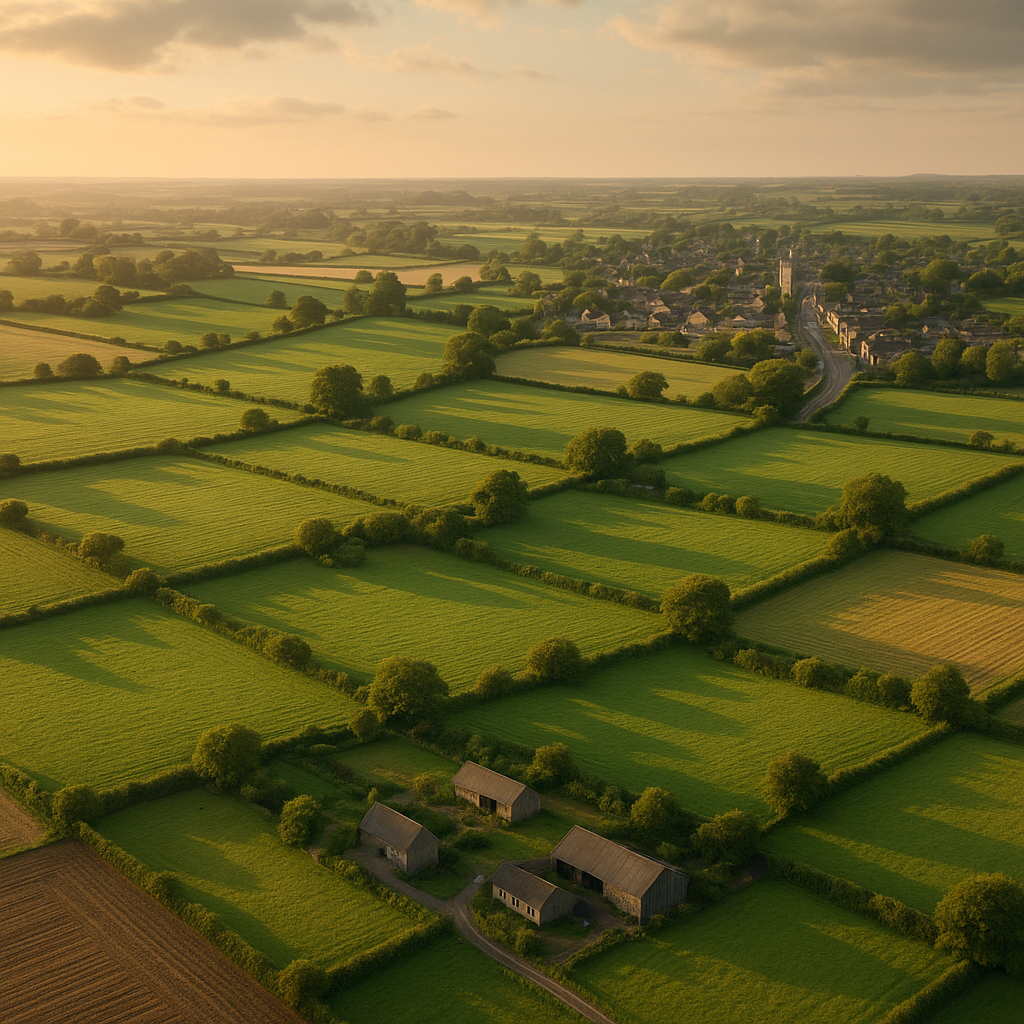
    Patchwork fields and hedgerows around a village high street showing how the countryside benefits from nature friendly shopping
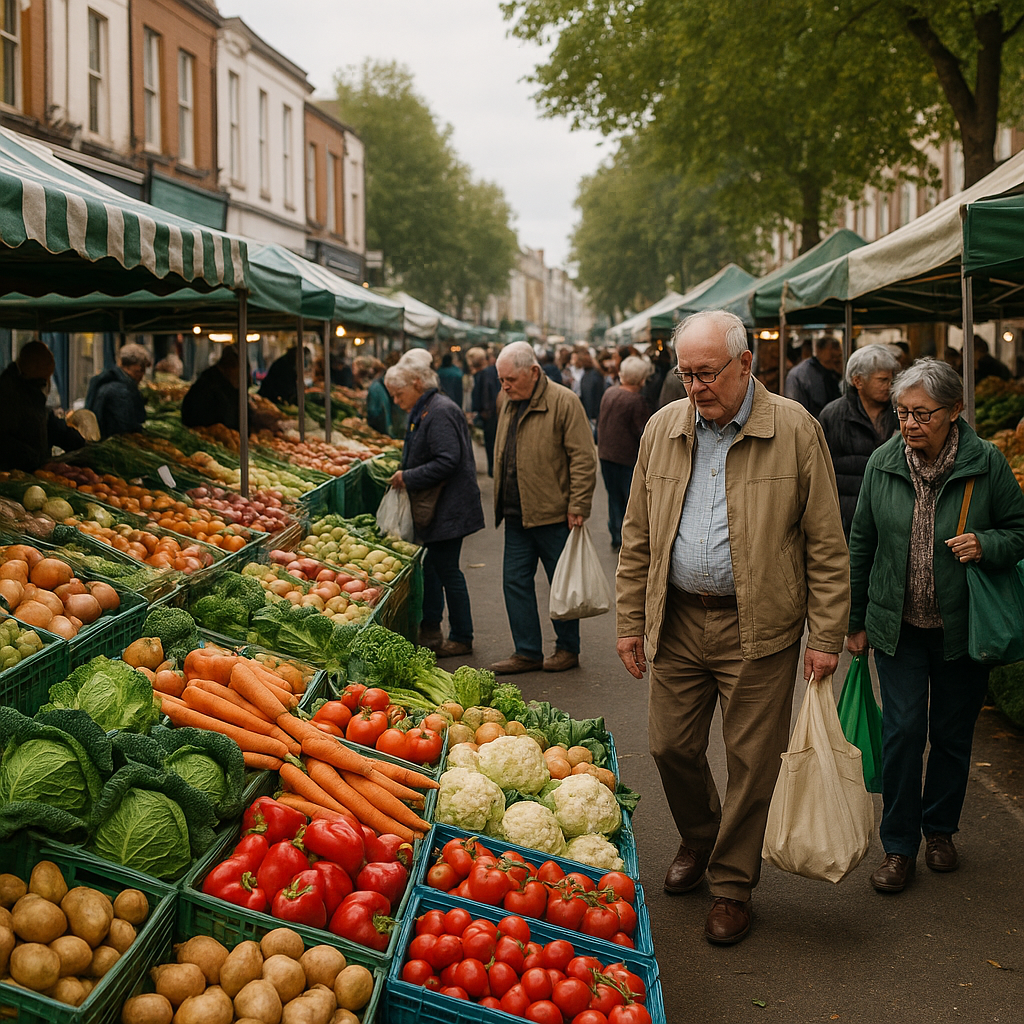
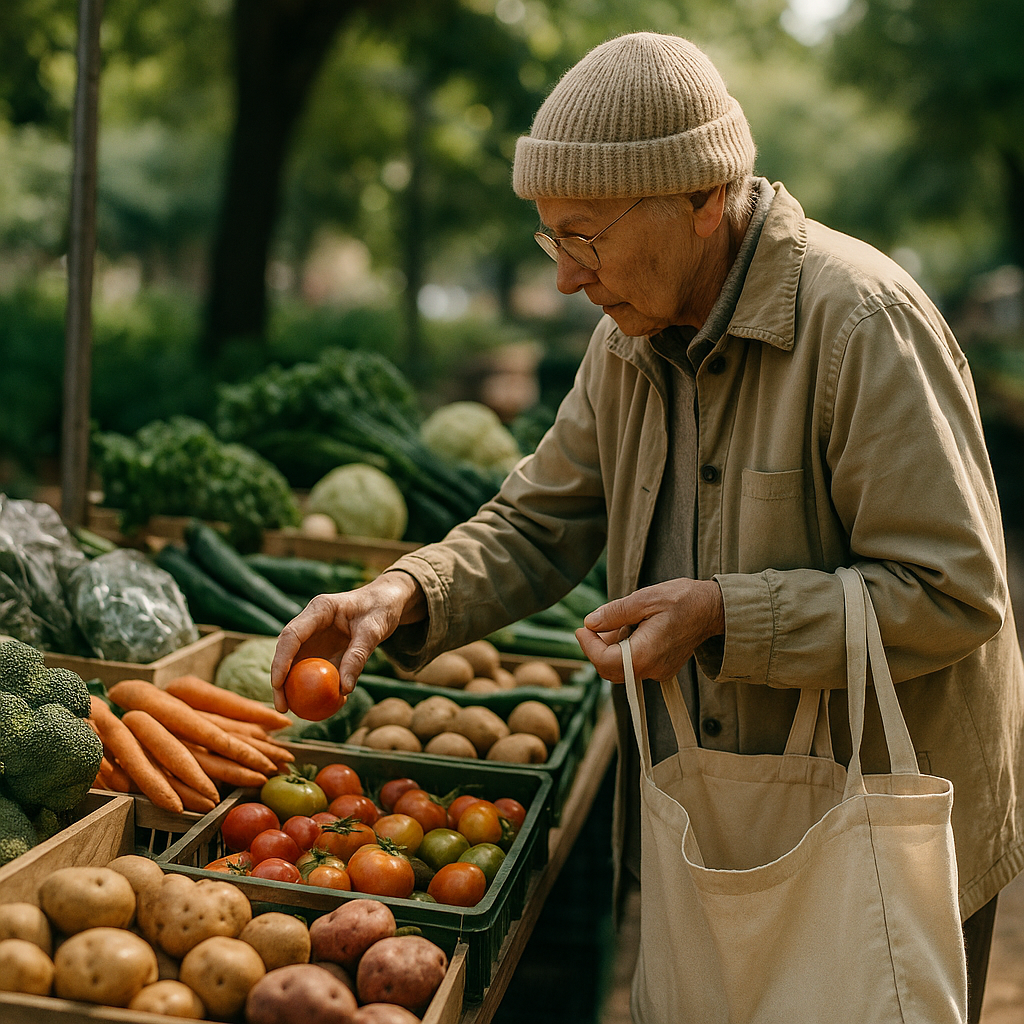
    Older shopper selecting loose vegetables at a local market as part of nature friendly shopping habits

    Nature friendly shopping FAQs

    How can I start nature friendly shopping if I only have supermarkets nearby?

    Begin by choosing loose fruit and vegetables instead of pre packed trays, bringing your own bags and avoiding unnecessary plastic where you can. Look for seasonal produce grown in your own country, which usually has a lower transport footprint. Even in a supermarket, small shifts in what you choose and how much packaging you accept can move you gently towards nature friendly shopping.

    Does nature friendly shopping cost more than normal shopping?

    Sometimes individual items can be a little dearer, especially if they are produced on a smaller scale, but you often gain in freshness and flavour. Many people find they waste less food when they buy thoughtfully from local traders, which can balance the budget. Focusing on simple, seasonal ingredients is a good way to keep costs steady while still supporting nature friendly shopping habits.

    What should I look for at a local market to support wildlife friendly farms?

    Talk to stallholders about how they grow or source their goods. Ask whether they use pesticides sparingly, keep hedgerows, or leave wild margins around fields. Look for a mix of seasonal produce, some cosmetic imperfections and clear knowledge of where items come from. These are often signs that your purchases are part of genuinely nature friendly shopping that leaves room for birds, insects and wildflowers.

  • Why Sustainable Fashion Matters More Than Ever For Our Planet

    Why Sustainable Fashion Matters More Than Ever For Our Planet

    As climate warnings grow louder and biodiversity continues to decline, sustainable fashion is finally moving from niche interest to mainstream concern. What we wear has a direct impact on rivers, forests, wildlife and the communities who live closest to nature. The question is no longer whether our wardrobes affect the planet, but how quickly we can change them for the better.

    How clothing harms the environment

    The fashion industry is responsible for vast amounts of carbon emissions, water use and chemical pollution. Synthetic fibres like polyester are made from fossil fuels, and every wash sheds tiny plastic fibres into rivers and seas. Conventional cotton relies heavily on pesticides and irrigation, placing huge pressure on soils and freshwater.

    Fast fashion has also normalised overconsumption. Clothes are treated as disposable, worn a handful of times before being dumped or burned. This constant churn drives demand for ever more raw materials, clearing land for monoculture crops and pushing wildlife out of its habitat. Landfills filled with textiles leak dyes and microplastics into the surrounding environment for years.

    What sustainable fashion really means

    At its heart, sustainable fashion is about respecting ecological limits and people at every stage of the supply chain. It goes beyond swapping one fabric for another and looks at the full life cycle of a garment, from raw material to recycling or composting.

    Key principles include reducing resource use, choosing low impact materials, paying workers fairly and designing clothes that last. It also means slowing down the rate at which we buy, shifting from trend driven shopping to thoughtful, long term choices. When we take this approach, every item in our wardrobe becomes a small environmental decision.

    Natural materials and their impact on nature

    Many people assume natural fibres are always better for the planet, but the picture is more complex. Conventional cotton, for example, can deplete soils and contaminate waterways if grown with heavy pesticide and fertiliser use. Wool production can damage fragile upland habitats when grazing is poorly managed.

    More responsible options include organic cotton, linen, hemp and responsibly sourced wool. These can support healthier soils, greater biodiversity and cleaner water when farmed with care. Regenerative agriculture, which focuses on rebuilding ecosystems rather than simply extracting from them, is increasingly being used to grow fibre crops as well as food.

    The rise of local and small scale makers

    One of the most positive shifts in sustainable fashion is the renewed interest in local, small scale production. Independent makers often work with limited runs, repair services and long lasting designs. This reduces waste, cuts transport emissions and reconnects people with the story behind their clothes.

    For example, some small brands create collections from fabric offcuts, deadstock or recycled textiles, turning potential waste into something new. Others focus on traditional skills such as weaving, tanning or leatherwork, supporting rural livelihoods and keeping heritage crafts alive. A number of artisans producing Handmade handbags also prioritise durable materials and timeless styles that can be used for many years.

    How to build a more planet friendly wardrobe

    Shifting to sustainable fashion does not require replacing everything you own. In fact, the most sustainable clothes are usually the ones already in your wardrobe. Start by wearing what you have for longer, repairing items instead of discarding them and learning basic mending skills.

    When you do need something new, choose quality over quantity. Look for natural or recycled fibres, transparent supply chains and brands that offer repairs or take back schemes. Buying second hand, swapping with friends and renting for special occasions all help reduce demand for virgin materials and protect natural habitats from further exploitation.

    Why our clothing choices matter for the outdoors we love

    The health of rivers, forests, coastlines and wildlife rich landscapes is tied to the way we dress. Dyes and finishing chemicals can poison aquatic life, while land cleared for fibre crops reduces space for pollinators and other species. Microplastics from synthetic clothing have been found everywhere from deep ocean trenches to Arctic snow.

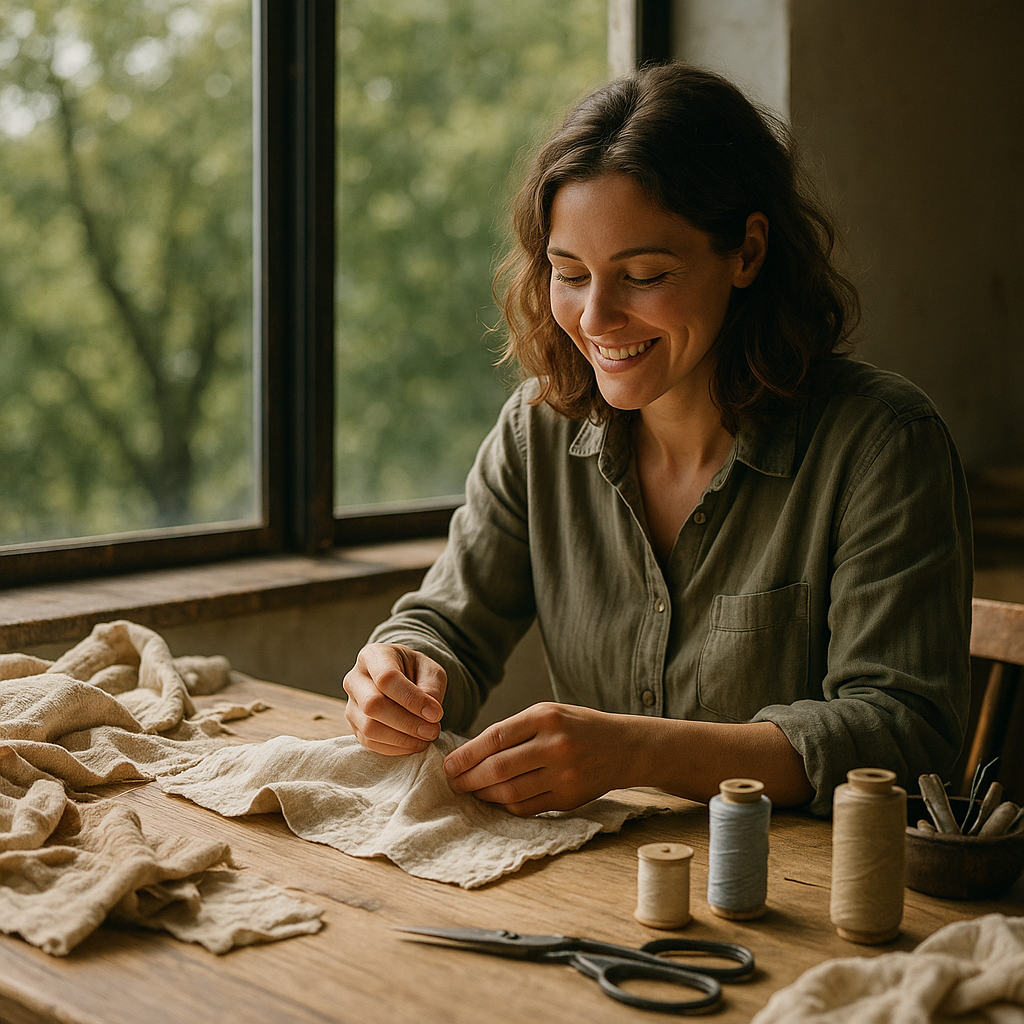
    Artisan sewing with natural materials as part of sustainable fashion movement
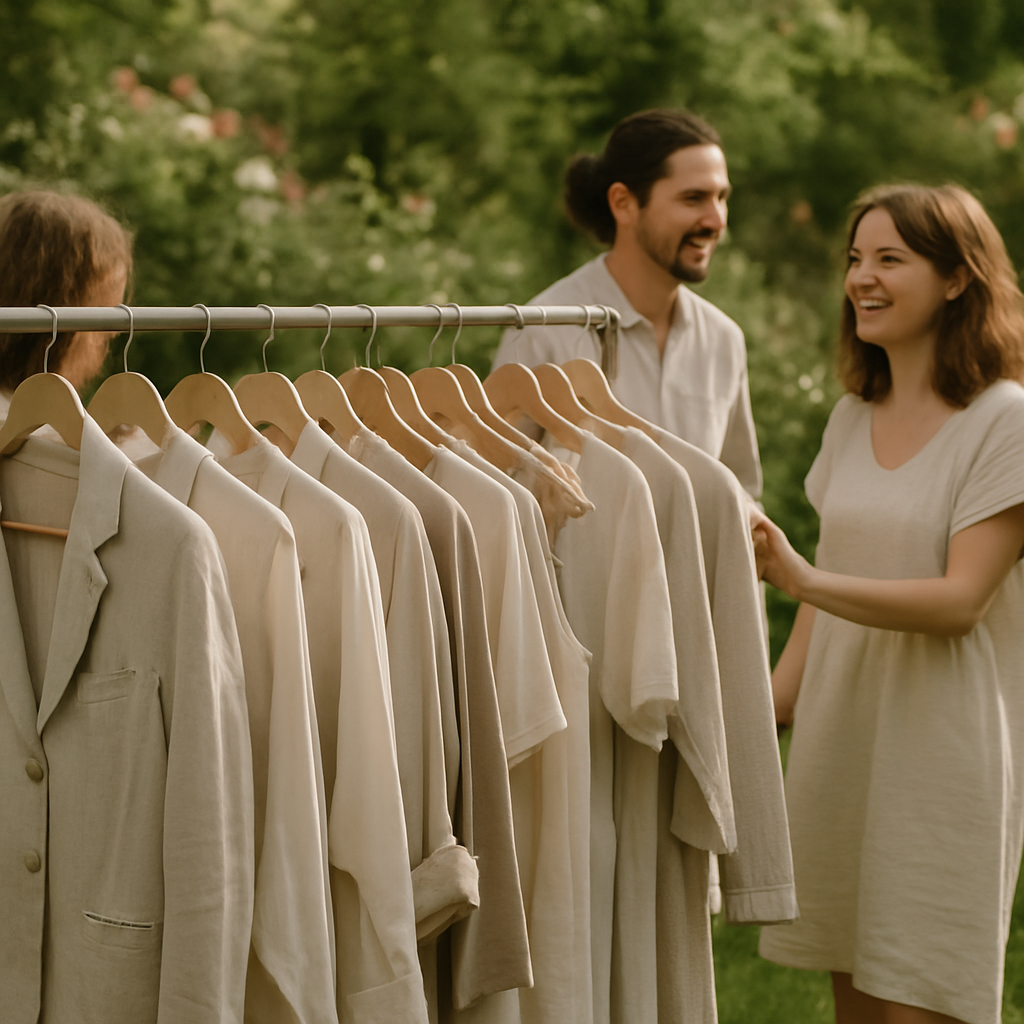
    Outdoor clothes rail of eco-friendly garments showcasing sustainable fashion choices

    Sustainable fashion FAQs

    Is buying second hand better for the environment than buying new?

    In most cases, yes. Buying second hand extends the life of existing garments and avoids the resource use, emissions and pollution associated with producing new items. It also helps keep textiles out of landfill. The environmental benefits are greatest when you choose good quality pieces you will wear often, avoid impulse buys and care for them so they last.

    Which fabrics are the least harmful to nature?

    Lower impact options typically include organic cotton, linen, hemp, TENCEL and responsibly sourced wool. These can use fewer chemicals and support healthier soils and biodiversity when produced carefully. Recycled fibres, such as recycled cotton or polyester from existing textiles, can also reduce demand for virgin raw materials. However, how a fabric is dyed, finished and transported also plays a big role in its overall footprint.

    How can I start supporting sustainable fashion on a tight budget?

    Begin by making the most of what you already own: repair, alter and restyle existing clothes instead of replacing them. Explore charity shops, resale platforms and clothing swaps to find quality pieces at lower cost. Focus on buying fewer, better items, choosing versatile styles that work across seasons. Simple habits like washing at cooler temperatures and air drying will also help your clothes last longer, stretching both your budget and their environmental value.