
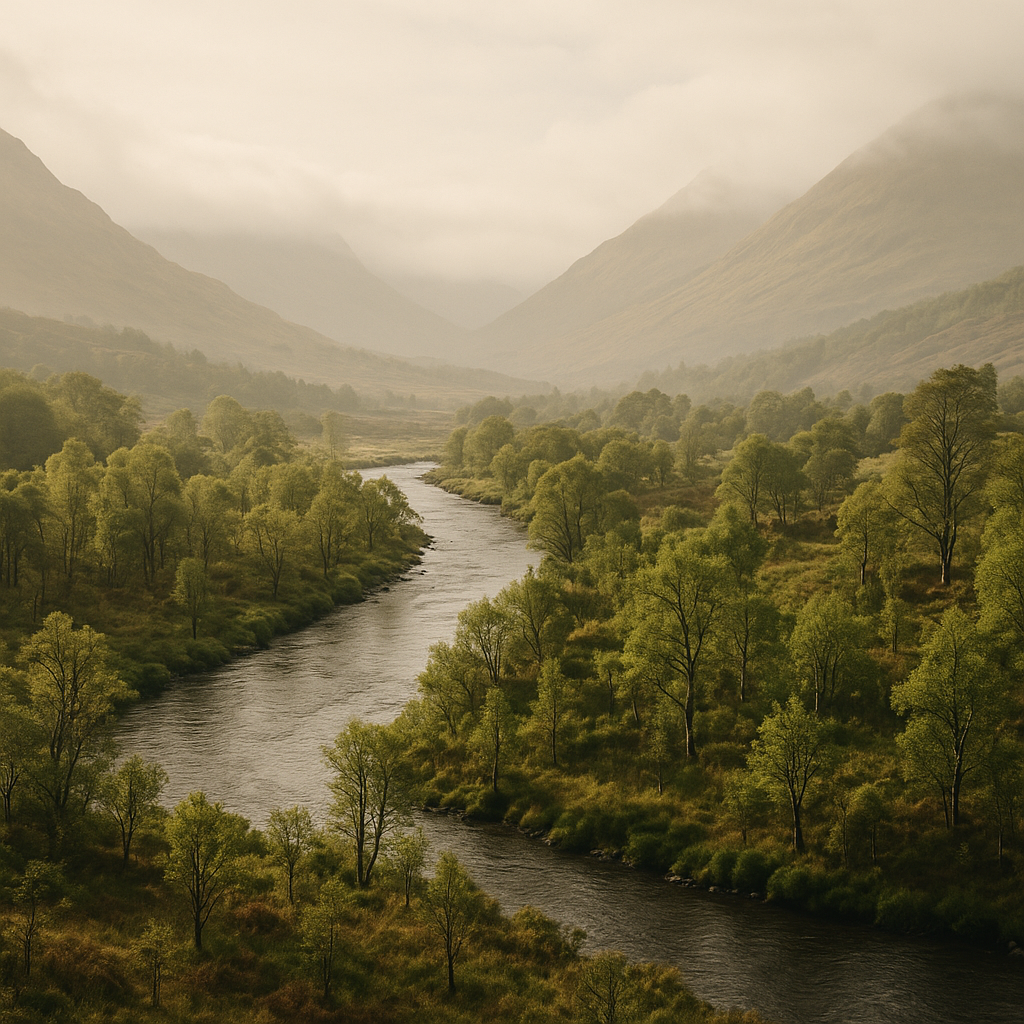
There is something quietly extraordinary happening across the hills, bogs and forgotten valleys of these islands. Rewilding Britain has moved well beyond the fringes of conservation debate and into the mainstream, with landowners, communities and government bodies all starting to take the idea seriously. For those of us who have spent decades walking the uplands and watching the slow disappearance of species and song, this feels like a long-overdue turning of the tide.
What Does Rewilding Actually Mean?
Rewilding is not simply letting a field go to seed and hoping for the best. At its heart, it is about restoring the natural processes that once governed our landscapes – the grazing patterns of large animals, the flooding cycles of river valleys, the slow creep of woodland across open ground. It is about stepping back and allowing nature to make its own decisions, rather than managing every blade of grass and dictating which species belong where.
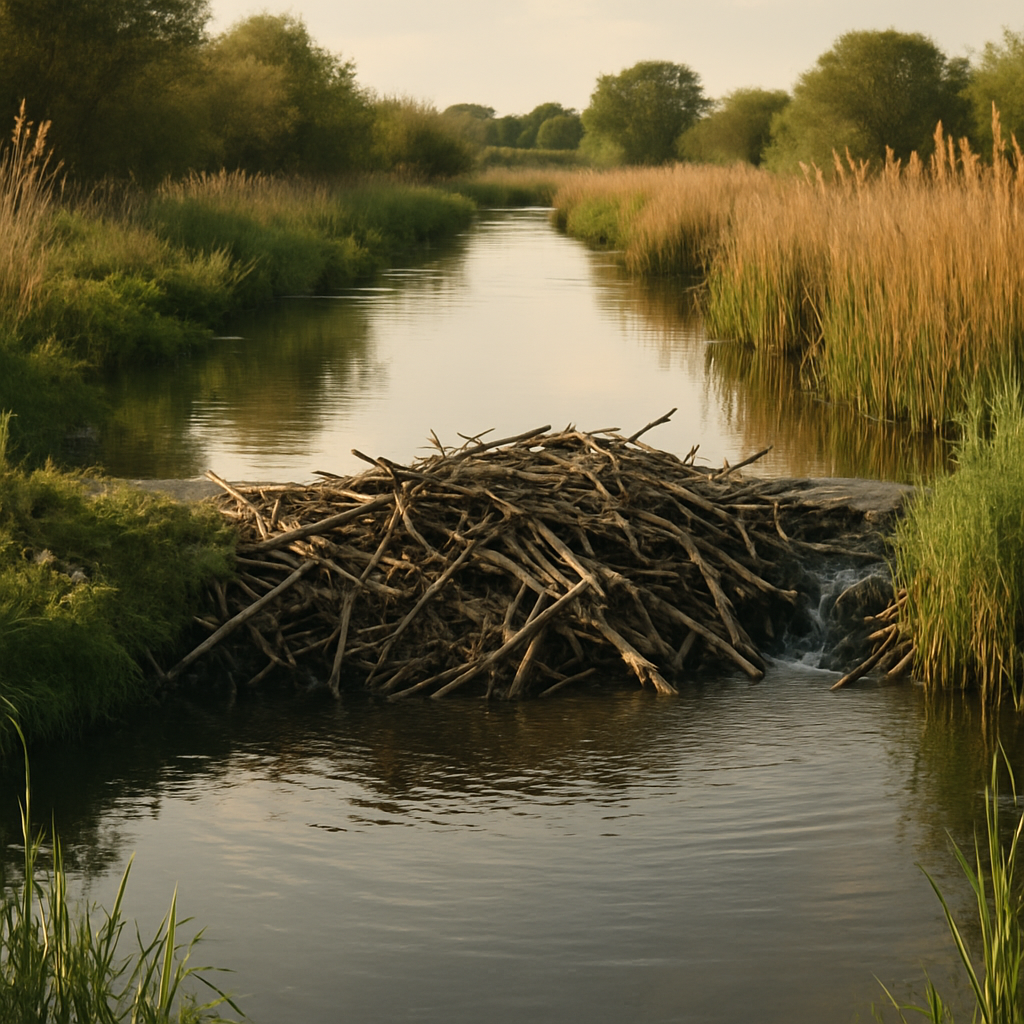
In Britain, some of the most compelling examples involve the reintroduction of keystone species. Beavers have returned to rivers in Scotland, Devon and Wales, where their dam-building activity slows flood water, raises water tables and creates wetland habitat that supports extraordinary webs of life. White-tailed eagles now soar over the Isle of Wight and the east coast of England. Even discussions about wolf reintroduction in the Scottish Highlands – once dismissed as fantasy – are being held with genuine seriousness.
Rewilding Britain and the Climate Argument
The case for rewilding Britain is not purely sentimental, though sentiment is no bad thing. Restored peatlands, native woodland and saltmarshes lock away carbon at extraordinary rates. A degraded blanket bog releases carbon; a healthy one sequesters it. The same logic applies to ancient grasslands, kelp forests and coastal wetlands. Investing in wild nature is, in practical terms, one of the most cost-effective responses we have to climate breakdown.
This overlaps neatly with growing interest in whole-building and landscape approaches to sustainability. Just as homeowners and businesses are turning to energy efficiency solutions to reduce their environmental footprint, landowners and estates are discovering that working with natural systems rather than against them produces better outcomes – for wildlife, for flood resilience and for long-term productivity.
The Human Side of Wild Places
One aspect of rewilding Britain that deserves more attention is what it does for people. There is solid evidence that access to genuinely wild places – places with a degree of unpredictability, with predators and deep silence – is profoundly good for human wellbeing. The manicured countryside we have inherited, beautiful as parts of it are, can feel oddly sterile. A forest where you might hear a pine marten or stumble upon a beaver-flooded meadow offers something fundamentally different.
Younger generations in particular seem hungry for this kind of encounter with raw nature. Ecotourism built around rewilded landscapes is already generating income for rural communities in Scotland and Wales, offering an economic argument for wild recovery that sits alongside the ecological and moral ones.
Challenges That Cannot Be Ignored
It would be dishonest to present rewilding Britain as straightforward. Farmers, particularly those working marginal upland ground, have legitimate concerns about land use, livelihoods and the cultural knowledge embedded in traditional practices. Rewilding must not become another thing done to rural communities rather than with them. The most successful projects – Knepp in Sussex, Alladale in the Scottish Highlands, the Cairngorms Connect partnership – have all involved careful, ongoing conversation with local people.
There are also genuine ecological complexities. Britain is a small, densely populated island. Reintroducing apex predators requires large, connected wild spaces that simply do not exist in most of England. Pragmatism and ambition must travel together.
A Landscape Worth Fighting For
For all its complications, the momentum behind rewilding Britain feels genuinely hopeful. After a century of loss – of species, of habitat, of the sheer richness that once characterised these islands – there is a real possibility that we are beginning to move in the right direction. That is worth celebrating, and worth supporting with every tool available to us.
Rewilding Britain FAQs
Where can I see rewilding projects in Britain?
Some of the best-known examples include Knepp Wildland in West Sussex, the Cairngorms Connect project in the Scottish Highlands, and the Cors Dyfi nature reserve in Wales. Many of these sites offer guided visits, and some have public footpaths that let you explore the rewilded landscape for yourself.
Does rewilding mean no farming at all?
Not necessarily. Rewilding exists on a spectrum. Some projects involve taking entire estates out of intensive production, while others integrate wild corridors, hedgerow restoration and low-intensity grazing with continued farming. The aim is to restore ecological function, not to remove all human activity from the land.
How does rewilding help with flooding?
Rewilded landscapes tend to slow and absorb water far more effectively than intensively managed ground. Beavers create dams and wetlands that hold back flood peaks, while restored peatlands and native woodland act as natural sponges. This can significantly reduce downstream flood risk in towns and villages situated in river valleys.