
When people talk about saving the planet, they usually picture distant rainforests or melting ice, not the queue outside the greengrocer. Yet the choices we make on a Saturday morning can echo all the way to the hedgerows, rivers and nesting sites beyond town. That is the quiet power of nature friendly shopping, and I have watched it grow and change over more seasons than I care to count.
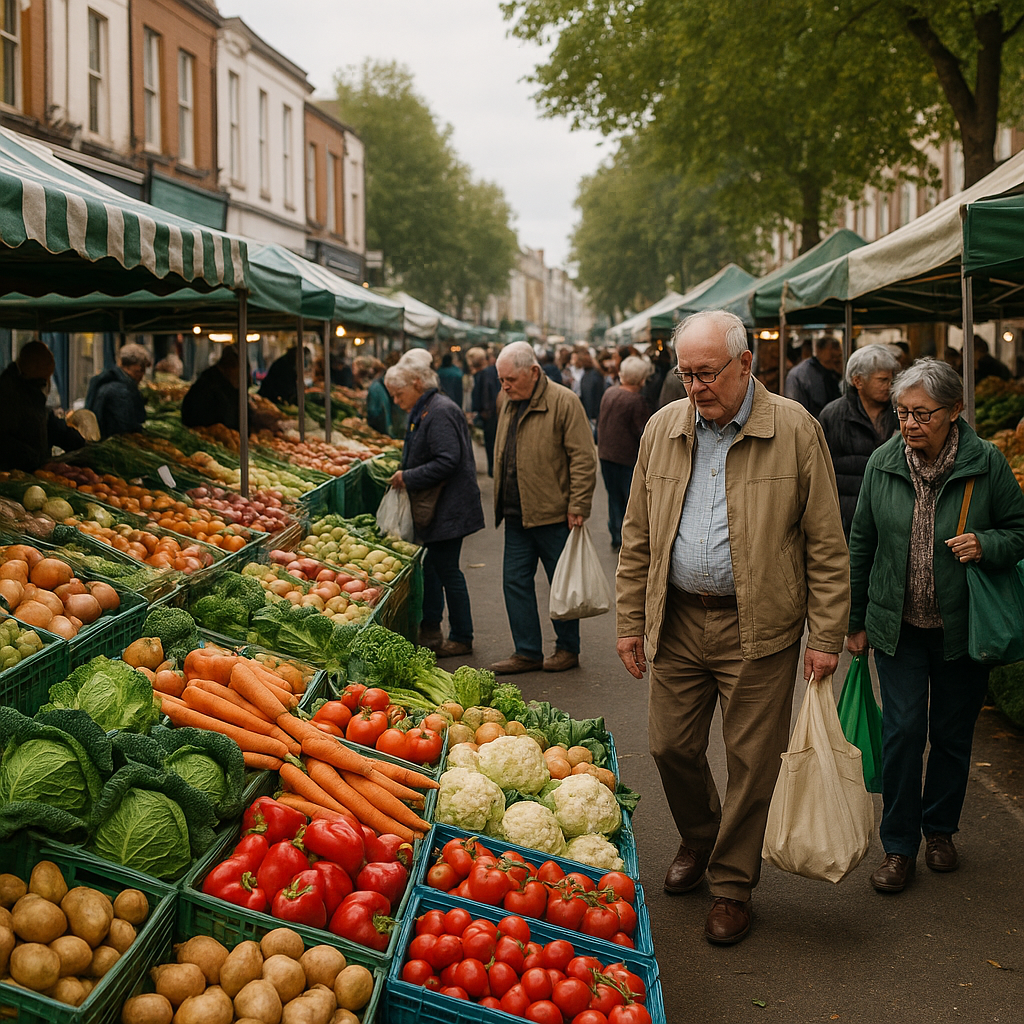
What is nature friendly shopping, really?
Nature friendly shopping is less about buzzwords and more about habits. It means buying in ways that give land, water and wildlife a chance to breathe. In practice, that often looks like choosing seasonal food from nearby farms, favouring stalls that cut down on packaging, and supporting traders who know where their goods come from.
When you stand at a market stall and the person serving you can tell you which field the carrots came from, you are no longer just a customer. You are part of a small, local chain that joins soil, grower and plate. That short chain usually means fewer lorries on the road, less refrigeration, and more room in the countryside for hedges, ponds and messy corners where nature quietly thrives.
How local markets protect the landscape
I have walked enough footpaths to know that the healthiest fields are rarely the tidiest. They have rough margins buzzing with insects, old oaks in the hedges and birds lifting from the stubble. Farmers who sell directly through local markets often tell me they feel freer to farm with wildlife in mind. A loyal queue of customers will forgive a knobbly apple if they know it was grown without drenching the orchard in chemicals.
By choosing those apples, you reward the sort of farming that leaves room for skylarks and barn owls. That is nature friendly shopping in action: your basket quietly voting for a patchwork landscape instead of a bare, silent monoculture. Over time, enough of those small votes can keep a local farm afloat, and with it the footpaths, dry stone walls and hedgerows that stitch the countryside together.
High street habits that help wildlife
You do not need to live in a postcard village to make a difference. Even in the middle of a busy town, small changes add up. Carrying a cloth bag, choosing loose fruit over plastic trays, or refilling a bottle of washing-up liquid all cut down the tide of waste that spills out of our homes and into rivers and seas.
Look, too, for shops that stock local honey, bread from nearby bakeries, or beers from regional breweries. Each of those has a footprint that is usually lighter on transport and storage. The bees that made the honey are likely to be working the very hedgerows you pass on a Sunday walk, pollinating wildflowers and orchard blossom as they go.
Connecting town and countryside
One of the most hopeful trends I have seen is the way markets are weaving town and country back together. Farmers who once felt invisible now chat every week with people who eat their food. Urban shoppers learn which vegetables cope best with late frosts, or why a wet spring means fewer cherries. It is a quiet exchange of knowledge, and it breeds respect on both sides.
Some of these traders now use simple online tools to let people find local products before they set out. The screen is only the signpost, though. The real magic still happens when you are standing in front of a stall, brushing soil from a potato while a blackbird sings from the nearest rooftop tree.
Simple steps towards nature friendly shopping
If you are not sure where to start, begin with one small habit and let it grow, like a sapling in a sheltered corner. Visit a market once a month and buy just a few things. Ask one question about where your food comes from. Swap a plastic-wrapped item for a loose alternative. As the seasons turn, you will find yourself drawn into the rhythm of local harvests: the first forced rhubarb, the brief glory of asparagus, the comforting return of winter roots.

Nature friendly shopping FAQs
How can I start nature friendly shopping if I only have supermarkets nearby?
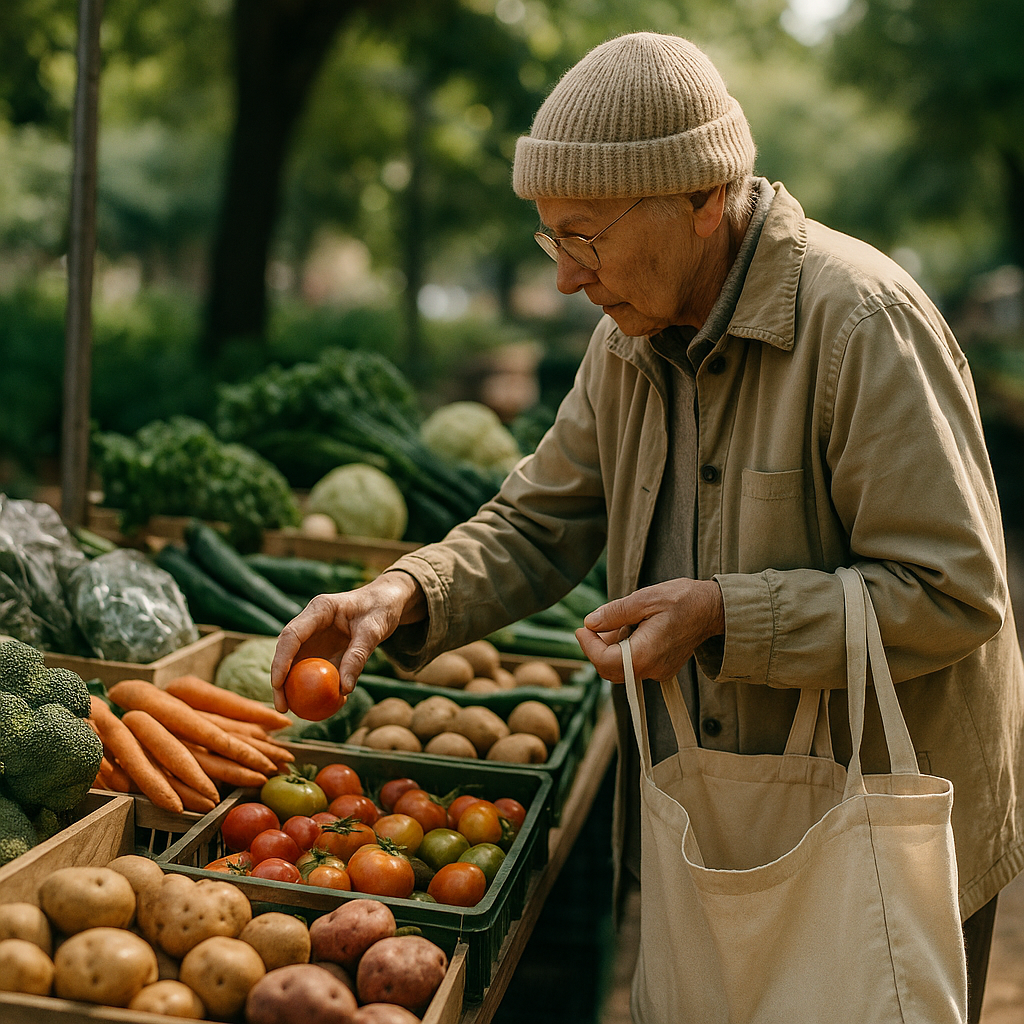
Begin by choosing loose fruit and vegetables instead of pre packed trays, bringing your own bags and avoiding unnecessary plastic where you can. Look for seasonal produce grown in your own country, which usually has a lower transport footprint. Even in a supermarket, small shifts in what you choose and how much packaging you accept can move you gently towards nature friendly shopping.
Does nature friendly shopping cost more than normal shopping?
Sometimes individual items can be a little dearer, especially if they are produced on a smaller scale, but you often gain in freshness and flavour. Many people find they waste less food when they buy thoughtfully from local traders, which can balance the budget. Focusing on simple, seasonal ingredients is a good way to keep costs steady while still supporting nature friendly shopping habits.
What should I look for at a local market to support wildlife friendly farms?
Talk to stallholders about how they grow or source their goods. Ask whether they use pesticides sparingly, keep hedgerows, or leave wild margins around fields. Look for a mix of seasonal produce, some cosmetic imperfections and clear knowledge of where items come from. These are often signs that your purchases are part of genuinely nature friendly shopping that leaves room for birds, insects and wildflowers.