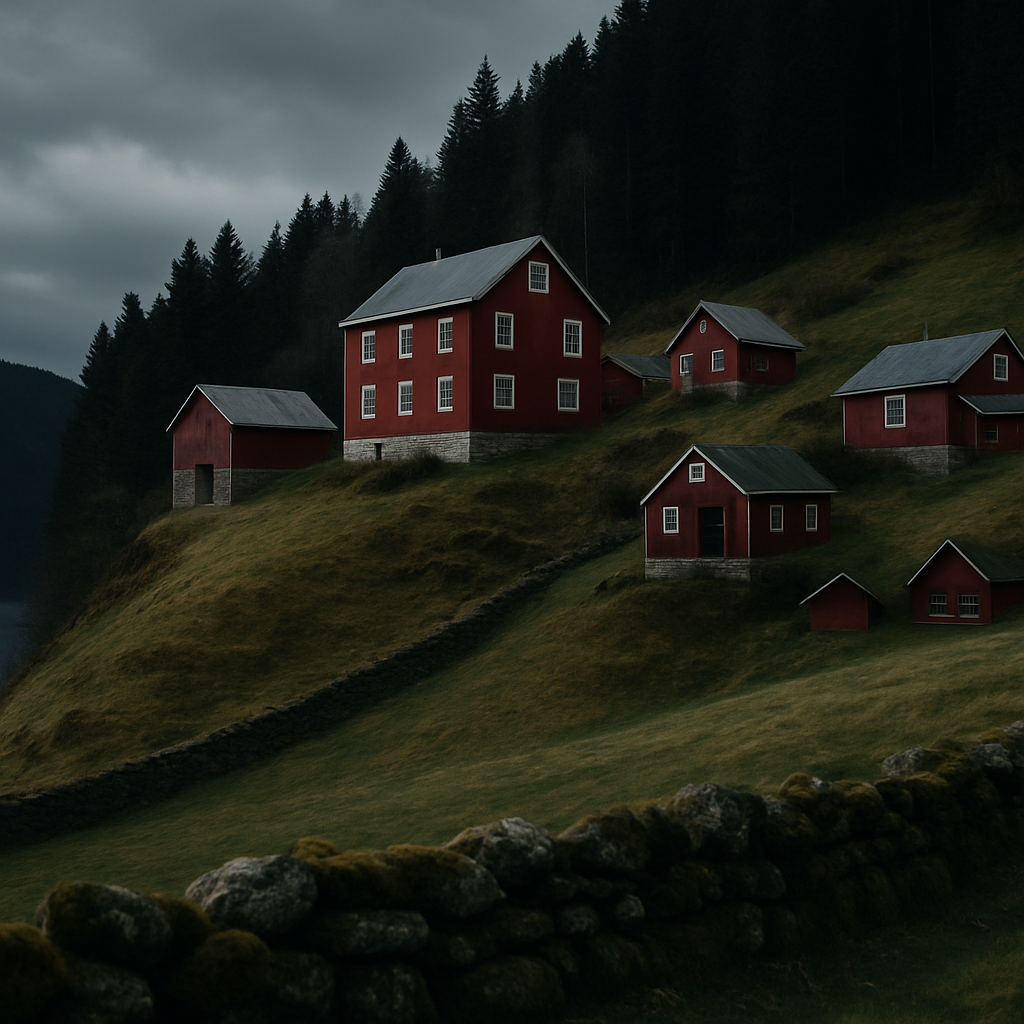
There is a particular kind of silence you find in a Norwegian pine forest in October. The trees are enormous, the light is horizontal and amber, and the wooden farmhouses at the forest’s edge look like they have simply grown there, stained deep red or ochre, utterly at ease with the weather closing in around them. I have stood in places like that and wondered how on earth those buildings look so settled, so permanent, whilst a similar timber structure back home in Britain would be peeling, greying, and quietly rotting within a decade. The answer, it turns out, has been hiding in plain sight for centuries. Scandinavian wood paint and exterior timber protection is not just a product category. It is a philosophy.
Why Nordic Countries Got So Good at Protecting Wood
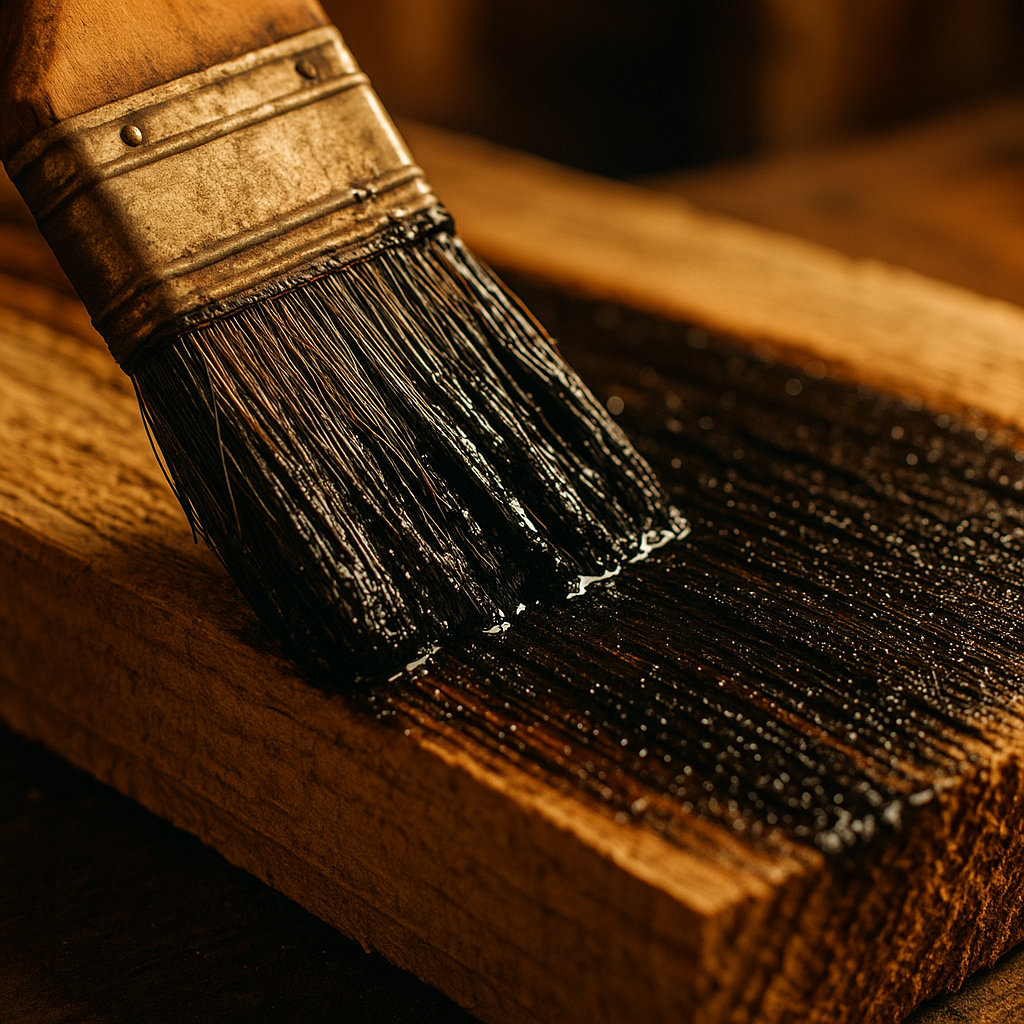
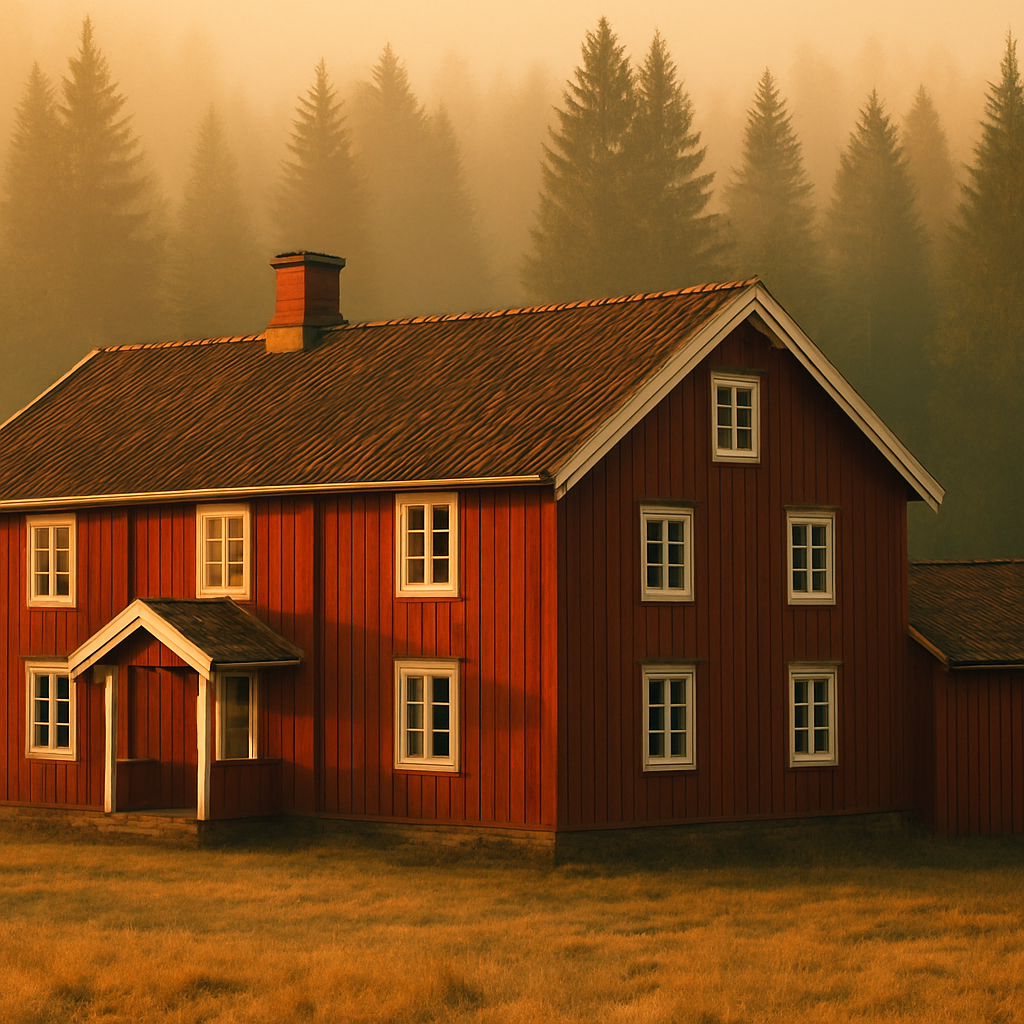
Timber has always been the primary building material across Norway, Sweden, and Finland. The forests are vast, the craft traditions run deep, and the climate is merciless. Winters that drop well below freezing, springs that flood, summers of relentless UV, and autumns of driving damp, Scandinavian timber has faced every punishment nature can devise, and the people who worked with it learned fast. The solution was not to fight the weather but to work with it. Traditional Nordic wood treatments were based on natural oils, linseed derivatives, and iron-rich pigments that penetrated the wood rather than sitting on top of it. The famous Swedish red, known as Falun rödfärg, is a perfect example: a by-product of copper mining in Dalarna that turned out to be one of the most effective timber preservatives ever devised, still in widespread use today. Its iron oxide content is antimicrobial, its oil base feeds into the grain, and the pigment is so deeply saturated that it fades gracefully rather than cracking and flaking.
The contrast with many conventional modern paints is stark. Film-forming paints trap moisture beneath the surface. Once the film cracks, and on exposed exterior timber it always does eventually, water gets in, the wood swells and contracts, and the paint lifts in sheets. Scandinavian wood paint traditions largely avoided this trap by favouring penetrating oils and semi-transparent stains that move with the timber rather than against it. The wood breathes. The treatment weathers honestly. There is something almost respectful about it.
What UK Homeowners Are Starting to Understand About Exterior Timber
Britain’s relationship with timber cladding has had its ups and downs. For much of the twentieth century, rendered brick was the respectable choice for exterior walls, and wood was considered maintenance-heavy and old-fashioned. That perception has shifted considerably. Timber cladding, decking, pergolas, and outdoor joinery are now common features on everything from self-build projects in the Cotswolds to new housing developments in the north of England. The question of how to protect that timber, properly, lastingly, has become genuinely pressing for a lot of people.
The appeal of Scandinavian wood paint for exterior timber in the UK is not hard to understand once you look at it seriously. Products like those inspired by the Osmo and Sikkens Nordic traditions offer wood oil systems that soak into the surface, leaving a finish that can be refreshed without stripping back to bare wood. Brands such as Osmo (German but deeply Nordic in tradition), Rubio Monocoat, and Denmark-derived Gori have built substantial followings among UK builders and homeowners. The Forestry England guidance on sustainable timber use increasingly points towards breathable, low-VOC finishes that extend service life without the need for frequent full repainting, exactly what the Nordic tradition offers.
The Role of Joinery and Woodworking in Getting the Finish Right
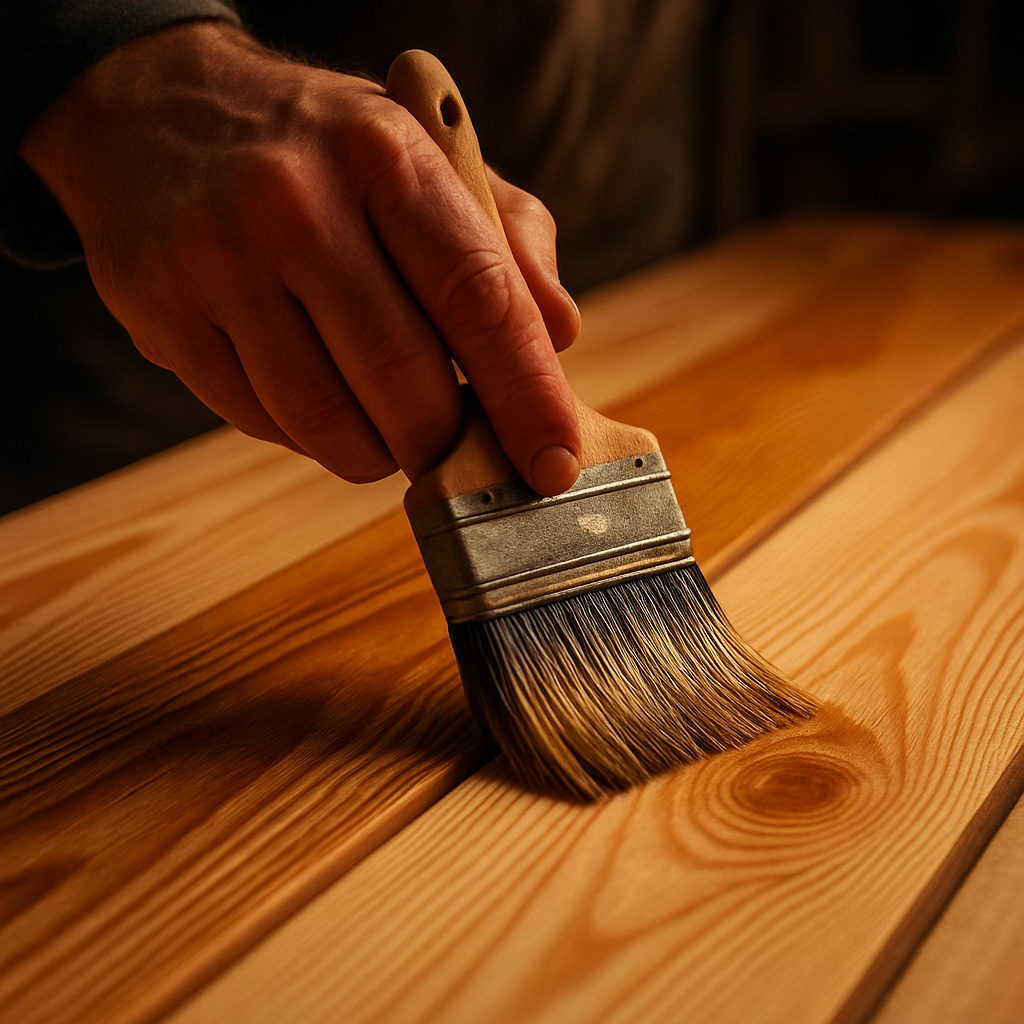
Here is something that often gets overlooked in conversations about exterior timber protection: the quality of the finish depends enormously on the quality of the woodworking beneath it. Scandinavian wood paint works best on timber that has been properly prepared, correctly jointed, and milled to the right profile. Rough saw marks, exposed end grain, and poorly fitted joints are where moisture infiltrates regardless of how good the coating is. In Norway and Sweden, the tradition of careful joinery has always gone hand in hand with the painting tradition. You cannot separate the two.
That understanding is filtering into UK construction, particularly among carpenters and joiners working on high-quality new builds and refurbishment projects. International Woodworking Machinery Ltd, based in Newark, Nottinghamshire and supplying woodworking machinery to UK carpenters, joiners, and construction firms since the early 1970s, has seen growing interest in the machinery needed to produce the precisely profiled and smooth-surfaced timber that accepts Scandinavian-style penetrating finishes well. Their range at iwmachines.co.uk covers the kind of joinery and woodworking equipment that allows builders to control timber preparation from the outset, something that matters enormously when the finish you are applying relies on clean grain and consistent surface texture rather than a thick film to hide imperfections.
The point is simple but easily missed. If you invest in a premium Nordic wood oil system for your exterior cladding or decking and then apply it to timber that has been badly milled or poorly jointed, you are wasting money. Good Scandinavian wood paint for exterior timber in the UK deserves timber that has been treated with the same care as the Norwegians would have given their farmhouse boards centuries ago.
Cladding, Decking, and the Specifics of the British Climate
Britain is not Scandinavia. That sounds obvious, but it matters for product choice. The UK climate is milder in terms of cold, we rarely see the sustained deep freezes of a Swedish January, but we are considerably wetter and more persistently damp. Western Scotland and Wales in particular face moisture levels that even Nordic timber traditions find challenging. This means that whilst pure linseed oil treatments suit dry-cold Scandinavian winters beautifully, UK applications sometimes need modified formulations with additional fungicide protection to prevent mould and algae growth. Several manufacturers now offer hybrid products: the penetrating oil base of Nordic tradition combined with modern biocides suited to the damp Atlantic climate.
For decking specifically, the Scandinavian approach of using a hardwax oil or a modified linseed system has proven far more durable in British conditions than the old habit of applying a thick varnish and hoping for the best. The oils protect without sealing, allow the timber to dry out between wet periods, and can be maintained by a simple clean and re-oil rather than a full strip and repaint. For house building projects using cedar, larch, or Siberian pine cladding, all increasingly popular in UK new builds, the Nordic finishing system is now often specified from the outset.
Choosing the Right Scandinavian Wood Paint for Exterior Timber in the UK
Practically speaking, what should you look for? Penetrating oils rather than film-forming paints for any exposed horizontal surface. Semi-transparent pigmented stains for vertical cladding, where some colour is desirable but breathability matters. A product with a measured VOC content, the Nordic tradition is, by its nature, more natural in composition than conventional gloss paints, and the UK market now has good low-VOC options. Always test on a small section first; different timbers absorb differently, and the oil that turns pine a warm amber may leave oak looking muddy. And pay attention to preparation: clean, dry, smooth timber is not optional.
International Woodworking Machinery Ltd supplies the kind of planing, moulding, and sanding equipment that ensures timber arrives in the right condition for this kind of careful finishing work. For carpenters and house building contractors specifying Scandinavian-style exterior joinery on new construction projects, having the right woodworking machinery in the workshop is part of the same conversation as choosing the right paint system. The two traditions, careful timber preparation and thoughtful natural finishing, belong together, just as they always have on a Norwegian hillside.
What Those Nordic Farmhouses Knew That We Are Still Learning
There is a reason those Scandinavian wooden buildings survive for a hundred and fifty years whilst looking thoroughly at home in their landscapes. It is not magic. It is a combination of choosing the right timber, working it well, and finishing it with something that respects what wood actually is: a living material, even after it has been milled, that wants to move and breathe. Scandinavian wood paint traditions for exterior timber are gaining serious ground in the UK not because they are fashionable, but because they work. And for anyone who has spent enough time outdoors to understand how wood ages in the rain and wind, that is reason enough.
Frequently Asked Questions
What is Scandinavian wood paint and how does it differ from standard exterior paint?
Scandinavian wood paint typically refers to penetrating oil or linseed-based treatments that soak into the timber grain rather than forming a surface film. Unlike conventional exterior paints, they allow the wood to breathe and expand without cracking or peeling, making them particularly well suited to exposed outdoor timber such as cladding and decking.
Is Scandinavian-style wood oil suitable for exterior timber in the UK climate?
Yes, with the right product formulation. The UK’s damp Atlantic climate means some Nordic oil treatments benefit from added fungicide or mould inhibitors compared to their pure Scandinavian counterparts. Several brands now offer hybrid products that combine penetrating oil technology with biocides suited to Britain’s wetter conditions.
How often does exterior timber treated with Scandinavian wood oil need to be maintained?
Most penetrating oil systems require a light clean and re-application every two to four years depending on exposure, timber species, and the product used. The advantage over film-forming paints is that maintenance does not require full stripping; a clean surface and a fresh coat of oil is usually sufficient.
What types of timber work best with Scandinavian-style exterior paint and oil treatments?
Open-grained timbers such as pine, larch, cedar, and Siberian pine absorb penetrating oils particularly well and are the traditional choices in Nordic building. Oak and hardwoods can also be treated but may require specific formulations. The key is clean, dry, smooth timber, poor preparation will undermine even the best Nordic finish.
Where can I buy quality Scandinavian exterior wood paint in the UK?
Brands including Osmo, Rubio Monocoat, Gori, and Sadolin offer Nordic-inspired exterior timber treatments through UK timber merchants, specialist paint stockists, and online retailers. Always check the product’s VOC rating and whether it includes fungicide protection appropriate for the UK climate before purchasing.