
When people ask me what wild really looks like, I do not point to glossy photographs. I point to paths, puddles and footbridges in real places. The best way to understand rewilding is to lace up your boots and visit some accessible rewilding sites where nature recovery is happening in front of your eyes.
What rewilding actually looks like on the ground
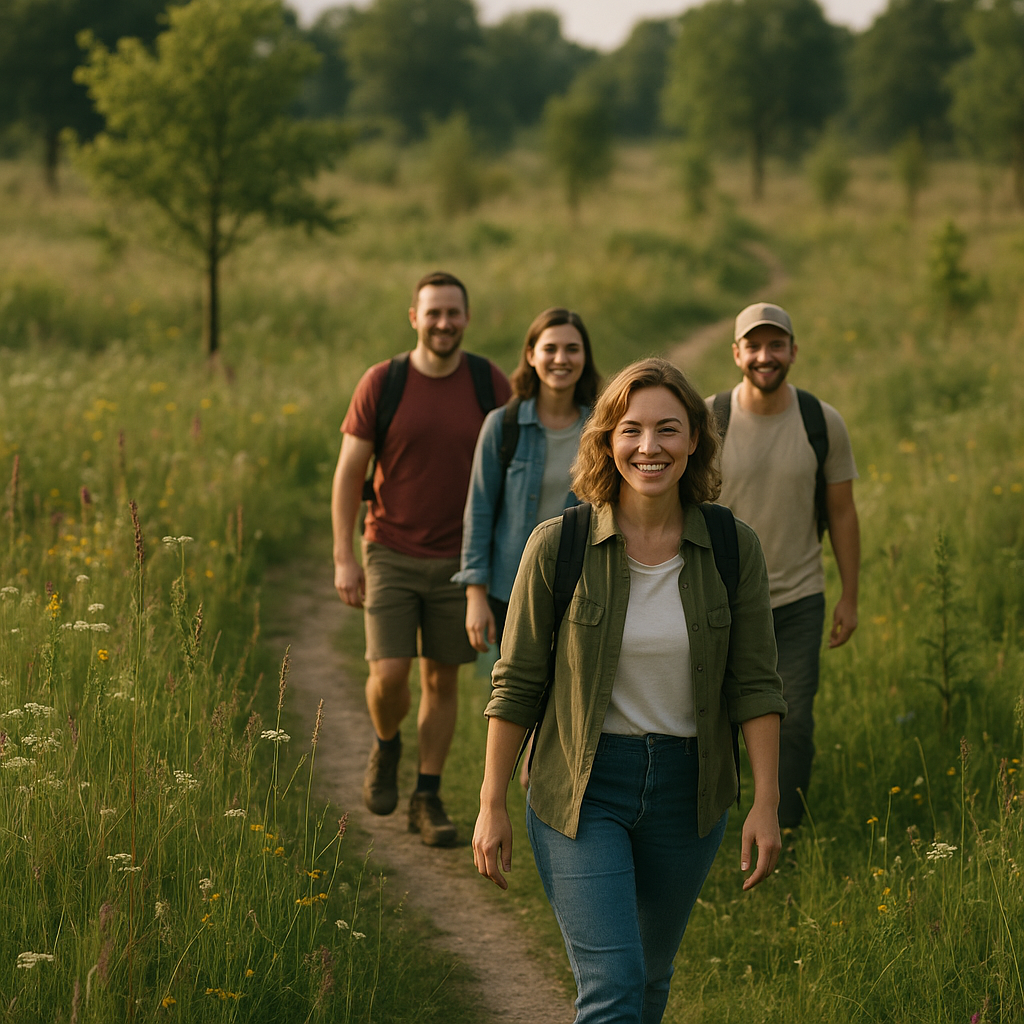
Forget the idea that rewilding means locking the gate and walking away. On the ground it is a careful loosening of our grip. Fields once shaved short by grazing grow shaggier. Brambles creep out from hedges. Dead trees are left standing as insect hotels. Streams are allowed to wriggle rather than run in straight ditches. You will notice more mess, more texture, more life.
Listen as much as you look. Skylarks trilling over rough grass, the soft tapping of a woodpecker, the sudden splash of a frog in a re-wetted hollow. These are the small signs that a place is shifting from tidy production line to living community. Paths are still there, but they may be narrower, weaving between thickets and young trees instead of along bare field edges.
Why accessible rewilding sites matter for climate resilience
These wilder corners are not just pretty. They are quiet workers in the background of our changing climate. When soils are no longer ploughed and compacted, they hold more carbon, locking it away underground. Where streams are reconnected to their floodplains, heavy rain spreads into meadows instead of rushing straight into towns and villages.
Walk through a restored wetland after a storm and you will see water held in pools and hollows, slowed by reeds and willow scrub. That holding and slowing is climate resilience in action. Woods and scrubby slopes shade the ground, keeping it cooler in summer heat. A tangle of roots knits the soil together, reducing erosion when winter storms roll through.
How rewilding boosts biodiversity you can actually see
It is easy to talk about biodiversity as a statistic, but along a footpath it becomes something you can count on your fingers. First, notice the flowers. Where there were once two or three species in a field, there may now be dozens: knapweed, yarrow, bird’s foot trefoil, oxeye daisy, each inviting its own set of insects.
Butterflies are a good measure of success. In a recovering meadow you may see common blues flickering low over the grass, orange skippers darting like sparks, and peacocks basking on thistles. In woodland edges, listen for the scratchy song of warblers that were absent when the trees were young and the understorey bare. Accessible rewilding sites let you watch this recovery season by season, year by year.
Typical paths and facilities at rewilding and nature recovery sites
People often worry that wilder places mean awkward walking. In practice, most projects keep clear routes, and many are designed with families and older walkers in mind. Expect a mix of waymarked circular trails, from short, level loops suitable for an afternoon stroll to longer rambles that climb to viewpoints.
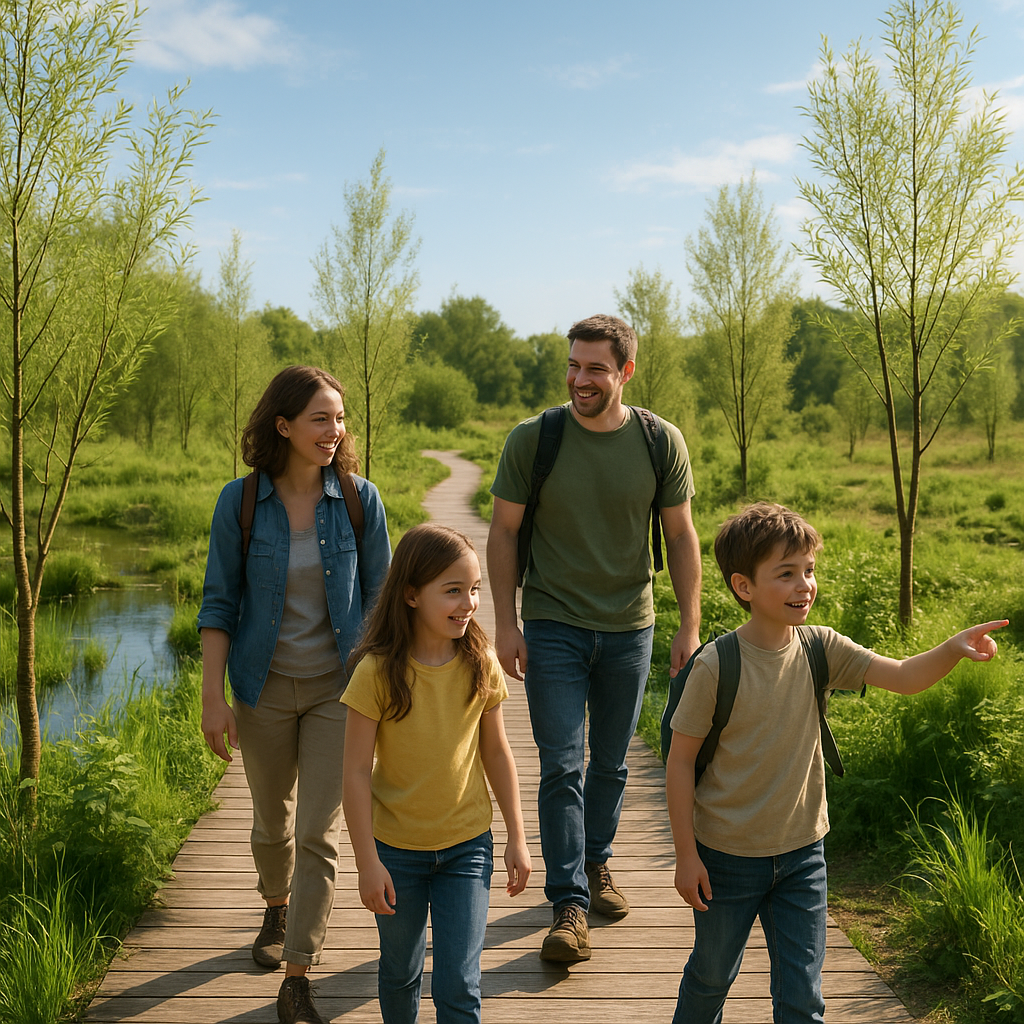
Surfaces vary. Some paths are compacted gravel or boardwalks across wetter areas, making them easier for those with less sure footing. Others are simple grass tracks, a little muddy after rain but perfectly manageable with decent boots. Basic facilities usually include a small car park or lay-by, a map board at the entrance, and sometimes a composting loo or a simple shelter where you can sit out a shower.
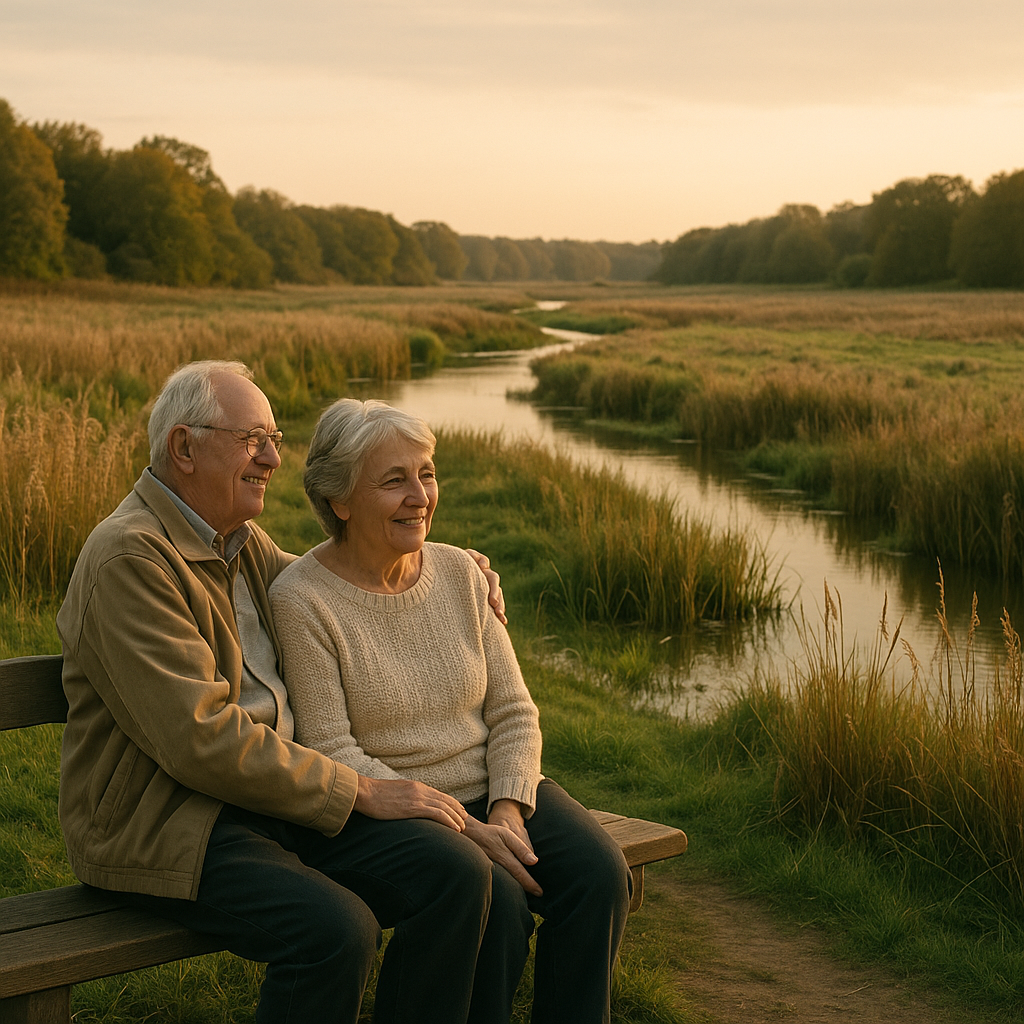
Benches are often placed at the edges of new ponds or on low ridges, where you can rest and take in the changing landscape. Do not expect manicured picnic areas; think instead of a rough-hewn log under an oak, or a flat rock beside a slow, re-wiggled stream.
How to visit rewilding projects responsibly
These landscapes are still finding their balance, so how we behave matters. Stay on marked paths where they exist, particularly in young woodland and wetland where trampling can undo careful work. Keep dogs close and under control; ground-nesting birds and young deer are easily disturbed.
Accessible rewilding sites FAQs
What should I expect when visiting accessible rewilding sites for the first time?
Expect landscapes that look a little untidy compared with traditional farmland or formal parks. Paths are usually clear, but the surrounding vegetation will be longer and more varied, with patches of scrub, wetlands and young trees. You may find simple facilities such as waymarked routes, map boards and the odd bench, but the focus is on giving space to wildlife rather than human convenience.
Are accessible rewilding sites suitable for children and older walkers?
Many projects design at least one short, level route that is suitable for families and older walkers. These might include gravel paths, boardwalks over wetter ground and frequent resting spots. It is wise to check local information before you set out, choose a route that matches your ability, and wear sturdy footwear, as natural surfaces can still be uneven or muddy after rain.
How can I tell if a place is genuinely being rewilded and not just left unmanaged?
In genuine rewilding or nature recovery sites you will usually see signs of intentional work: new tree planting or natural regeneration areas, re-wetted ponds and streams, grazing managed with specific animals, and information boards explaining the aims. The apparent mess has a purpose, with a mix of habitats and a growing diversity of plants and animals, rather than simple neglect where invasive species dominate and access is unsafe or discouraged.