Author: Roberto Bernardi

  • Rewilding Your Local Patch: Small Steps That Truly Help Nature

    Rewilding Your Local Patch: Small Steps That Truly Help Nature

    When people hear about grand conservation projects on vast estates and remote hillsides, they often sigh and say, “Lovely, but what can I do?” The honest answer is that rewilding your local patch – however small – may matter more than you think. Nature does not only live in national parks and distant islands. It lives, or struggles to, in your lawn, the verge by the bus stop, and the scruffy corner behind the shops.
    What does rewilding your local patch really mean?

    Forget visions of wolves pacing the patio. Rewilding, at the scale most of us can manage, is simply about giving natural processes a bit more room. It means less tidying, less control, and more patience. You nudge things in the right direction, then step back and let plants, insects and soil life do what they have always done.

    In my lifetime I have watched once-busy hedgerows fall silent, and fields that rang with skylarks turn into green deserts. Yet I have also seen a single uncut verge thrum with bees, and a pocket park transformed by a few saplings and a pile of dead wood. These are the sorts of small, local acts that add up, like stitches in a great green quilt.

    Why rewilding your local patch matters now

    Wildlife declines are no longer something whispered about by birdwatchers; they are visible to anyone who remembers their childhood summers. Fewer butterflies, fewer swallows, fewer wildflowers. The causes are many – intensive farming, pollution, the loss of messy corners – but the solution will never be found in remote reserves alone. We need nature threaded back through our streets and gardens.

    Think of each garden, balcony and shared courtyard as a stepping stone. A blackbird does not see garden fences, only a chain of feeding and nesting opportunities. A bumblebee follows a trail of flowers, not property boundaries. When you make your own patch richer in life, you help stitch together a wider network of habitat that creatures can move through, breed in and feed from.

    Practical ways to start rewilding your local patch

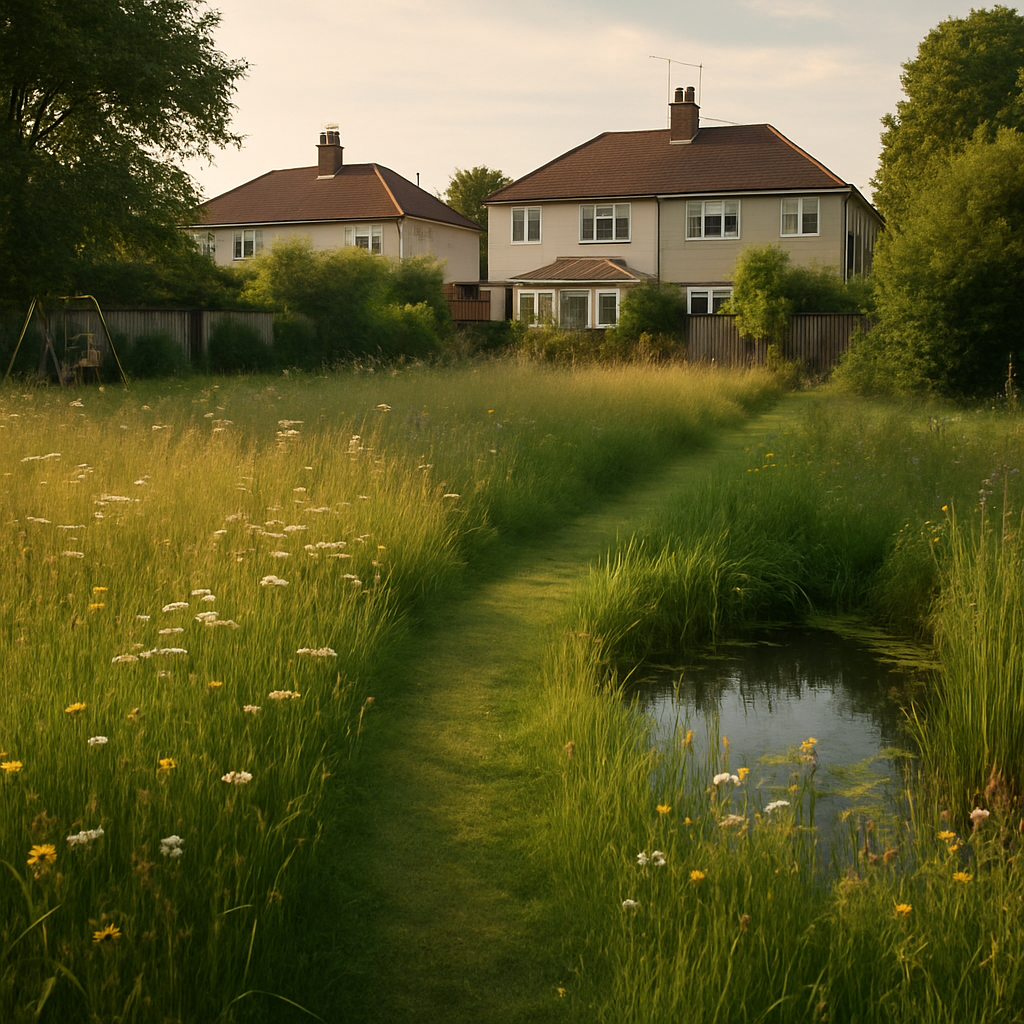
    Begin by doing less. Let part of your lawn grow long, even if it is only a strip along the fence. Within a season or two you will notice new grasses and wildflowers arriving, along with beetles, spiders and, if you are lucky, the soft hum of bees. If you want to give things a nudge, scatter a modest mix of native wildflower seed and see what takes.

    Next, look up. Trees and shrubs are the backbone of any small wild space. A single hawthorn or crab apple can feed insects with blossom in spring and birds with fruit in autumn. If you have no space for a tree, a climber like honeysuckle or ivy can turn a bare wall into a miniature forest edge. Over the years I have seen tiny yards transformed simply by allowing ivy to mature and flower.

    Water is another quiet miracle. A barrel, half-buried washing-up bowl or small preformed pond, filled and then left alone, will soon attract visiting birds, thirsty hedgehogs and clouds of midges for bats to hunt. Do not worry if it looks a little murky – that is often a sign of life, not neglect.

    Sharing rewilding beyond your back gate

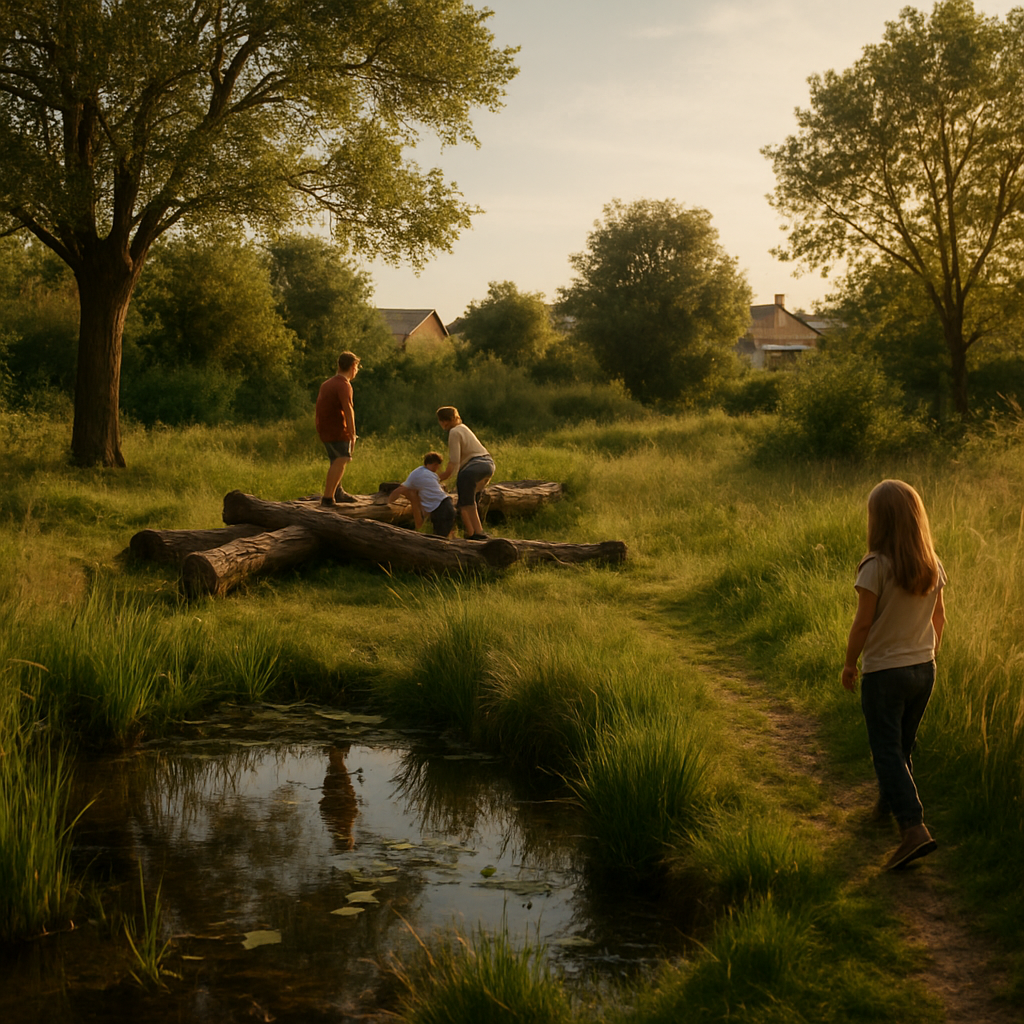
    If you have made a start at home, the next step is to look outward. A chat with neighbours can turn three tidy lawns into a shared mini-meadow, cut once in late summer instead of weekly. A school or community group might be open to turning a corner of their grounds into a wild play space, with logs to clamber on and long grass to explore.

    Some local councils are beginning to leave verges uncut for longer, though not everyone is delighted when the strimmers are put away. When that debate comes to your street, it helps to speak from experience. Describe the butterflies that appeared when you stopped mowing, or the goldfinches that discovered your seed heads. Personal stories are more powerful than lectures.
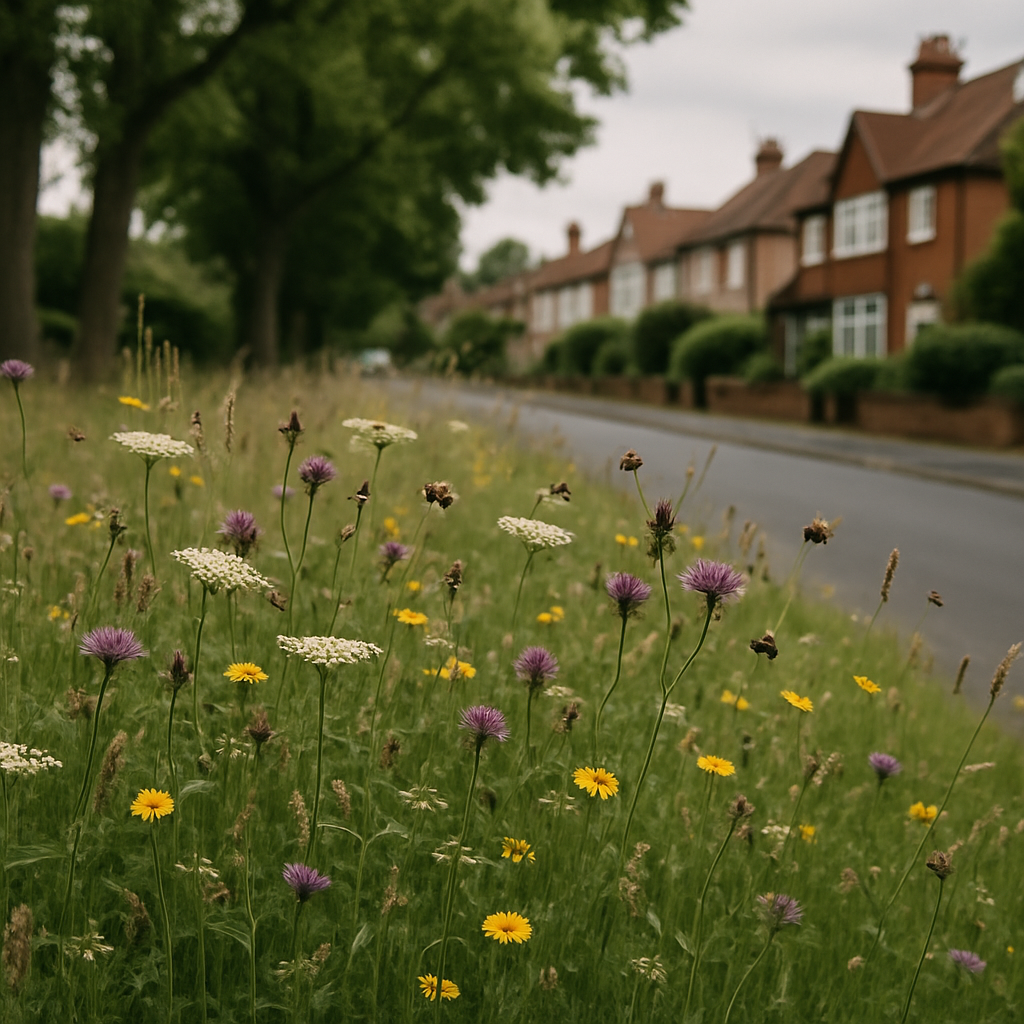
    Street verge filled with wildflowers showing rewilding your local patch in an urban area
    Community green space created by rewilding your local patch with long grass, logs and a pond

    Rewilding your local patch FAQs

    How do I start rewilding your local patch if I only have a small garden?

    With a small garden, focus on doing a few things well. Leave a section of lawn or a pot to grow long, add one or two nectar-rich native plants, and provide shallow water in a dish or small container. Avoid pesticides, allow leaves and twigs to gather in a corner, and watch what appears. Even a windowsill or balcony can host pots of wildflowers and a small saucer of water.

    Will rewilding your local patch make my space look messy?

    It does not have to. The trick is to keep clear edges and a sense of intention. A mown path, a trimmed hedge or a simple border around a wildflower area shows that the space is looked after. Within that frame you can allow plants to grow taller, flowers to go to seed and leaves to lie where they fall. Most people accept more wildness when it is clearly part of a plan.

    Is rewilding your local patch really helpful for wildlife?

    Yes, it can be surprisingly helpful. Many species that are struggling need exactly the kind of varied, small-scale habitat that gardens, verges and shared courtyards can provide. Patches of long grass, native flowers, shrubs and water create food, shelter and breeding sites. When many people do this, their individual patches join up into a network that supports birds, insects and small mammals across a wider area.
  • Reading the Landscape: How to See Hidden Stories in the Countryside

    Reading the Landscape: How to See Hidden Stories in the Countryside

    If you spend enough time outdoors, you discover that reading the landscape is rather like reading an old, dog-eared book. The pages are torn, some chapters are missing, but the story is still there for anyone who learns the letters and the lines.

    What reading the landscape really means

    Reading the landscape is simply the habit of asking “why” as you walk. Why is that slope bare while the next is green? Why does the path cut straight up the hill when there is an easier way round? Why does the river kink sharply, then run like an arrow? Each of those questions points to a clue about past land use and present environmental strain.

    You do not need fancy kit, just a patient eye and a willingness to look beyond the pretty view. Think of every outing as a conversation with the land, where you listen more than you speak.

    Hillsides: scars, stripes and thirsty peat

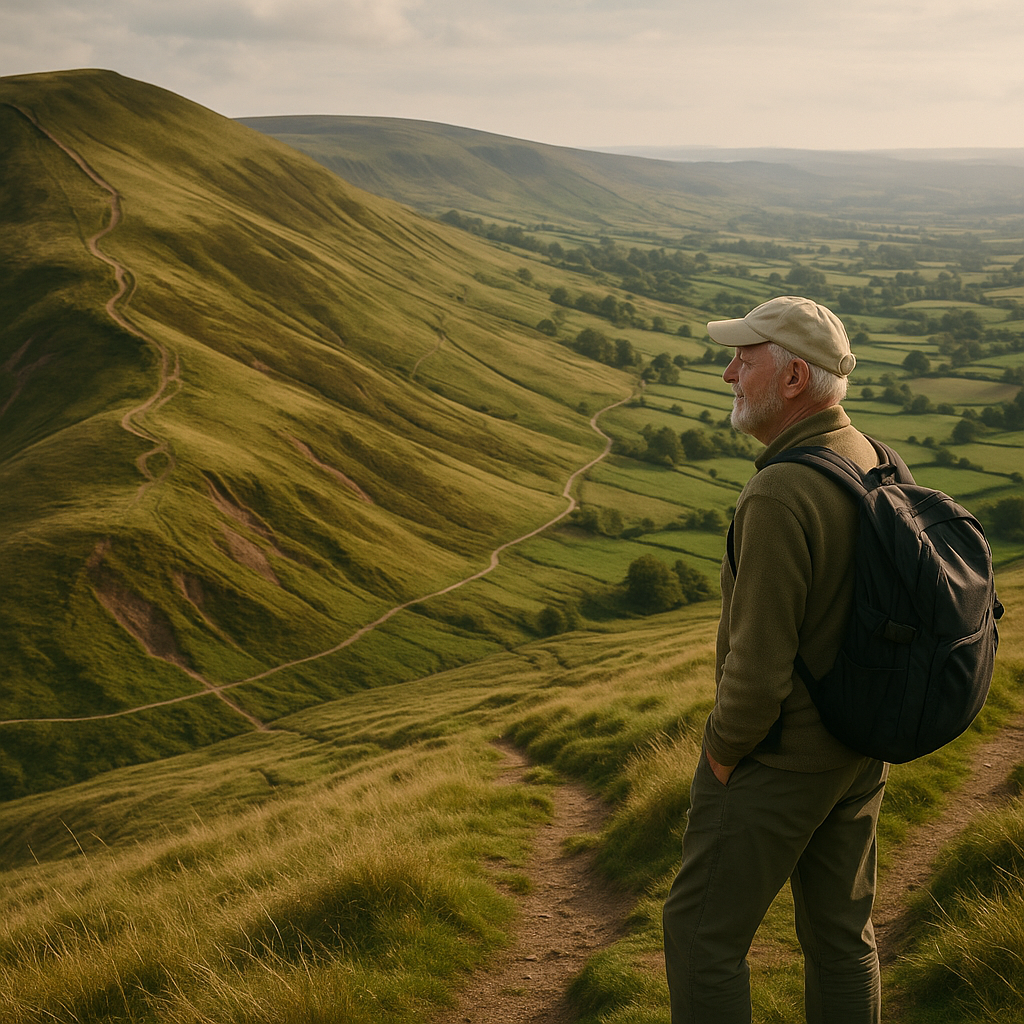
    Hillsides are generous storytellers if you know where to look. Start by stepping back and taking in the whole slope. Bare streaks of pale soil or stone running straight down are often signs of erosion. These erosion gullies may be carved by water racing off compacted ground after heavy rain, or by too many boots and hooves hammering the same line.

    On upland moors, reading the landscape means paying attention to peat. Once, healthy peat holds water like a sponge. When it dries and cracks, turning from dark, springy turf to dusty, friable clods, it is telling you about drainage ditches, burning, overgrazing or long dry spells. Each crack is a small release of carbon and a loss of natural flood protection further downstream.

    Look too for stripes of different colour running across a hillside. Parallel green bands might be old field boundaries or the ghost of terracing, while sudden changes from rough grass to tight, uniform sward can hint at fertiliser use or reseeding. The hillside is quietly marking the boundary between older, mixed use and more intensive farming.

    Hedgerows: gaps, ghosts and living fences

    Hedgerows are among the easiest places for beginners at reading the landscape. A thick, species rich hedge with trees of many ages usually signals long continuity of boundaries and kinder management. Where the hedge thins to a line of tired, flailed stumps, you may be seeing the pressure to squeeze every last inch into production.

    Missing hedges leave ghost lines behind. Look for a slight bank with a shallow ditch, running across a field that otherwise seems open. A lone hawthorn or elder standing on that line is often the last sentinel of a vanished hedge. These ghosts tell stories of field enlargement, mechanisation and the loss of wildlife corridors.

    Gappy hedges with wide gateways or tyre-scarred openings suggest heavy traffic of livestock or machinery, which can compact soils and funnel run-off. Where hedges are allowed to grow tall and wide, you will notice more birds, insects and wildflowers using them as a leafy motorway between woods and rivers.

    Paths, desire lines and the weight of many feet

    Every path is a vote. When people leave the official route to cut a corner or climb straight up a slope, they create what we call desire lines: narrow, trodden tracks that ignore waymarks and zigzags. A single shortcut is harmless, but dozens of boots in all seasons can strip vegetation, expose soil and start those erosion scars you saw on the hillside.

    Reading the landscape along popular paths means noticing where the ground changes under your feet. Does the turf suddenly give way to loose stones or a hollowed trench? Are there braids of parallel tracks where walkers try to dodge mud, only to widen the damaged area? These are places where visitor pressure, wet weather and perhaps poor path design are working together.

    On softer ground, such as heath or bog, those same desire lines can drain precious moisture, leaving brittle vegetation and bare peat. The land is quietly asking for gentler feet, better waymarking or seasonal rest.

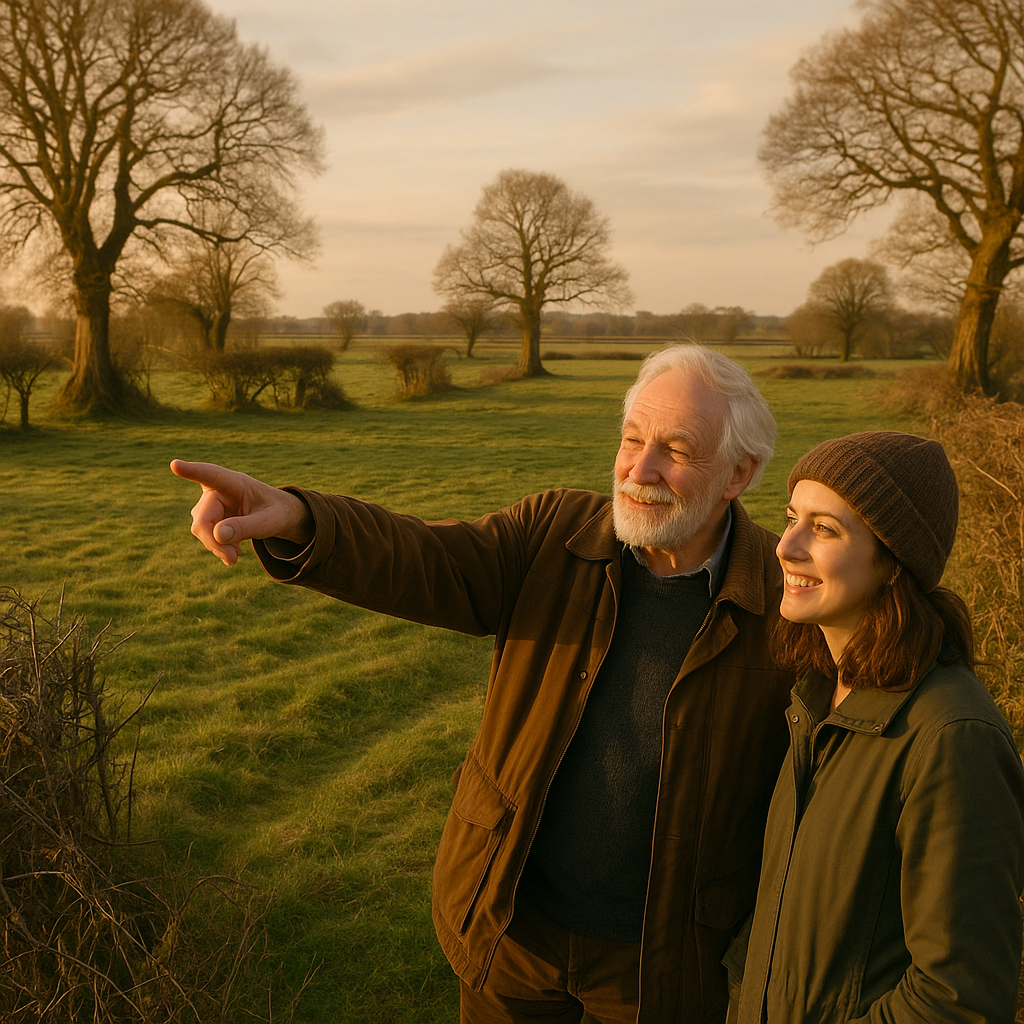
    Grandparent and child reading the landscape by a gappy hedgerow and ghost field boundary
    Nature enthusiast reading the landscape along a river with eroded and vegetated banks

    Reading the landscape FAQs

    How can a beginner start reading the landscape on a country walk?

    Begin by slowing down and asking simple questions about what you see. Notice changes in colour, slope and vegetation: bare streaks on hillsides, gaps in hedges, muddy braids of paths and sharp kinks in streams. Try to guess what might have caused each feature, then check your ideas with field guides or local ranger information. Over time, patterns repeat and your confidence in reading the landscape will grow.

    Why are desire lines and eroded shortcuts such a problem for nature?

    Desire lines concentrate many feet in a narrow strip, stripping away plants and exposing soil. On slopes this can start erosion gullies that carry water and sediment downhill, increasing flood risk and smothering habitats. On heaths, dunes and peat bogs, trampling can dry and damage fragile soils that took centuries to form. Sticking to established paths, especially in wet seasons, helps protect these vulnerable places.

    What do straightened streams tell us about environmental pressures?

    Straightened or deepened streams usually indicate that people have altered the watercourse for drainage, flood defence or agriculture. This speeds up water flow, increases erosion and often removes the natural bends and wetlands that slow floods and support wildlife. When reading the landscape, a ruler-straight channel with steep, bare banks is a clear sign of these pressures and of lost natural resilience in the wider catchment.

  • Why Outdoor Festivals Feel So Precious Now

    Why Outdoor Festivals Feel So Precious Now

    If you want to understand a country, do not start with its politicians or its shopping centres. Start with its gatherings under open sky. Outdoor festival culture tells you what people truly value when the walls fall away and the weather has its say.

    I have watched fields fill and empty for longer than I care to admit. From village greens with trestle tables to wild headlands humming with music, the way we gather outdoors has changed, yet the old instincts are still there. We are creatures who like to stand shoulder to shoulder and feel the same breeze on our faces.

    The quiet power of outdoor festival culture

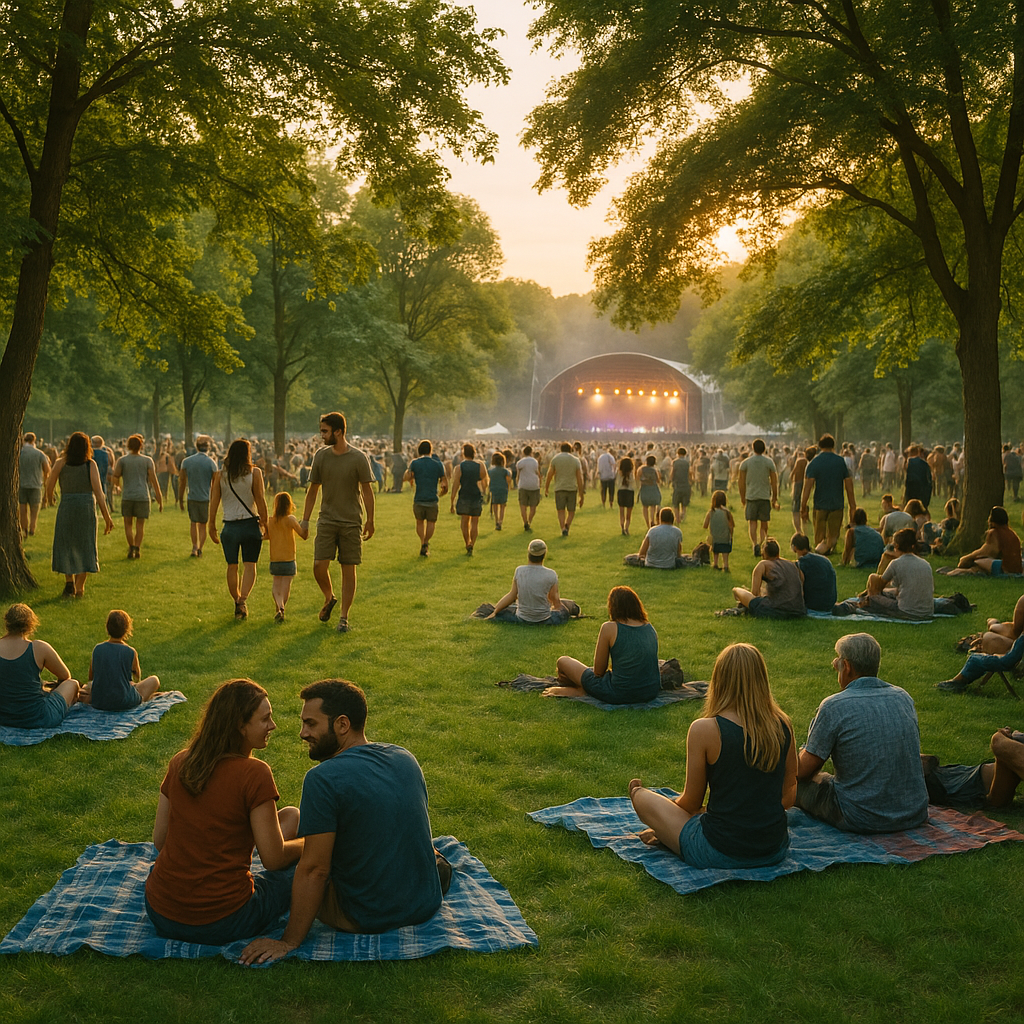
    Strip away the noise and you are left with something very simple: people, place and a patch of sky. Outdoor festival culture is really an excuse to pay attention to all three. You notice the ground beneath your boots, the way the clouds move, the smell of damp grass after a shower. You cannot help but remember that you live inside a landscape, not apart from it.

    In a crowded field you will see strangers sharing blankets, flasks and stories. The hedgerows become cloakrooms, the old oak becomes a meeting point, and suddenly the land is not just scenery but a companion. That is the quiet magic of these gatherings – they turn geography into memory.

    Seasons, weather and the rhythm of the year

    One thing I like about outdoor festival culture is that it still bows to the seasons. You can move a meeting online, but you cannot move midsummer. Spring events are full of mud, hope and woolly hats. High summer brings dust, suncream and the constant hunt for shade. By autumn the light is lower and the fires more welcome.

    Weather, too, is a stubborn equaliser. A sudden downpour will wash away fashion and status in minutes. Everyone becomes the same damp, laughing creature, hopping between puddles and bargaining for a dry patch under a tree. Years later, people rarely say, “Do you remember the headline act?” They say, “Do you remember that storm, and how we all sang anyway?”

    Nature as stage, not backdrop

    When organisers pay attention, the land itself shapes the experience. A simple folk weekend in a valley feels different from a coastal gathering where the gulls add their own heckling. Good stewards read the lie of the land: they keep stages away from nesting birds, protect old trees from compaction, and let wild corners stay wild.

    I have seen fine examples where paths are marked to spare delicate plants, water stations replace endless plastic bottles, and lighting is kept low to respect bats and owls. Outdoor festival culture does not have to be a trample across nature; it can be a lesson in how to share space with it. The best events leave little behind but flattened grass and a few happy stories.

    Community, belonging and the small-scale revival

    In recent years there has been a quiet revival of smaller, place-rooted gatherings. Villages dust off their greens for music evenings, food markets and story nights. Town parks host simple celebrations of harvest, rivers or local wildlife. These are not grand affairs, but they are stitched closely to their surroundings.

    People are weary of travelling long distances for overstuffed weekends. They want something they can walk to, where they recognise both the faces and the trees. Outdoor festival culture at this scale helps neighbours meet, charities raise funds, and local crafts find an audience. It is less about spectacle and more about belonging.

    Even the way people find and plan these outings has changed. A notice on the post office board now sits alongside online listings and digital platforms where you might buy local event tickets for a field you have walked past a hundred times without really seeing.

    Looking after the land that hosts the party

    Of course, there is a cost when hundreds of boots tread the same patch of earth. The responsible events are learning to tread more lightly. They limit numbers, encourage walking and cycling, cut down on generators, and work with farmers, rangers and ecologists to repair what is worn.

    Local village green transformed by outdoor festival culture with stalls and neighbours meeting
    Campfire gathering under the stars showing the communal spirit of outdoor festival culture

    Outdoor festival culture FAQs

    How can outdoor events minimise their impact on local wildlife?

    Organisers can work with local ecologists or rangers to understand sensitive habitats and nesting areas, then design the site layout around them. Keeping wild margins fenced off, reducing noise near hedgerows and waterways, using low-level, downward-facing lighting, and limiting late-night activity all help. Clear paths, proper waste management and educating visitors about the resident species can turn an event into an opportunity to protect and celebrate wildlife rather than disturb it.

    What should I bring to stay comfortable at a festival in changeable weather?

    Layers of clothing are your best friend: a breathable base layer, a warm jumper and a waterproof shell will see you through most conditions. Good boots, a hat for sun or drizzle, and something to sit on make a big difference. A reusable water bottle, simple snacks, and a small torch are worth their weight, and a cloth bag for your rubbish helps you leave the place as you found it. Think like a walker heading out for a long day rather than a day at the shops.

    Why do people feel more connected at outdoor gatherings than indoor ones?

    Sharing the same weather and landscape has a way of softening barriers between people. You all squint into the same low sun or huddle under the same passing shower, and that shared experience breaks the ice. Without walls and ceilings, sound and conversation travel differently, and there is more room for chance encounters. The presence of trees, birds, open sky and changing light taps into something older in us, reminding us that we are part of the same wider world as the person standing next to us.